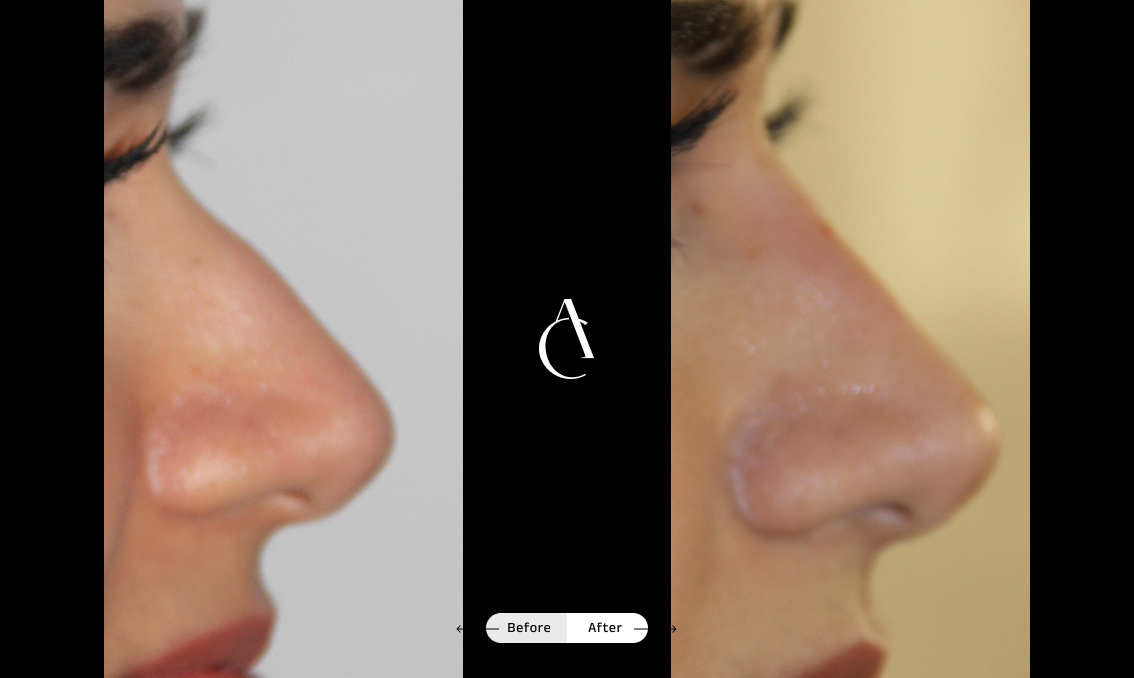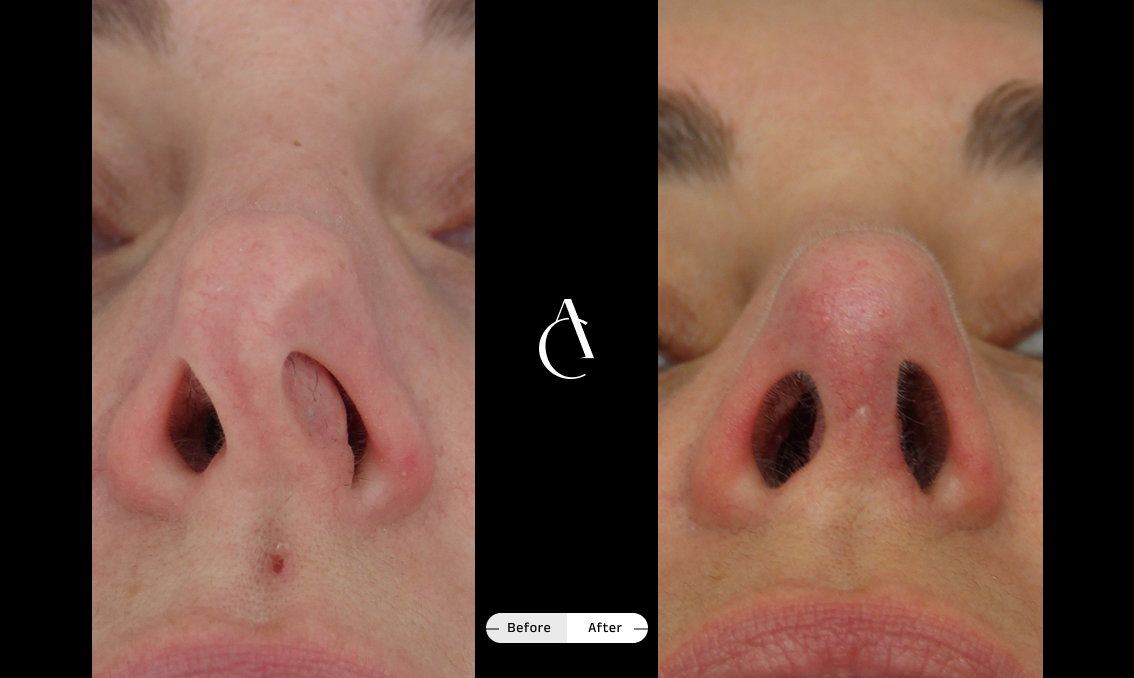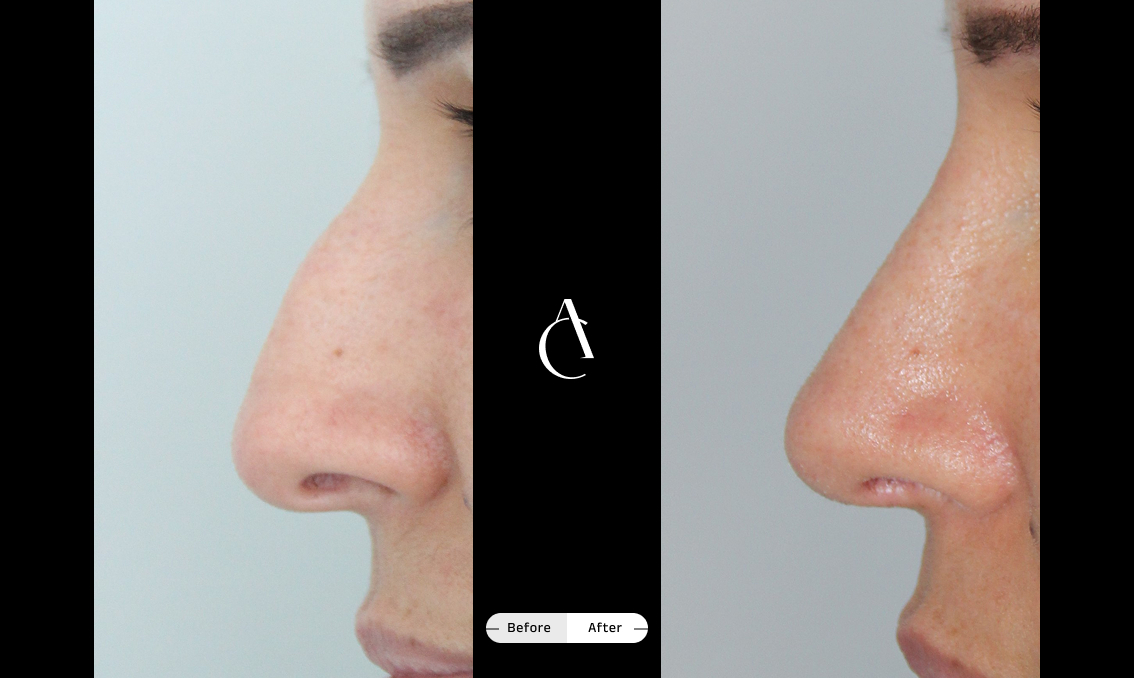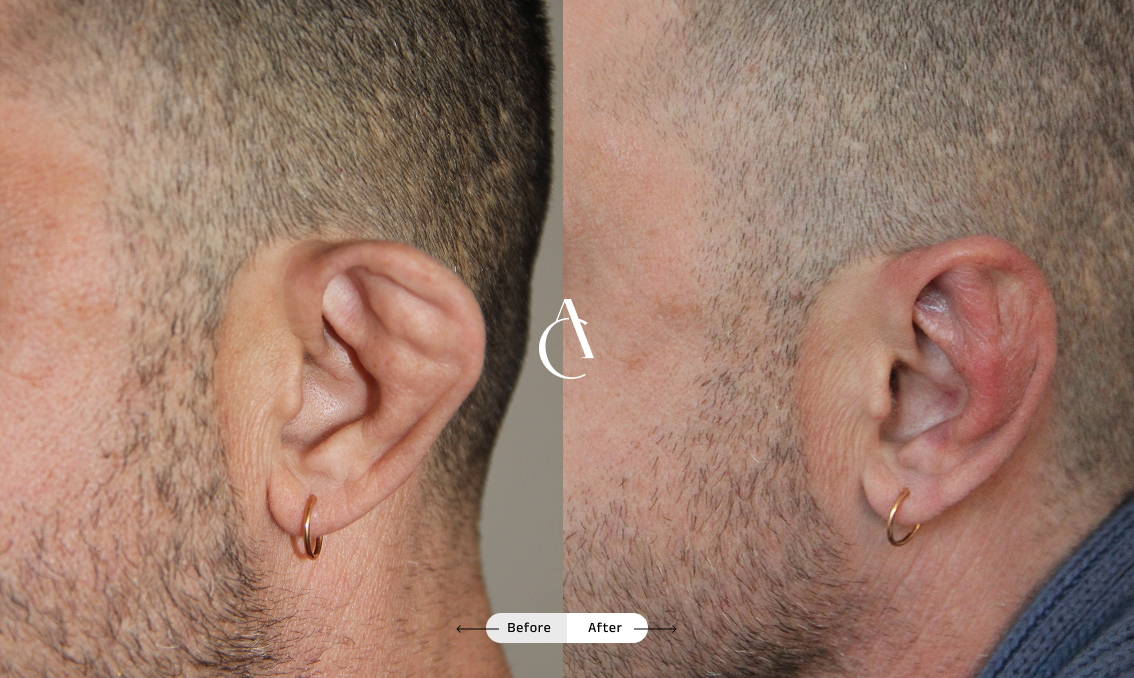
Here’s what actually happens during the operation, and how specific changes are achieved.
How does rhinoplasty work?
Your nose is built on a framework of bone at the top, cartilage lower down and at the tip, and the septum, the wall that divides the two sides, all covered by soft tissue and skin. Rhinoplasty changes the appearance and/or function of the nose by modifying this framework and the way the skin settles over it.
- Depending on what your nose needs, the surgeon may:
- Remove a small amount of bone or cartilage.
- Reshape existing structures.
- Reposition bone or cartilage.
- Add structural support.
- Use cartilage grafts.
- Refine the nasal tip.
- Correct an obstruction that affects breathing.
- Every operation is planned individually. There isn’t one identical set of steps that applies to every patient.
How is rhinoplasty performed step by step?
Step 1: Anaesthesia
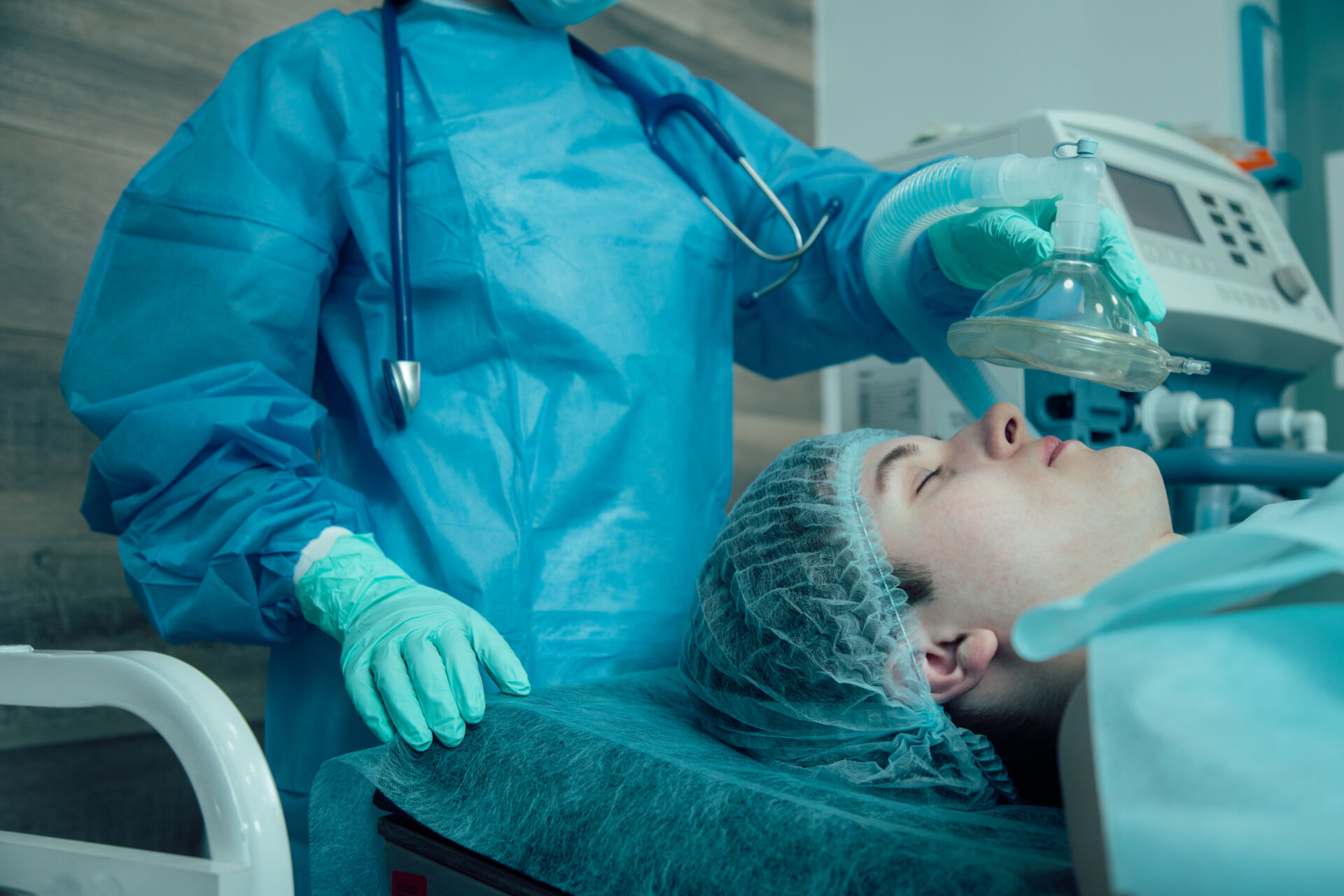
Most rhinoplasties are performed under general anaesthesia, so you’re fully asleep throughout. Some smaller procedures can be carried out under local anaesthesia with sedation. The right option depends on the extent of the surgery and your health. Our article on whether you can have rhinoplasty with local anaesthesia explains when that’s possible.
Step 2: The surgeon makes the incisions
There are two main approaches. In a closed rhinoplasty, the incisions are made inside the nostrils. In an open rhinoplasty, the surgeon makes the same internal incisions plus a small incision across the columella, the strip of skin between the nostrils. The choice depends on your anatomy, the complexity of the surgery and the work required. You can read more in our article on what closed rhinoplasty surgery is.
Step 3: The nasal structures are accessed
Through these incisions, the surgeon gently separates the skin and soft tissue from the underlying framework to reach the cartilage, the nasal bones and the septum. In an open approach, the skin is lifted so the structures can be seen directly; in a closed approach, the surgeon works through the nostrils.
Step 4: Bone and cartilage are reshaped
This is where the structural change happens. Depending on the surgical plan, the surgeon may reduce, reshape, reposition, reinforce or rebuild different parts of the nose.
Modern rhinoplasty isn’t simply about taking tissue away. Removing too much can weaken the nose and affect both its appearance and breathing over time. Many surgeons now aim to preserve as much of the natural structure as possible, and to add support where it’s needed, so the result stays stable and natural for years to come.
Step 5: Functional problems may be corrected
Where needed, the surgeon can also correct structures that contribute to difficulty breathing through the nose, such as a deviated septum or weak or narrow nasal valves. It’s worth being clear that a purely cosmetic rhinoplasty doesn’t automatically improve breathing. Functional problems need to be diagnosed and specifically addressed. For more on this, see functional rhinoplasty vs septoplasty, can rhinoplasty help a deviated septum and our article on nasal obstruction surgery.
Step 6: The incisions are closed
Once the planned changes are complete, the skin and soft tissue are redraped over the new framework and the incisions are closed. Depending on the operation, you may have stitches, an external splint, tape and dressings, and sometimes internal splints or support. Read more in our articles on rhinoplasty stitches and how long you keep bandages on after rhinoplasty.
How does rhinoplasty make your nose smaller?
Making a nose look smaller rarely means simply cutting away large amounts of tissue. Depending on your anatomy, the surgeon may adjust the height of the bridge, how far the nose projects from the face, its width, the projection of the tip, or the proportions of the nostrils and base.
Often, small changes in several areas make a bigger difference than a large change in one. Throughout, the surgeon needs to keep enough structural support so the nose stays strong and you can breathe well.

How is a bump on the nose removed during rhinoplasty?
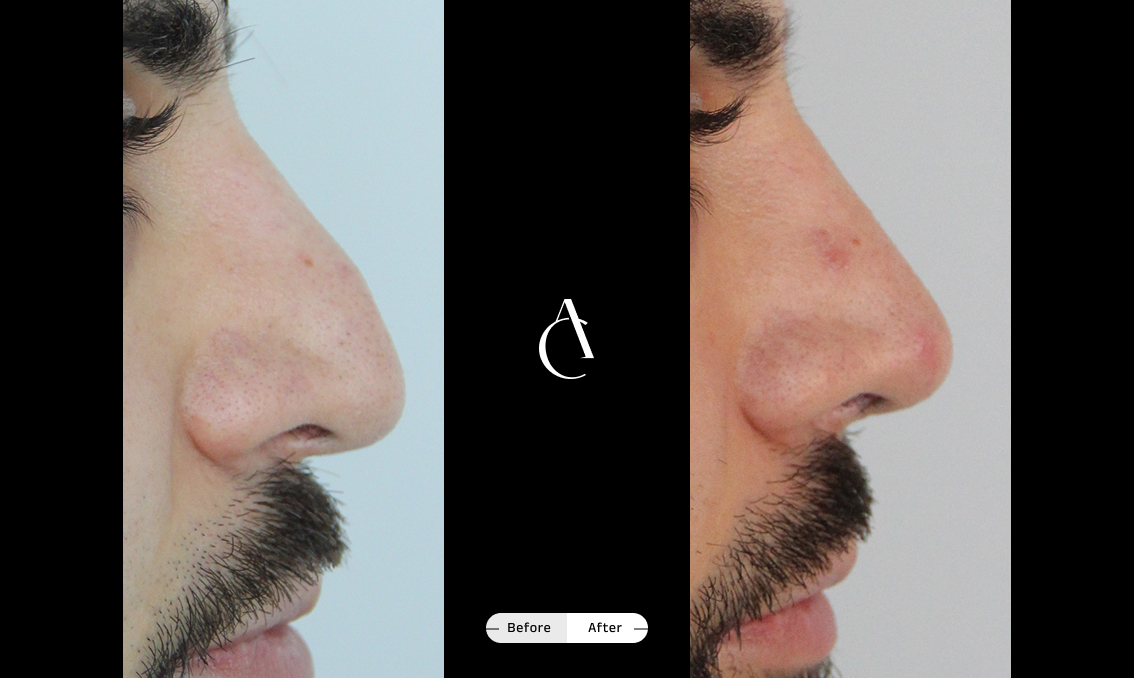
A bump on the bridge, known as a dorsal hump, is usually made up of both bone and cartilage. Depending on its size and the technique used, the surgeon may reduce the bone and cartilage that form the hump and then refine and rebuild the bridge so it’s smooth and well supported. In some cases, preservation techniques allow the bridge to be lowered while keeping its natural surface intact.
It’s more involved than “shaving the bone down”. Removing the hump can leave the top of the nose open or flat, so the surgeon then needs to restore its shape and support carefully.
How is the nasal tip reshaped?
The tip of the nose is supported mainly by cartilage, so most tip changes involve working with these cartilages. Depending on the result you want, the surgeon may reshape the existing cartilage, reposition it, use sutures to refine and support the shape, trim small amounts of cartilage where appropriate, or add grafts for extra support or definition.
Tip work is among the most individual parts of rhinoplasty, because the right technique depends on the strength of your cartilage, the thickness of your skin and the shape you’re aiming for.
How is a wide nose narrowed?
A “wide nose” can mean different things. The width might come from the nasal bones at the bridge, from the tip, or from the nostrils and base of the nose. Each needs a different technique. A wide bony bridge may be narrowed by carefully repositioning the nasal bones, a broad tip by refining the tip cartilages, and wide nostrils by adjusting the base of the nose. That’s why a proper assessment of where the width comes from matters more than any single “narrowing” technique.
How are the nostrils changed during rhinoplasty?
The appearance of your nostrils is influenced by the position and projection of the tip, the shape of the alae (the curved sides of the nostrils) and the width of the nasal base. Sometimes refining the tip is enough to change how the nostrils look. In other cases, the surgeon may need to work directly on the base of the nose. Our article on how you make your nostrils smaller explains the options in more detail.
How is a crooked nose straightened?
A crooked nose can come from the nasal bones, the cartilage, the septum, or a combination of these. Correcting it may involve repositioning the bones, straightening or reinforcing the septum and supporting the cartilage so the nose stays straight as it heals. This is where cosmetic and functional goals often overlap, because a crooked septum frequently affects breathing too.
A significant improvement is often possible, but perfect mathematical symmetry can’t always be achieved. Very few faces are perfectly symmetrical to begin with.
Where does cartilage for rhinoplasty come from?
When extra structural support is needed, the surgeon may use cartilage grafts. Depending on the operation, the cartilage may come from your septum, your ear or, less commonly, your rib. Septal cartilage is often the first choice when enough is available. Rib cartilage may be needed when a larger amount is required, for example in some revision cases.
Not every rhinoplasty needs grafts. When they are used, it’s usually to provide support, rebuild structure, refine contours or improve breathing. If you’re curious about how stable these structures are after surgery, read can cartilage move after rhinoplasty.
Do they break your nose during rhinoplasty?
This is one of the most common questions, and “breaking the nose” is a misleading description. In some rhinoplasties, the surgeon makes small, precise, controlled cuts in the nasal bones, called osteotomies, so the bones can be repositioned, for example to narrow a wide bridge or close the gap after a hump has been removed.
These are carefully planned surgical steps, not an uncontrolled break. And not every rhinoplasty requires them; some procedures don’t involve the bones at all.
What is the difference between open and closed rhinoplasty?
In closed rhinoplasty, all incisions are inside the nostrils. In open rhinoplasty, there’s also a small incision across the columella, which gives the surgeon a direct view of the nasal structures. Neither is better for everyone. The choice depends on your anatomy and what needs to be done. For a full comparison, read what is closed rhinoplasty surgery.
How long does rhinoplasty surgery take?
The length of the operation depends on its complexity, whether it’s a first or a revision procedure, whether functional work is included, whether grafts are needed and which approach is used. Our article on how long rhinoplasty surgery takes goes into this in detail.
What happens immediately after rhinoplasty?
When you wake up, you’ll usually have a splint and tape on your nose. You can expect some swelling, a blocked or congested feeling, possibly bruising around the eyes, and stitches depending on the technique used. Most patients go home the same day or the next day.
From there, recovery begins. Our guides on the recovery time for a rhinoplasty, how long swelling lasts after rhinoplasty, how long bruising lasts after rhinoplasty and rhinoplasty stitches explain what the following weeks look like.
When can you see the result of rhinoplasty?
Although the structural changes are made during surgery, you won’t see the final result straight away. Swelling hides the new shape at first, and the tissues need time to heal and settle. You’ll see a recognisable change once the splint comes off, but the final refinement, especially at the tip, can take many months, often around a year.
For more on what to expect, read how long swelling lasts after rhinoplasty, how long rhinoplasty lasts and whether it is permanent, and does a nose job change your face.
Is every rhinoplasty performed the same way?
No. The surgical plan depends on your nasal anatomy, your skin and tissue characteristics, your aesthetic goals, your breathing, any previous surgery, how much cartilage and support is available and how much structural correction is needed.
This is the key point to understand about rhinoplasty: it isn’t one standard operation, but a procedure planned around one specific nose, and one specific face.
Frequently asked questions about how rhinoplasty works
Is bone removed during rhinoplasty?
Sometimes. Bone may be reduced or repositioned, particularly when a hump is removed or a wide bridge is narrowed, but it depends on your anatomy and goals.
Is cartilage removed during rhinoplasty?
Cartilage may be reshaped, repositioned, reduced or added to, depending on the procedure. Modern techniques try to preserve as much support as possible.
Do they break your nose during a nose job?
Not in the way the phrase suggests. Some rhinoplasties involve controlled cuts in the nasal bones, called osteotomies, so they can be repositioned precisely.
Does rhinoplasty involve stitches?
Usually, yes. Internal incisions are typically closed with dissolvable stitches, and an open rhinoplasty also has a few small stitches on the columella. See our article on rhinoplasty stitches.
Can rhinoplasty change your breathing?
It can improve breathing when the structures causing the problem are specifically addressed. A purely cosmetic rhinoplasty doesn’t automatically improve breathing.
Can rhinoplasty make your nose smaller?
Yes, rhinoplasty can reduce certain dimensions and proportions of the nose. How this is done depends on your anatomy and the surgical plan.
Book a consultation with Dr. Cuno
Every rhinoplasty needs its own surgical plan. During your consultation, Dr. Cuno can assess your nasal anatomy, discuss your aesthetic and functional goals and explain which surgical approach and techniques are most appropriate for you.
Get in touch via the contact page to arrange a consultation at Dr. Cuno’s clinic in Geneva.