
To help you understand what to expect, this article explains the process and the rough timings for your bandages being removed.
Why are bandages and nose taping used after rhinoplasty?
Your nose is very delicate in the days and weeks immediately after your surgery, so the main reason for the use of bandages and taping is to protect and support it while it recovers. Bandages protect incisions from potential sources of infection, at the same time as providing compression to help reduce swellings.
You’ll have a small external splint placed over your nose after your procedure. As well as protecting your nose from accidental bumps, this is designed to provide compression, which helps minimise swelling. It’s also there to keep the bone and cartilage held in place while they start heeling, which in turn helps to support the new shape of your nose.
Depending on the type of surgery you’ve had and the reason for it, you may have an internal splint or soft internal packing. The idea of this is to stabilise the septum of your nose, as well as supporting easier airflow during the healing process.
Once any splints are removed, you may have nose taping applied. This helps prevent fluid build-up, keeping swelling under control – particularly at the tip of your nose – at the same time as supporting the soft tissues as they settle into their new contours.
How long do you have to wear bandages after rhinoplasty?
Most of Dr. Cuno’s patients will need to wear their external bandage or nasal splint for 5 to 7 days after rhinoplasty.
This timing can vary depending on the complexity of your surgery, such as whether it was open or closed surgery, primary or revision rhinoplasty and whether or not any structural revision took place (such as a septoplasty). The thickness of your skin can make a difference, too, as can your body’s own ability to heal – your surgeon will assess how well your nose is healing in the first week before deciding when your bandages are ready to come off.
It’s slightly different for any internal bandages used – these are usually taken out within 1 to 3 days.
What happens during rhinoplasty bandage removal?
Bandage and splint removal after rhinoplasty surgery is nothing to worry about – it’s a simple, gentle and painless process that many patients describe as feeling relieving.
It involves carefully moistening the adhesive on the bandage to avoid pulling the delicate healing skin and tissues. The external splint and tape will be slowly lifted away, revealing the initial new shape of your nose.
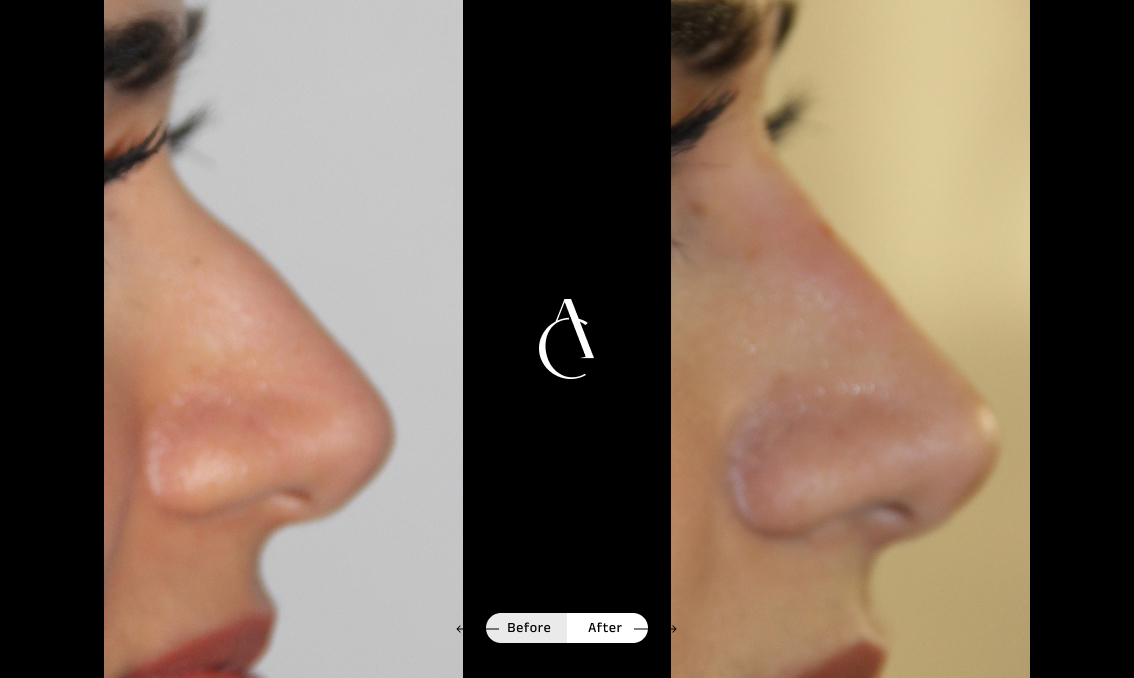
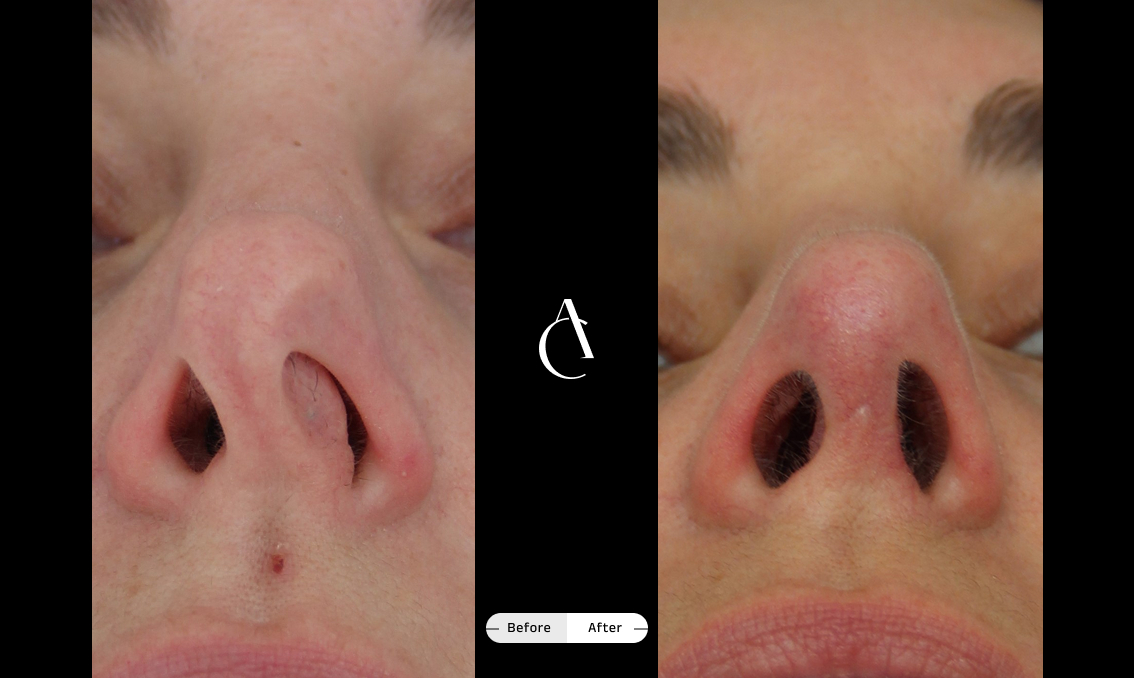
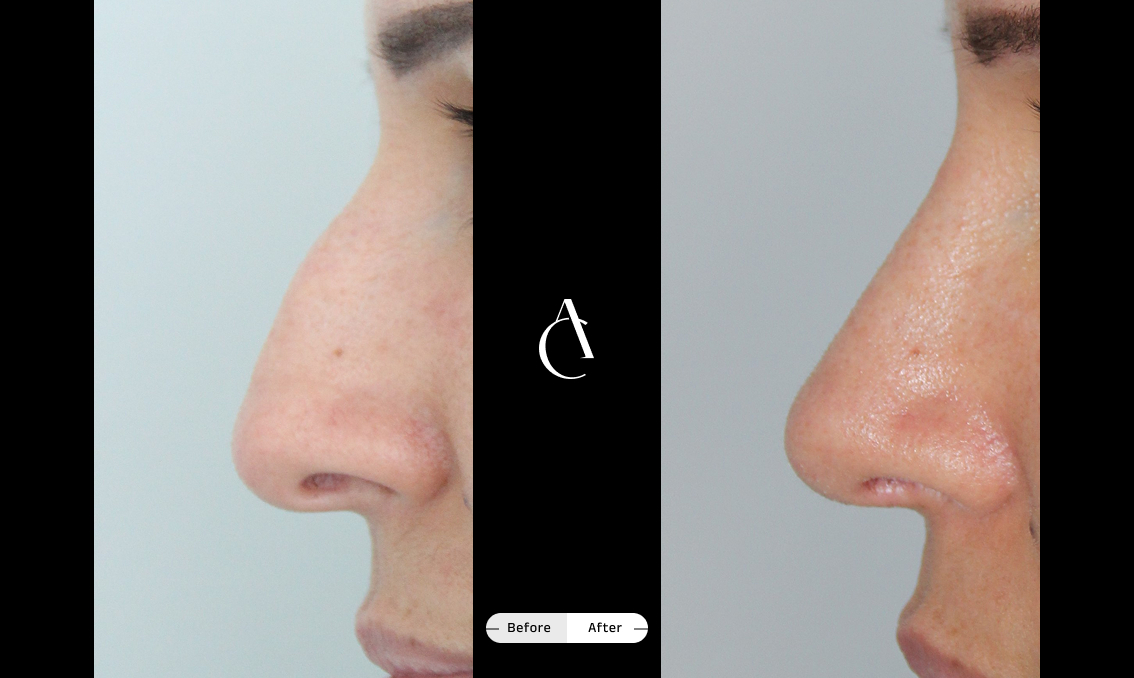
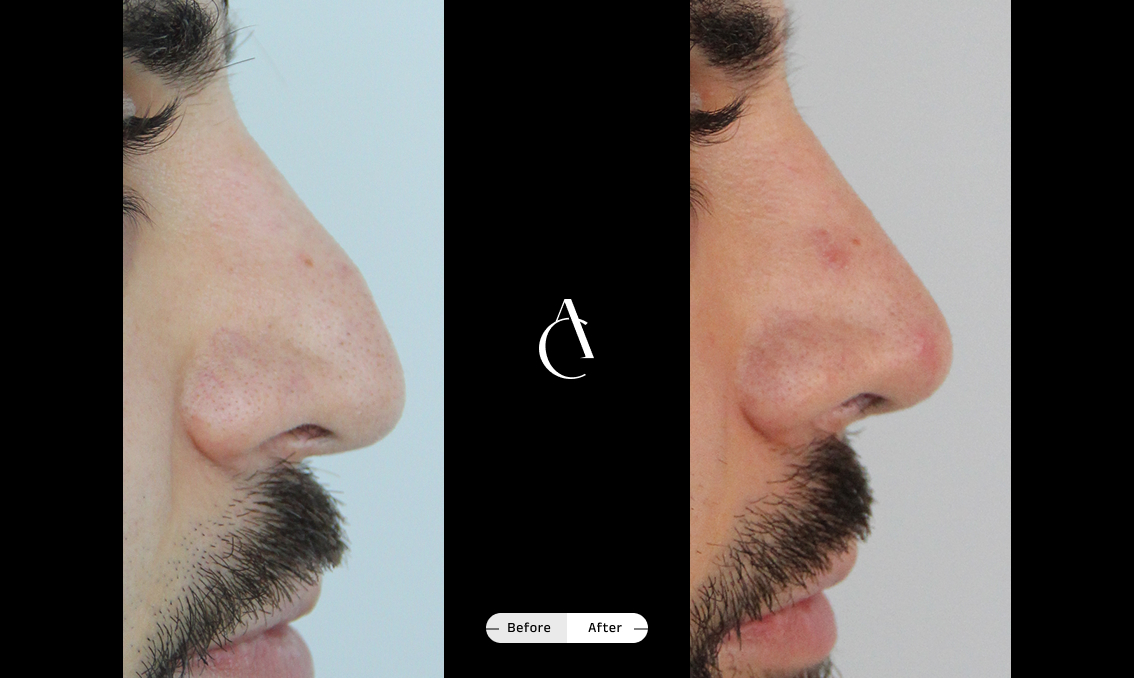
Remember that this early in the healing process your nose is still swollen, so the shape you see won’t be the final result. Your nose will take several more months to fully heal, particularly at the tip. You can read more in our article on the rhinoplasty recovery process.

Images source: Freepik
What is nose taping after rhinoplasty?
When your splint is removed, your surgeon might recommend taping your nose to continue compression care, which helps reduce the swelling and support the new contours of your nose.
Nose taping is something you can do at home, applying it each night before bed and removing it in the morning – your surgeon will show you how. This is usually advised for a week or two after surgery, but you may be advised to do it for up to four to six weeks to help refine the tip and bridge of your nose.
Does nose taping work?
There’s evidence that nose taping works to help manage swelling and reinforce nasal definition, as well as supporting the healing of your skin-soft tissue envelope. However, it’s worth bearing in mind that results do vary from one patient to another, and it’s usually more effective in the first month.
Nose taping without surgery: does it work?
Nose taping is there to support the work carried out by your surgeon, but there’s a growing social media trend claiming that simply applying tape on your nose can help reshape it without the need for surgery. This isn’t true, and it’s a skincare fad as opposed to a valid medical approach. While it can provide a minor reduction in swelling, there’s no evidence that taping your nose can reshape bone, reposition cartilage or make any permanent changes to the size of your nose.

Images source: Freepik
Taping and bandages help healing, not reshaping
In short, bandages provide your nose with protection and compression for about a week after surgery, with taping offering extra support and swelling reduction for a further few weeks of your rhinoplasty recovery. Neither taping nor bandages can alter the final shape of your nose – that’s down to the skill and expertise of your surgeon.
Still unsure about your rhinoplasty recovery plan?
If you’re exploring the possibility of rhinoplasty surgery and want to gain an understanding of your own personal recovery process tailored to your nose and skin type, the first step is a personal consultation with Dr. Cuno at his clinic here in Geneva. Your path to natural, balanced results starts here: book your appointment with Dr. Cuno today.
Images source: Freepik