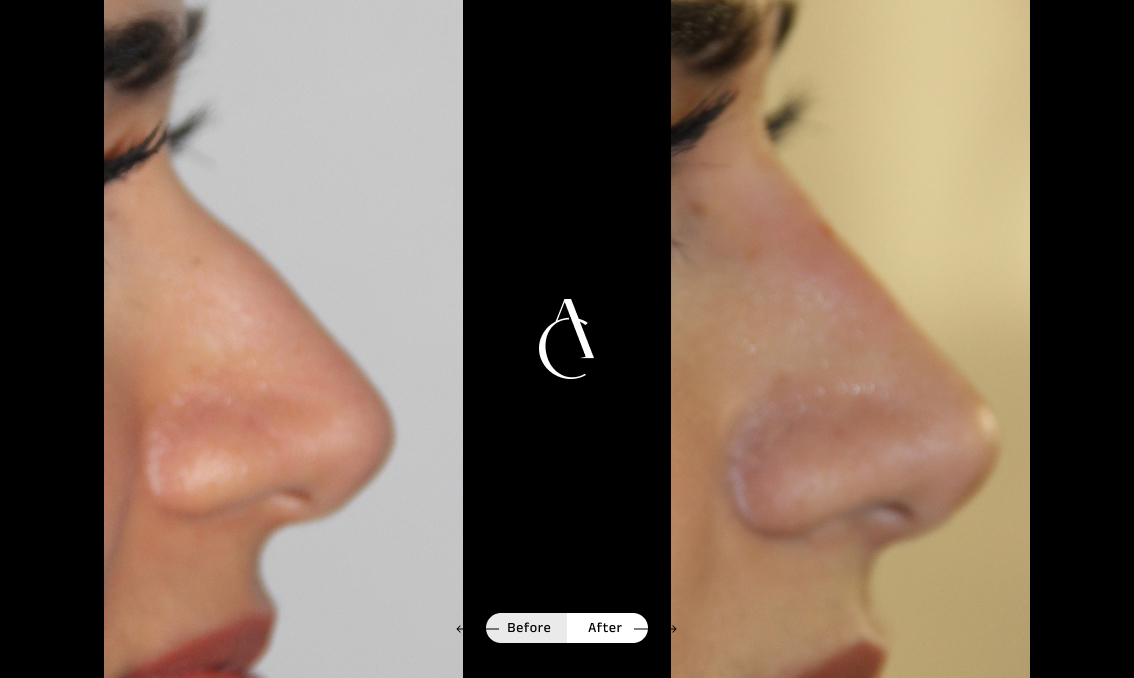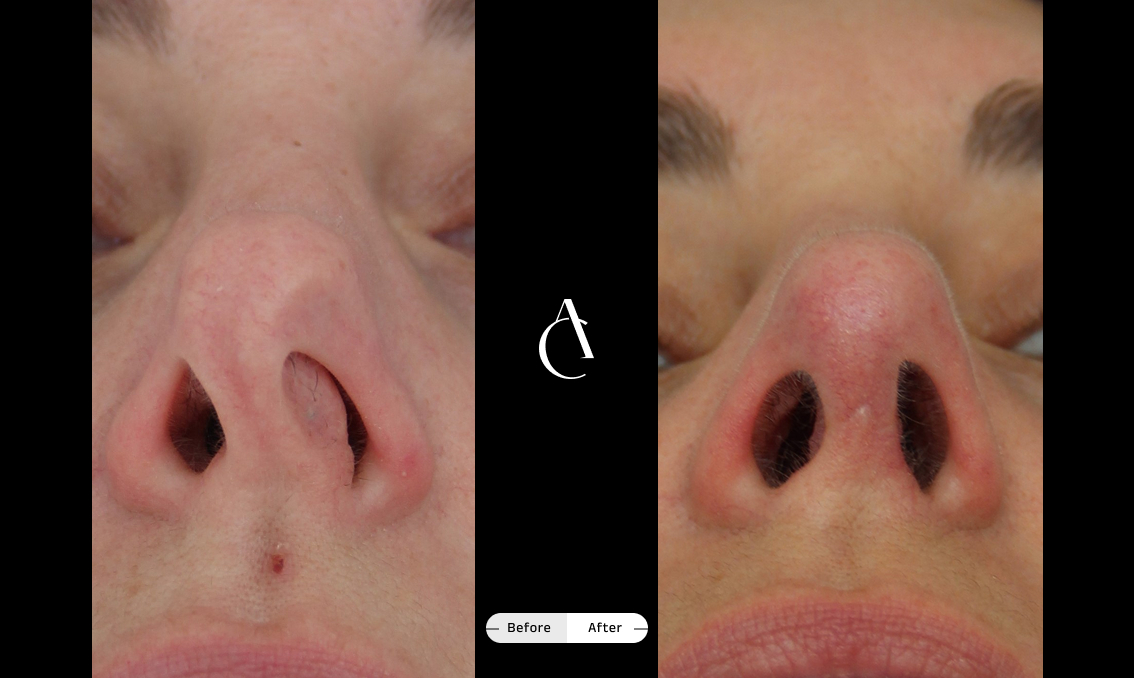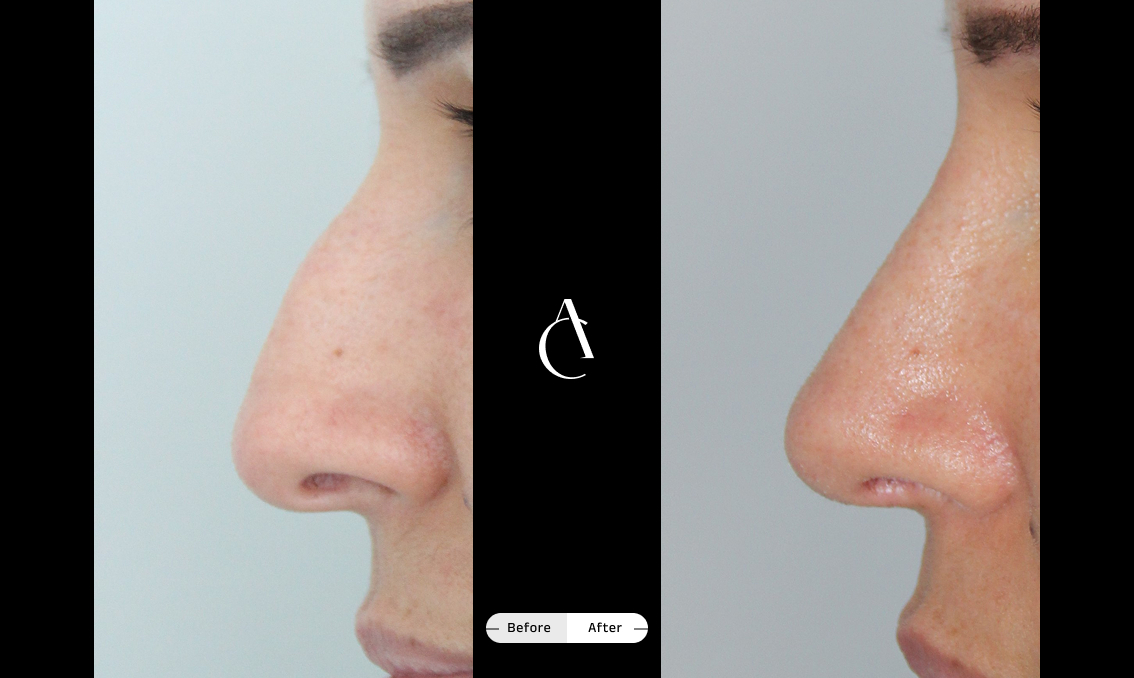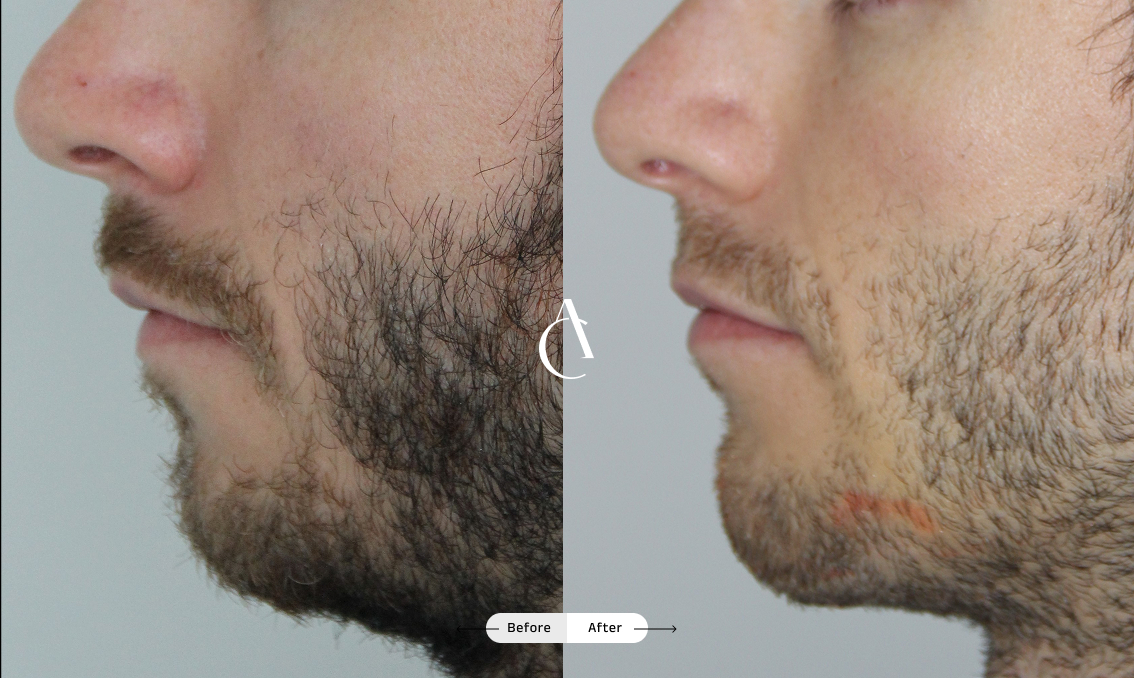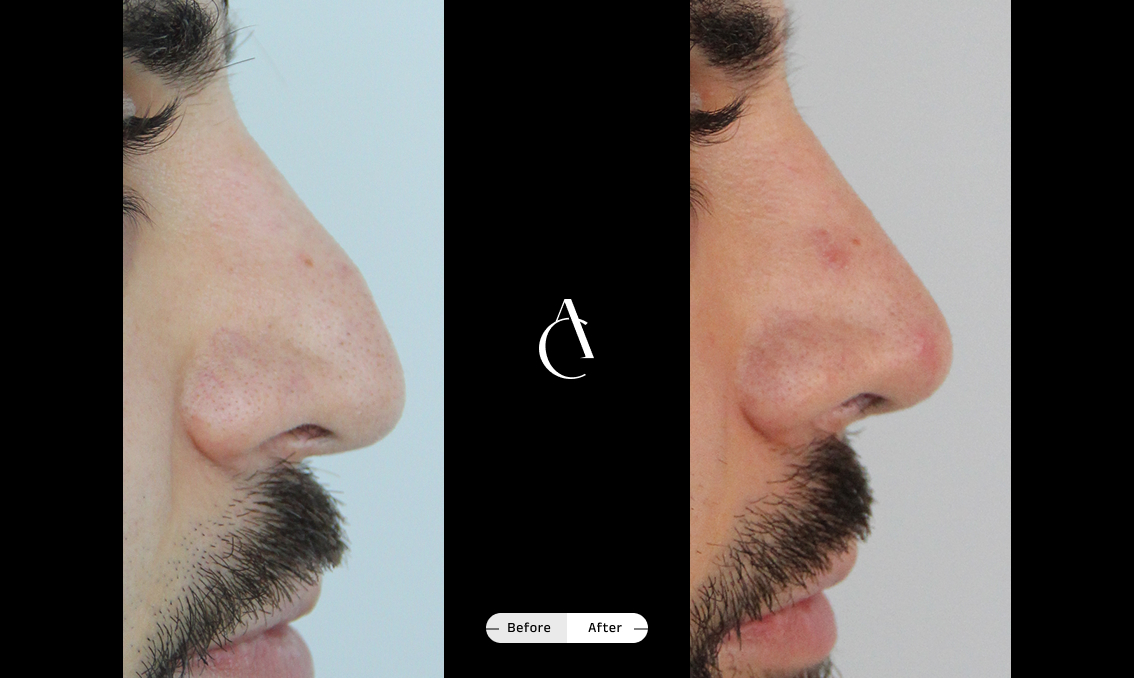

The nasal septum is the thin wall of cartilage and bone that separates the two sides of your nose. Ideally, it sits centrally, allowing air to pass evenly through both of your nostrils. A deviated septum is when this wall is displaced to one side.
Some degree of deviation is extremely common, and many people have it without even realising. Problems arise when the deviation is severe enough to restrict airflow, with typical symptoms including:
- A blocked or congested nose – often worse on one side
- Noisy breathing, especially at night
- Snoring or sleep disturbance
- Recurrent sinus infections
- Headaches or facial pressure
- Frequent nosebleeds
- Mouth breathing, particularly during sleep
Not everyone who has a deviated septum will need treatment for it, and surgery is usually only considered when symptoms are significantly affecting your quality of life.
Functional rhinoplasty and septoplasty: what’s the difference?
These two terms are often used together, which can be confusing.
Septoplasty is a procedure that straightens the septum. Its focus is purely functional, improving the airflow through your nostrils by correcting the internal structural problem. It doesn’t usually change the external appearance of your nose.
Functional rhinoplasty addresses both the internal and external nasal structures of your nose to improve your breathing. Functional nasal surgery may involve supporting weakened cartilage, widening narrow areas or correcting the collapse of the nasal valves.
For many patients with a deviated septum, surgeons combine both procedures into what’s known as a functional septorhinoplasty, which corrects the deviation and improves nasal harmony at the same time.
Can rhinoplasty correct a deviated septum?
It certainly can, yes. Rhinoplasty combined with septoplasty can correct septal deviation and significantly improve airflow, helping you breathe more easily. In this context, rhinoplasty is not just about aesthetics. It allows the surgeon to:
- Access and straighten your septum
- Reinforce weak cartilage
- Improve your internal nasal valves
- Adjust your nasal framework for better structural support
However, although the primary goal of functional rhinoplasty is easier breathing and improved comfort levels, you can (if you wish) ask your surgeon to carry out refinements to the external shape of your nose during the same operation. This might include smoothing a bump or improving symmetry.

Images source: Envato
When is surgery medically necessary for a deviated septum?
Functional rhinoplasty surgery may be considered medically necessary if your symptoms are persistent and affect your daily life. For example, you might be experiencing problems such as:
- Chronic nasal obstruction
- Sleep disturbance or snoring linked to nasal blockage
- Recurrent sinus infections
- Frequent nosebleeds
- On-going mouth breathing
All these things can have a significant impact on your quality of life. This makes this type of rhinoplasty different from purely cosmetic surgery, which focuses only on your appearance. If you’re having breathing problems, an ENT or facial plastic specialist will typically document your symptoms, examine your nasal passages and sometimes use imaging or endoscopy to assess the severity of the deviation. This is important when discussing medical necessity and insurance cover, which we’ll come onto shortly.
What to expect from rhinoplasty and septoplasty for a deviated septum
This procedure is usually performed under general anaesthesia, which means you’ll be fully asleep. During your surgery, your surgeon:
- Straightens or reshapes the septum
- Removes or repositions bent cartilage and bone
- May use cartilage grafts to strengthen the nose
- Refines your nasal framework
Surgery typically takes a few hours. It’s often performed as day surgery, but some patients may stay overnight depending on the extent of the procedure and individual health factors.
Recovery usually involves:
- Nasal splints or internal supports for a short period
- Swelling and congestion during the first weeks
- Gradual improvement in breathing as swelling subsides
Complete healing takes time. For more detailed information on what to expect from the recovery phase, have a read of our article on the recovery time for rhinoplasty.
Does insurance cover rhinoplasty for a deviated septum?
If you’re relying on medical insurance to finance your rhinoplasty procedure, keep in mind that this is only likely to cover the functional elements of the operation, such as septoplasty or medically necessary functional rhinoplasty. Breathing impairment will need to be documented in order for your insurer to pay out.
Cosmetic changes to the external appearance of your nose aren’t usually covered by insurance, so if you’re having surgery that includes both functional and aesthetic refinements, only part of the operation will be covered. It’s important to discuss documentation, examination findings, photographs and medical reports with both your surgeon and your insurer.
How much does rhinoplasty for a deviated septum cost?
The cost of functional rhinoplasty varies depending on several factors, such as:
- Whether you need septoplasty alone or combined functional rhinoplasty
- The complexity of your deviation
- The surgeon’s experience and qualifications
- Hospital fees, anaesthesia and follow-up care
You’ll usually receive a personalised quote after your initial examination. As we’ve already mentioned, your insurance may cover the functional part of your procedure, but you may still be responsible for any costs relating to aesthetic adjustments.

Images source: Envato
Who is a good candidate for functional rhinoplasty or septoplasty?
Good candidates for rhinoplasty or septoplasty surgery typically:
- Have a confirmed deviated septum and symptoms
- Are in good general health
- Have realistic expectations
- Understand the recovery process
This surgery may be particularly helpful if you have a long-standing nasal obstruction or previous trauma, or if you’ve had unsuccessful nasal surgery in the past.
Next steps: discuss your deviated septum with a specialist
If you’re struggling with nasal blockage or breathing problems, a consultation with a specialist like Dr. Cuno is the best first step. He will conduct a thorough assessment of your nasal structure and symptoms to help you determine whether septoplasty, functional rhinoplasty or a combined approach is right for you.
Book a consultation with Dr. Cuno at his Geneva clinic to explore your options and find out how treatment could improve both your breathing and overall comfort.