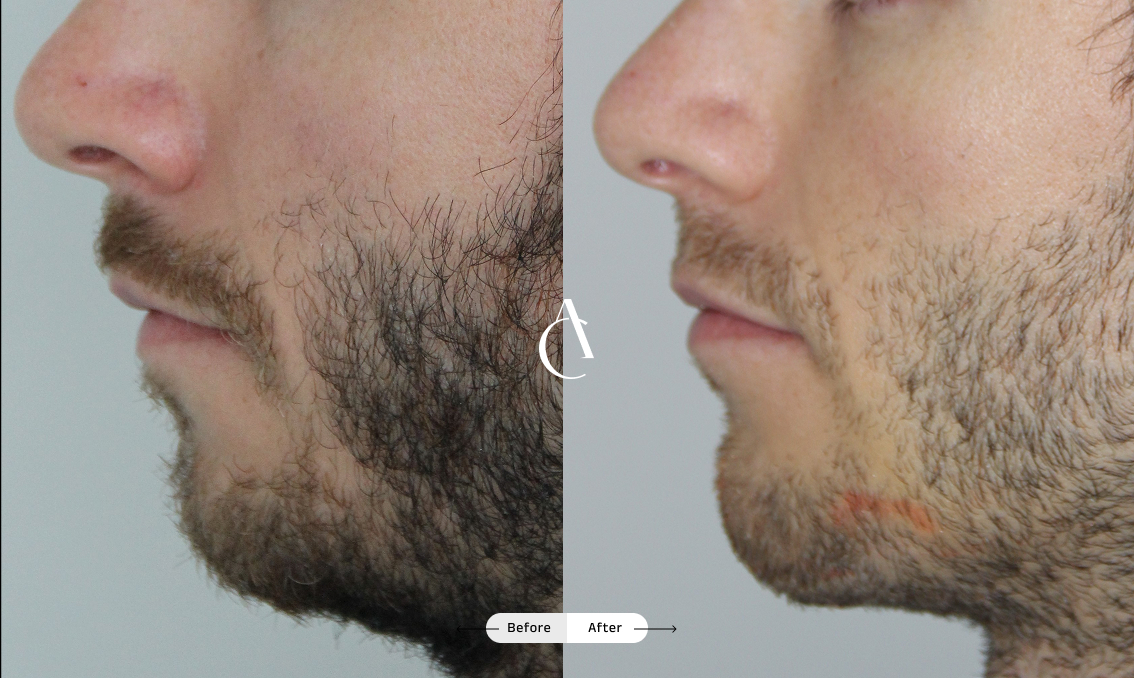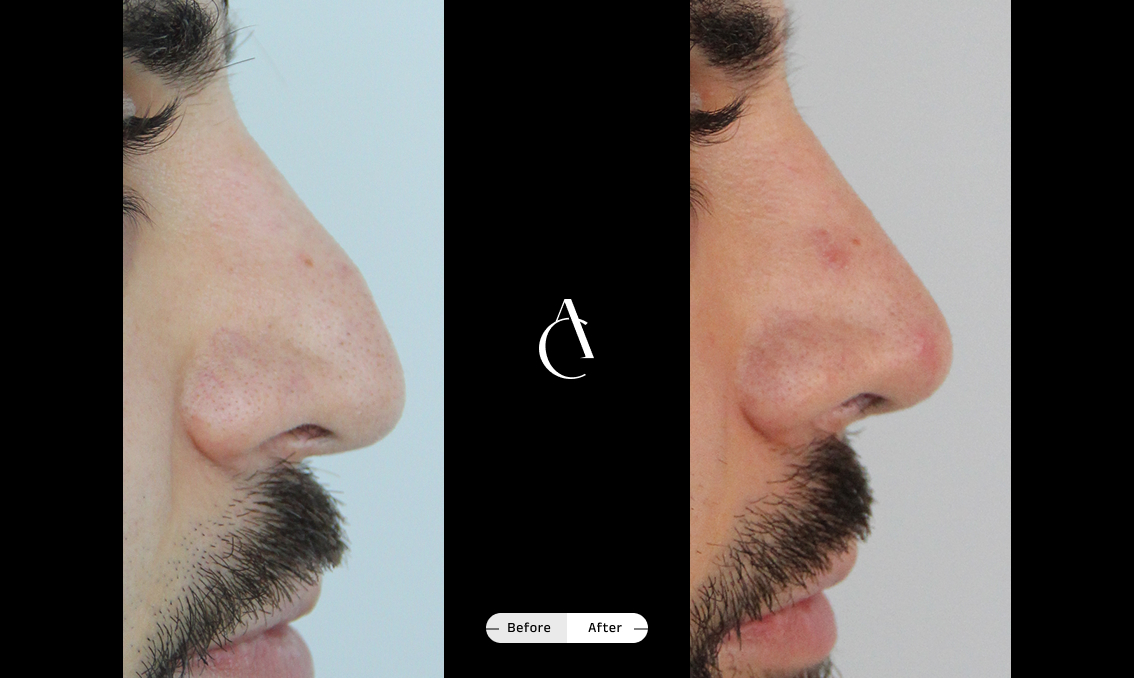

Ever wondered what the word ‘rhinoplasty’ means? The term may sound complex, but its meaning is quite straightforward once broken down. It comes from Greek origins:
- “Rhino” meaning nose
- “Plasty” meaning to shape, mould or form
Put together, “rhinoplasty” simply means the surgical shaping or reconstruction of the nose.
While it’s a clinical term, it’s also a precise one. Unlike more casual language, it clearly reflects both the anatomical focus (the nose) and the purpose of the procedure (reshaping or reconstructing). This makes it the preferred term in medical settings, where clarity and accuracy are essential.
Why is it called a rhinoplasty and not a nose job?
In everyday conversation, many people refer to rhinoplasty as a “nose job”. However, while widely understood, this informal phrase lacks the nuance of the medical term.
The term ‘nose job’ can mean many things, from subtle cosmetic tweaks to complex reconstructive surgery. In contrast, ‘rhinoplasty’ is a professional term used by surgeons to describe a specific type of procedure involving the structure of the nose.
There are also different types of rhinoplasty, including:
- Cosmetic rhinoplasty, which focuses on appearance
- Functional rhinoplasty, which improves breathing
- Reconstructive rhinoplasty, used after trauma or previous surgery
Using the term ‘rhinoplasty’ helps emphasise that this is a specialised surgical procedure, not simply a cosmetic adjustment. So, while the phrase “nose job” is convenient shorthand, rhinoplasty reflects the expertise, planning and precision involved in this surgery.
A short history of rhinoplasty
Rhinoplasty is far from a modern invention. In fact, it has one of the longest histories of any surgical procedure.
Its origins can be traced back to ancient India, where early forms of nasal reconstruction were performed as far back as 600 BCE. These procedures were often used to rebuild noses that had been damaged or removed, using skin grafts from other parts of the body. This technique laid the foundation for many reconstructive methods still used today.
Over time, rhinoplasty techniques spread to other parts of the world, including the Middle East and Europe. During the 18th and 19th centuries, the procedure evolved significantly as surgeons refined their understanding of anatomy and surgical methods.
In the 20th century, rhinoplasty became more widely associated with cosmetic enhancement, as advances in anaesthesia and surgical precision made elective procedures safer and more predictable. At the same time, functional techniques were developed to address breathing problems and structural issues within the nose.
Today, rhinoplasty represents a combination of art and science, drawing on centuries of knowledge while incorporating modern technology and techniques.
What does rhinoplasty mean today?
In contemporary practice, rhinoplasty is a highly personalised procedure that goes far beyond simply changing how the nose looks.
Patients seek rhinoplasty for a variety of reasons, including:
- Aesthetic refinement – adjusting the size, shape or symmetry of the nose to better suit the face
- Functional improvement – correcting structural issues, such as a deviated septum or nasal valve collapse, to improve breathing
- Reconstruction after trauma – restoring the nose following injury, previous surgery or congenital conditions
Modern rhinoplasty often combines these goals. For example, a patient may wish to improve both the appearance of their nose and their ability to breathe comfortably. In such cases, the procedure is carefully planned to address both form and function.
Importantly, today’s approach to rhinoplasty focuses on natural-looking results and maintaining harmony with the rest of the face, rather than dramatic or artificial changes.

Images source: Envato
Curious about rhinoplasty? Start with the right information
Understanding what rhinoplasty means is a helpful first step for anyone considering the procedure. If you’re exploring your options, whether for aesthetic or functional reasons, it’s important to seek accurate, expert advice tailored to your individual anatomy and goals. Booking a consultation with a qualified specialist like Dr. Cuno will allow you to discuss your concerns, understand the available techniques and determine the most appropriate approach for you.