Does rhinoplasty change your face or just your nose?
Technically, the rhinoplasty procedure may reshape bone, cartilage or soft tissue to refine the bridge, tip, nostrils or overall structure of your nose. However, because your nose sits at the centre of your face, even small adjustments to it can influence how your entire face looks. This is because:
- It draws attention to your eyes and mid-face
- It influences profile proportions
- It impacts symmetry between facial features
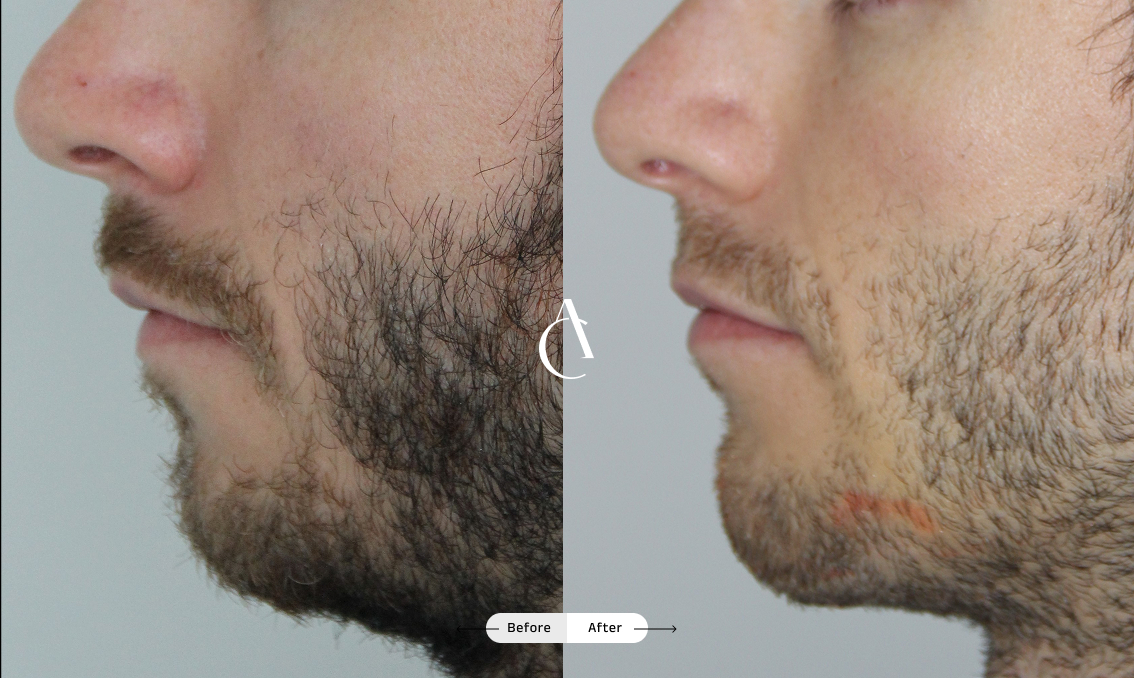
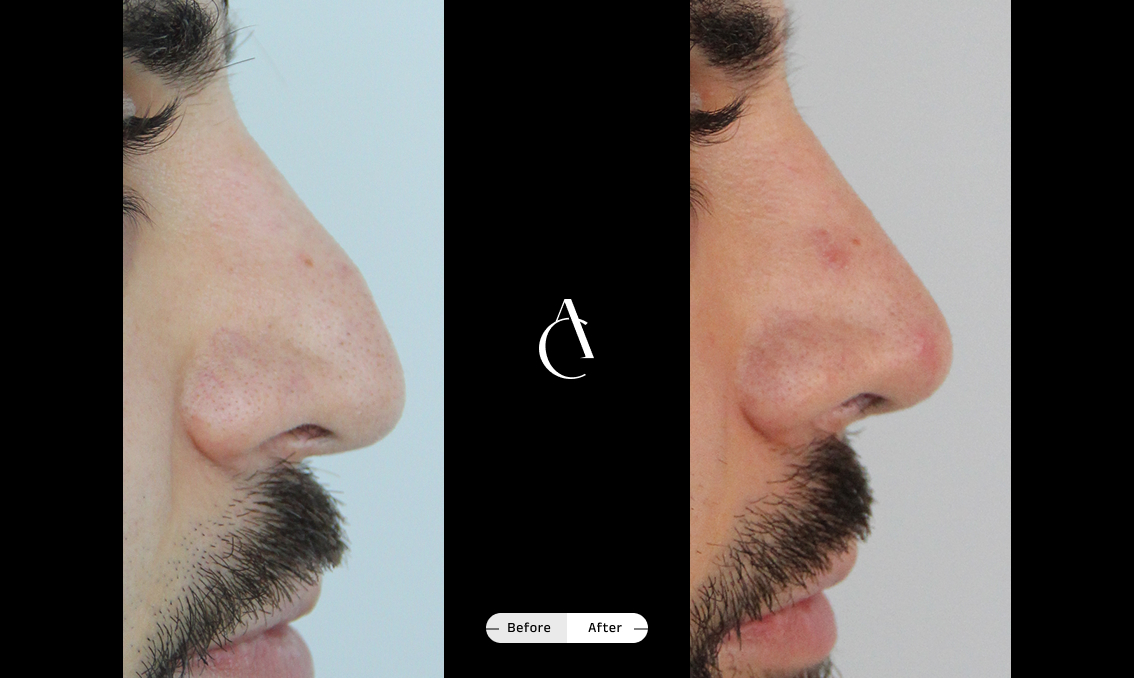
For example, reducing a prominent hump on your nose may make your chin appear stronger or your eyes more noticeable. Refining a wide nasal tip can create a softer or more balanced appearance overall. In short, a well-performed rhinoplasty should complement your natural features rather than overpowering them.
Can rhinoplasty change your facial appearance significantly?
Rhinoplasty can change your facial appearance quite noticeably, but the degree of change depends on how your nose looked before and on your goals from surgery. Some procedures naturally create a more dramatic visual difference, including:
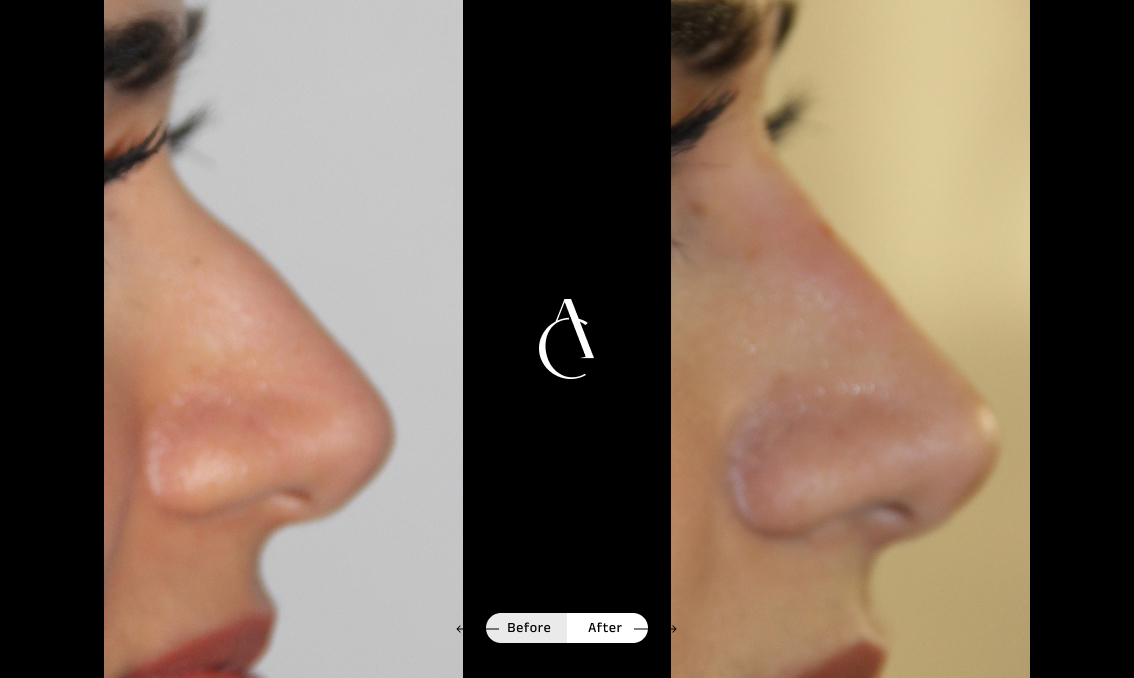
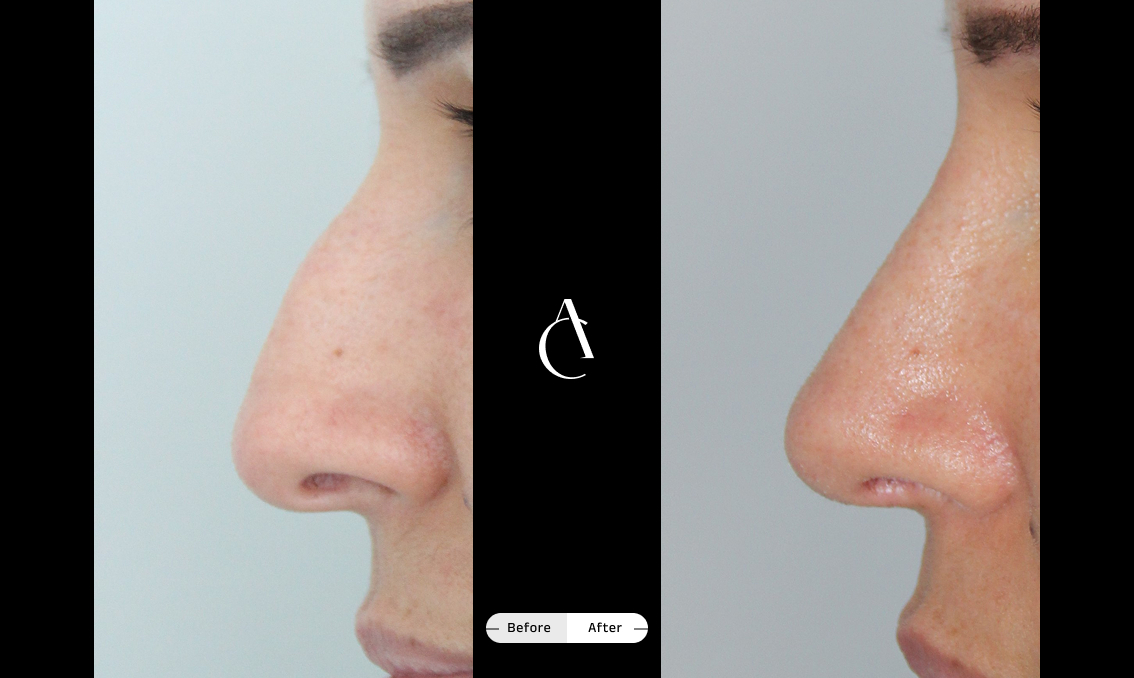
- Large hump removal – a prominent dorsal hump can dominate the profile of your face, so smoothing the bridge often creates one of the most visible changes after rhinoplasty.
- Tip refinement – the tip of your nose has a major influence on the character of your face, and refining a bulbous, drooping or asymmetrical tip can make your face appear more defined and balanced.
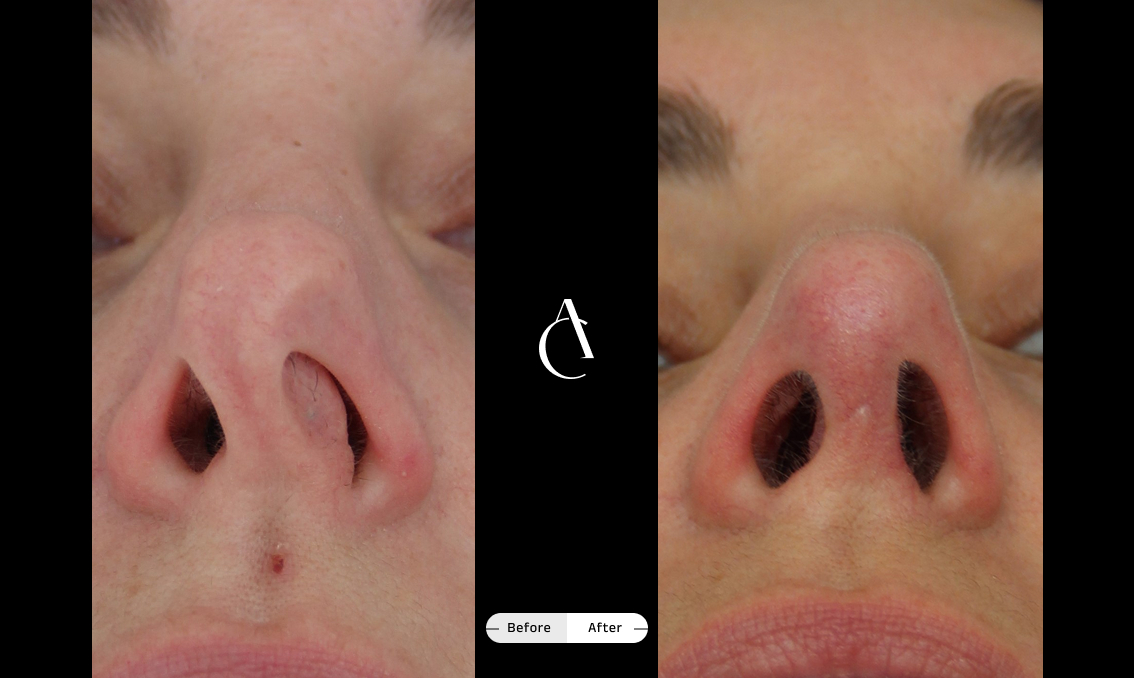
- Width reduction – narrowing a wide nose can subtly alter the proportions of your entire face, especially from the front view.
Despite these changes, the aim of modern rhinoplasty is rarely to create a completely “new” face. The best results look natural and integrated, meaning that people may notice you looking refreshed or balanced without immediately identifying surgery as the reason. A successful rhinoplasty should enhance your appearance while still preserving your identity and recognisable features.
Does a nose job affect your smile or eyes?
Many patients notice temporary changes in their smile or the appearance of their eyes after surgery, which can be surprising if they weren’t expecting it. After rhinoplasty, it’s common for your upper lip or smile to feel stiff for a short period due to swelling that affects the nearby muscles. While the tissues are healing, there’s temporary tension around your nose and upper lip area – but this should improve naturally as swelling settles and tissues relax. Permanent changes to your smile are uncommon when rhinoplasty is performed correctly.
Rhinoplasty doesn’t structurally change your eyes, but it can create a strong visual effect. For example, a narrower bridge may make your eyes appear further apart or more open, while a better facial balance can draw more attention to your eye area. Reducing a dominant nose also can make other features appear more prominent, including your eyes. These are all perception-based changes rather than physical alterations to the eyes themselves.
Overall, any changes to your smile or eye area are typically either temporary or related to improved facial proportions rather than being due to major structural differences.
Images source: Envato
How to choose the right nose shape for your face
One of the most important parts of rhinoplasty is choosing a nose shape that suits your individual features. A good surgeon like Dr. Cuno doesn’t simply follow trends or create the same result for every patient. Instead, they consider the unique proportions and characteristics of your face. Important factors include:
Face shapeDifferent nose shapes suit different facial structures. For example:
- Oval faces often suit softer refinements
- Rounder faces may benefit from increased definition
- Angular faces may require stronger structural balance
Ethnicity and natural featuresModern rhinoplasty places strong emphasis on preserving ethnic identity and respecting natural characteristics rather than erasing them.
Skin thickness
Skin thickness affects how refined the final result can appear. Thicker skin may soften definition, while thinner skin can reveal more detail.
Facial proportionsYour nose should complement your chin, cheeks, forehead and eyes to create overall balance.
Ultimately, the surgeon’s role is to refine your nose in a way that still feels authentic to you. The best rhinoplasty results often look subtle because they work with your existing features rather than against them.
Does rhinoplasty really change your face?
Rhinoplasty can absolutely change how your face looks – sometimes subtly, sometimes significantly. Because your nose is such a central feature, even small adjustments can affect the overall harmony and balance of your face, but a good rhinoplasty procedure should not make you look like someone else. The goal is refinement, proportion and natural integration that enhances your appearance while preserving your identity.
If you’d like to get some tailored guidance about whether or not rhinoplasty surgery is right for you, book a consultation with Dr. Cuno today to understand the safest approach for your lifestyle and goals.