Here’s a clear look at what taping actually does, why it’s sometimes recommended, and what really happens if you don’t do it.
What happens if you don’t tape your nose after rhinoplasty?
We’ll start with the reassurance: not taping doesn’t automatically ruin a rhinoplasty. Taping is a supportive measure, not the thing holding your new nose together. Depending on why it was recommended, skipping it or stopping early may simply mean you lose some of its intended benefit, mainly a bit of help managing swelling and encouraging the skin to settle against the new shape of your nose.
How much it matters depends on your surgical technique, your stage of recovery, how much swelling you have, your skin thickness and your surgeon’s own protocol. If you forgot to tape for one night, there’s really no need to worry. And the key message throughout is this: if your surgeon specifically asked you to tape, follow their instructions rather than swapping in a method you found online.
Why do surgeons tape your nose after rhinoplasty?
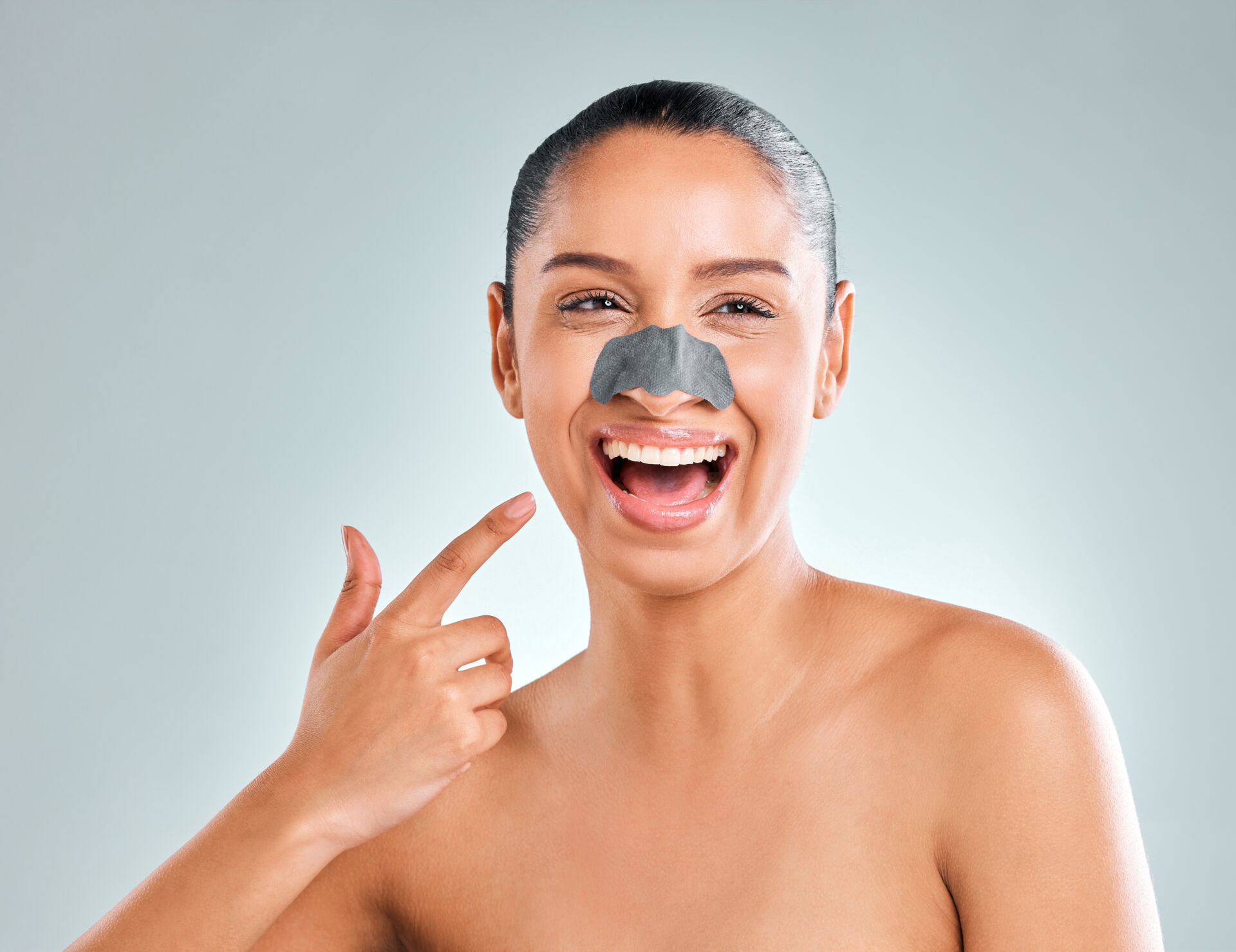
Taping is used for a few practical reasons. It can help manage the swelling that builds up after surgery, provide gentle compression, encourage the skin to adapt to the new contours underneath, and give you a bit of protective awareness so you’re less likely to knock your nose. It’s worth being precise, though: tape doesn’t physically hold your new nose in place or lock the bones together. Its role is to support the process, not to shape it.
It’s also one of those areas where surgeons genuinely differ, based on their technique and experience. Some value taping highly, particularly for thicker-skinned noses where controlling tip swelling is a long game, while others rarely tape at all. That variation is normal and doesn’t mean one approach is right and the other wrong. It simply reflects the fact that taping is a tool applied to individual circumstances. Our guide to the recovery process explains how swelling changes over time.
Does rhinoplasty tape reduce swelling?
It can help some patients, but it doesn’t make swelling disappear on demand. Swelling is a normal part of healing, and it settles gradually over weeks and months. Gentle compression from tape may encourage fluid to disperse, particularly for patients with thicker skin, where swelling in the tip tends to linger longest. Thinner skin behaves differently and may need less. The honest summary is that taping supports your natural healing rather than replacing it, much like gentle nasal massage can for selected patients.

source: envato.
Do you have to tape your nose after rhinoplasty?
Not necessarily, and this is where a lot of generic advice falls down. Aftercare varies between surgeons and between procedures. Whether taping is recommended can depend on the technique used, your skin thickness, the amount and location of swelling, whether it was a primary or a revision procedure, and how you heal as an individual. Some surgeons tape routinely, others rarely do. That’s why your surgeon’s instructions matter far more than any universal rule.
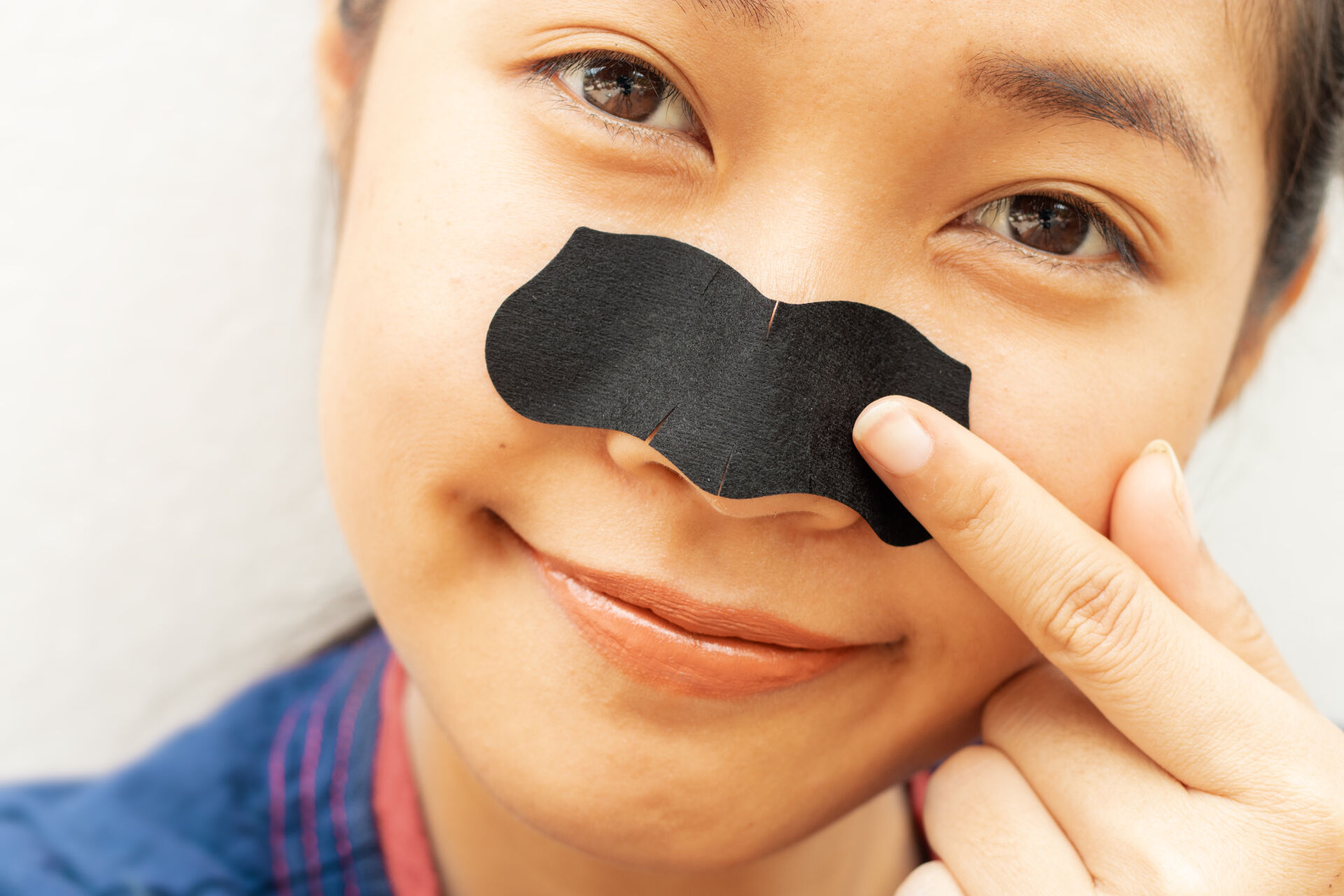
How to tape your nose after rhinoplasty
Because the right method depends on your operation, there isn’t a single do-it-yourself technique that suits everyone. The principles below are general, and they’re no substitute for the exact method your surgical team has shown you, which always takes priority.
- Wash and dry the skin as instructed.
- Use the tape your surgeon recommends.
- Follow the exact placement your surgical team demonstrated.
- Apply controlled, even pressure.
- Avoid excessive compression.
- Replace or remove the tape according to the schedule you were given.
How tight should you tape your nose after rhinoplasty?
Tape should never be tight. The aim is gentle, controlled compression, and tighter is not better. It should never interfere with your circulation, and pain, marked colour changes, numbness or significant skin irritation are all signs not to ignore. Most importantly, the goal is not to squeeze or reshape your nose yourself. Simply follow the tension your surgeon showed you.
Can you tape your nose incorrectly after rhinoplasty?
You can. Common mistakes include using too much tension, placing the tape in the wrong position, taping against your surgeon’s instructions, leaving irritated skin covered, using the wrong adhesive products, pulling tape off too aggressively, and trying to reshape the nose with tape. If you think you’ve taped incorrectly, remove it gently, stop if the skin is irritated, and check with your clinic before carrying on.
How long should you tape your nose after rhinoplasty?
There’s no universal duration. How long taping continues depends on your technique, your swelling, your skin, how you’re healing and your surgeon’s preference. Some patients tape for a couple of weeks, others continue with night-time taping for longer. Rather than following a fixed number of weeks you read somewhere, follow the plan your surgeon set for you and stop when they advise.
Should you tape your nose all day or only at night?
This varies by protocol and by stage. Some surgeons recommend more continuous taping early on, then move to night-time-only taping as recovery progresses, before stopping altogether. Others use night-time taping from the start. Once again, your surgeon’s specific plan matters more than any general rule, and our guide to sleeping elevated after rhinoplasty covers night-time recovery more broadly.
Recovery timeline for rhinoplasty taping
Immediately after rhinoplasty
In the first days you’ll usually have a nasal splint and dressings rather than the adhesive taping discussed here. It’s worth separating three things that often get muddled: surgical tape, dressings and a rigid splint are not the same, and they do different jobs.
After the splint is removed
Once the splint comes off, usually around a week after surgery, adhesive taping may begin if your surgeon has recommended it.
During the first few weeks
This is when taping is most often used to help manage swelling, following your surgeon’s directions.
During the following months
Some patients carry on with night-time taping while others no longer need it. There’s no single instruction that applies to everyone.
source: envato.
What should you do if you forgot to tape your nose?
First, don’t panic. Missing one application doesn’t damage your result. Try not to make up for it by pressing harder or leaving the tape on longer than you were told. Just pick the routine back up according to your surgeon’s schedule, and contact the clinic if you’re unsure or you’ve missed several days.
This is the worry that sits behind the whole question. Someone falls asleep, misses a night, or runs out of tape, and then lies awake convinced they’ve undone the surgery. In reality taping works over days and weeks, not minutes, and a single gap is well within what healing can tolerate. The thing to avoid is overcorrecting, whether that’s doubling up, wrapping tightly or improvising with the wrong product, which tends to cause more irritation than the missed night ever would.
When should you stop taping your nose?
Stopping should be based on your surgeon’s recommendation, your swelling, your stage of healing and how your skin is responding. Don’t keep taping indefinitely just because some swelling remains. A little residual swelling is normal and settles on its own over time.
Can taping change the final shape of your nose?
This is worth clearing up, because it’s a common misconception. There’s a real difference between managing swelling and helping the skin adapt on one hand, and structurally reshaping a surgically altered nose on the other. Tape does the former, not the latter. You shouldn’t try to use it to correct asymmetry, a bump, the tip position or the shape of your nostrils. If you’re worried about the shape of your nose, speak to your surgeon.
For more on what can and can’t change during healing, see our articles on whether cartilage can move after rhinoplasty and whether a rhinoplasty can be reversed.
Rhinoplasty tape and skin irritation: what should you do?
Adhesive tape can sometimes cause redness, itching or sensitivity, especially if your skin is oily or reactive. Remove tape gently rather than pulling it off quickly. If the irritation is significant, or the skin is broken, stop and contact your clinic before continuing. Avoid putting creams or products on the area unless your surgeon has approved them.
Rhinoplasty taping at a glance
If you take away only a handful of points, make it these. Taping is used mainly to help manage swelling and support the skin, and only where your surgeon recommends it. It should be applied with gentle compression and never pulled tight. How long you continue depends on your procedure and your surgeon’s protocol rather than a fixed number of weeks. Missing a single night is usually nothing to worry about, so you can simply resume as instructed. And tape should never be used to try to reshape your surgical result.
Frequently asked questions about rhinoplasty tape
What happens if I miss one night of taping?
Usually nothing of note. A single missed night won’t damage your result, so just pick the routine back up according to your surgeon’s guidance.
Can I sleep without tape after rhinoplasty?
It depends on your prescribed routine. Some patients are asked to tape at night, others aren’t, so follow your surgeon’s plan.
Can I shower with rhinoplasty tape?
Follow your surgeon’s protocol. Tape is generally kept dry, as getting it wet can loosen the adhesive.
Does taping make your nose smaller after rhinoplasty?
Taping can help reduce swelling, which makes the nose look less puffy, but it doesn’t change the actual structural size of your nose.
Can I use any medical tape after rhinoplasty?
No, use the tape your surgical team recommends, as adhesives and materials differ.
Should I keep taping if my nose is still swollen?
Not automatically. Some lingering swelling is normal and doesn’t by itself mean taping should carry on. Check with your surgeon.
Book a consultation with Dr. Cuno
If you’re unsure whether to keep taping, or you have any concerns about swelling after rhinoplasty, the safest guidance comes from the surgeon who performed your procedure. Dr. Cuno can assess how your nose is healing and give you post-operative advice tailored to your surgery.
Book a consultation with Dr. Cuno at his clinic in Geneva for personalised guidance that protects your results and supports a smooth recovery.