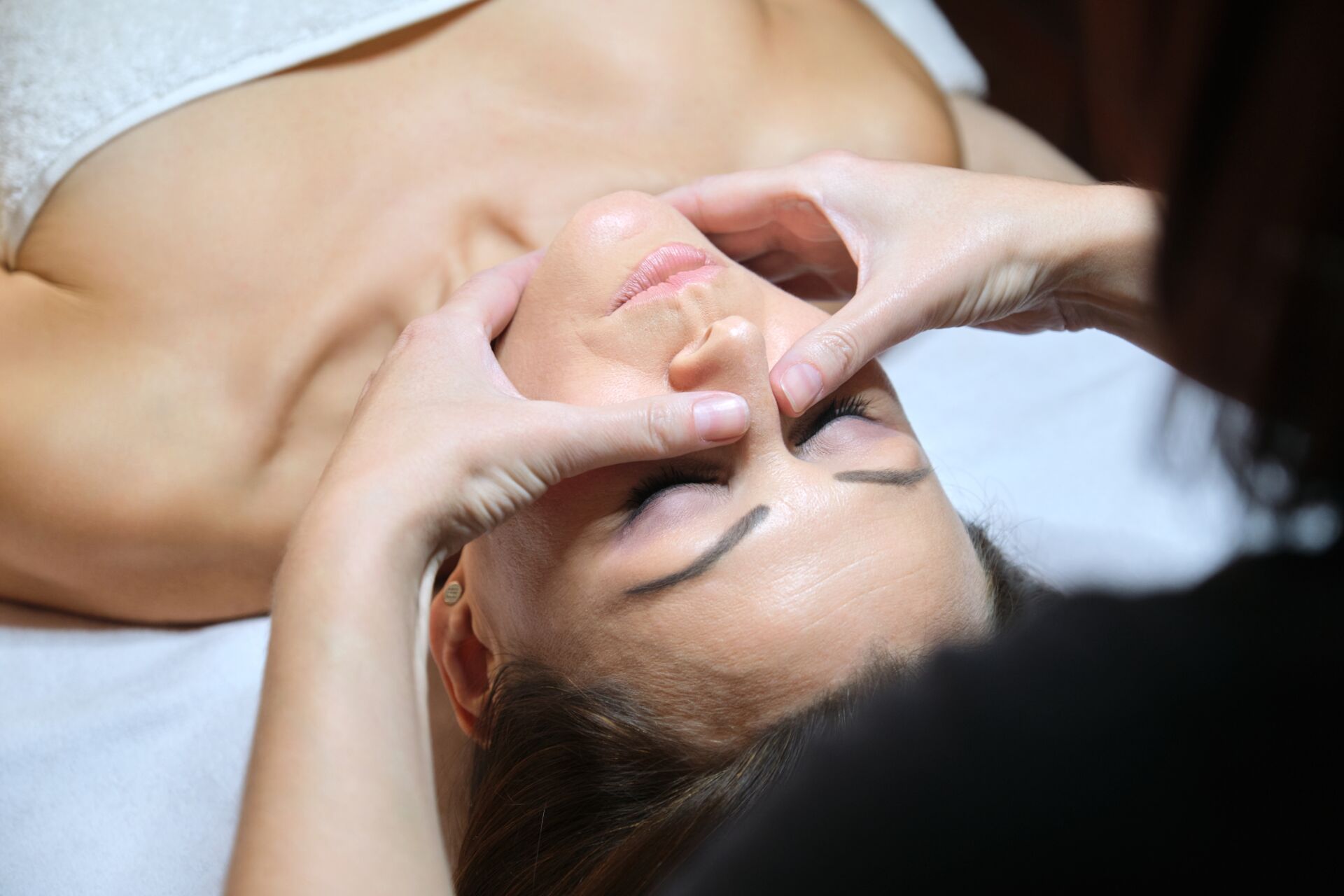
Here’s what you need to know about massaging your nose after rhinoplasty: when it might help, how it’s done, and when to leave your nose well alone.
Should you massage your nose after rhinoplasty?
The most important point to understand is that not every patient needs to massage their nose. Nasal massage is not a standard part of aftercare for every rhinoplasty, and whether it’s recommended for you depends entirely on your surgery and your individual healing.
Your surgeon will consider several factors before suggesting massage, including:
- the surgical technique used
- the amount and type of swelling you have
- how well your healing is progressing
- their own post-operative protocol
Because of this, you should never begin massaging your nose unless your surgeon has specifically advised you to do so and shown you how. What helps one patient could interfere with healing in another, particularly in the early weeks when the delicate tissues and structures inside your nose are still settling. If you’re unsure whether massage is appropriate, always ask before you start – and if you have wider concerns about your progress, our guide to the rhinoplasty recovery process explains how healing typically unfolds.
Does massaging your nose after rhinoplasty help?
When it’s recommended by your surgeon and carried out correctly, gentle nasal massage can offer some benefits for certain patients. These may include:
- reducing localised swelling in specific areas
- encouraging lymphatic drainage to help fluid disperse
- softening scar tissue in selected cases
- helping to smooth minor irregularities when specifically advised
It’s important to keep your expectations realistic, though. Massage works on soft tissue and swelling, so it cannot reshape bone or dramatically alter the outcome of your surgery. In other words, massage cannot:
- reshape or reposition nasal bone
- change the fundamental result of your rhinoplasty
- replace revision surgery if a further procedure is genuinely needed
Think of massage as a way to support your natural healing in the right circumstances, rather than a technique that can transform your result on its own.
When can you start massaging your nose after rhinoplasty?
There is no universal timeline for starting nasal massage, and this is one area where following generic advice can be risky. In the first days after surgery, your nose should be left alone entirely – this is a time for rest and protection, not manipulation.
Beyond that, the right time to begin depends on your particular procedure and how you’re healing. Factors that influence the timing include:
- whether you had open or closed rhinoplasty
- whether osteotomies (controlled bone work) were involved
- whether cartilage grafts were used
- how your individual healing is progressing
Because these variables differ so much from patient to patient, your surgeon won’t usually give a fixed number of weeks that applies to everyone. They’ll assess your nose and let you know when – and if – massage is appropriate. It can also help to understand what’s happening beneath the surface during this period, which we cover in our article on rhinoplasty stitches and the early healing phase.
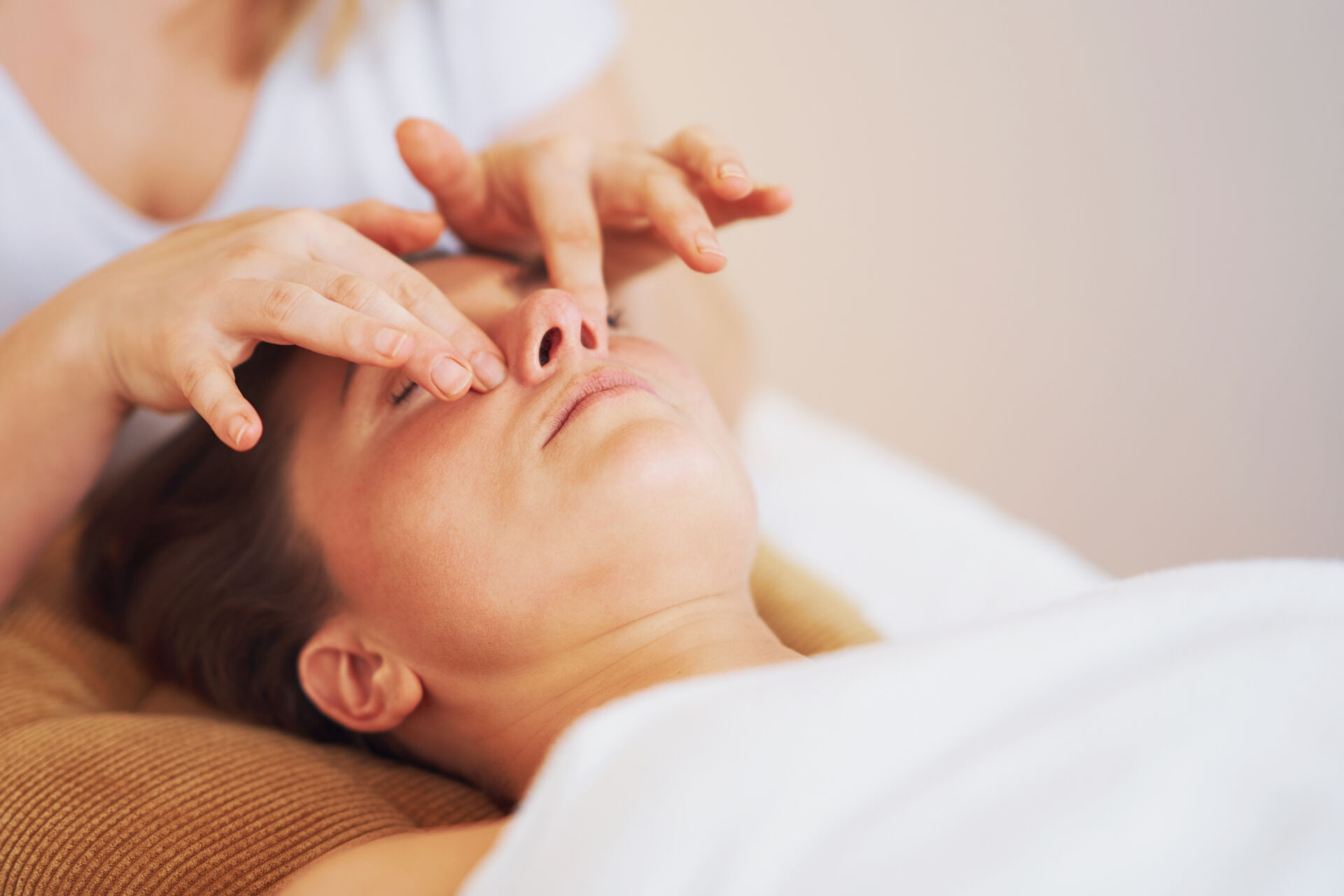 Source: envato.com
How to massage your nose after rhinoplasty
If your surgeon has recommended massage and shown you their preferred technique, the general principles below will help you understand what’s usually involved. This is not a substitute for your surgeon’s personal instructions, which always take priority.
- Start with clean hands to reduce any risk of infection.
- Use gentle pressure only – this should never be forceful.
- Follow the specific movements your surgeon has demonstrated, and only on the areas they’ve indicated.
- Keep each session short and controlled.
- Stop immediately if you feel pain, and mention it to your surgeon.
Techniques vary considerably depending on the goals of your surgery and the areas being treated, which is exactly why a method you’ve seen online may not suit your nose. Always defer to the approach your surgeon has tailored for you.
Can massage help reduce swelling after rhinoplasty?
Swelling is a normal part of healing, and the good news is that it resolves gradually on its own over the weeks and months following surgery. For selected patients, gentle massage may help encourage this process along, but its effectiveness depends on several things, including:
- the stage of your healing
- the type of swelling you have
- your individual anatomy
Massage is only one piece of the puzzle. There are several other ways to help manage swelling during your recovery, such as:
- sleeping with your head elevated to reduce fluid build-up
- avoiding strenuous exercise until your surgeon gives the go-ahead
- following your post-operative instructions closely
- reducing your salt intake where appropriate and eating well
Combining these habits with your surgeon’s guidance tends to be far more effective than relying on massage alone.
Can you massage your nose too much?
Yes – and this is one of the most important things to understand. When it comes to nasal massage, more is definitely not better. Over-massaging, or applying too much pressure, can actually work against your recovery. Potential risks include:
- increased rather than reduced swelling
- irritation of the skin and underlying tissues
- discomfort and tenderness
- delayed healing
- disruption to healing tissues and structures
If your surgeon has recommended massage, they’ll also tell you how gentle to be and how often to do it. Sticking to that guidance carefully is far safer than assuming that doing more will speed things up.
Common mistakes to avoid when massaging your nose
Even well-meaning patients can undermine their recovery by approaching massage the wrong way. Common mistakes to avoid include:
- starting too early, before your nose has begun to heal
- using excessive pressure
- copying online videos without checking with your surgeon
- changing or improvising the technique you were shown
- massaging areas your surgeon didn’t recommend
- expecting immediate or dramatic results
Avoiding these pitfalls comes down to a simple principle: follow your surgeon’s instructions precisely, and don’t be tempted to do more than you’ve been advised.
Recovery timeline: when massage may be recommended
While every patient is different, it can help to understand roughly how nasal massage fits into the wider healing journey.
First week
No massage. Your nose needs complete rest while the initial healing gets under way, and touching or pressing it during this period can be harmful.
Weeks 2–4
Healing continues and swelling begins to settle. Massage should only be considered if your surgeon has specifically instructed you to begin, using the technique they’ve shown you.
First few months
As healing progresses, some patients may be advised to massage particular areas to help with persistent swelling, especially around the tip of the nose, which is often the last area to settle.
Long-term recovery
Most swelling gradually resolves on its own as your nose continues to refine over many months. For plenty of patients, no massage is needed at all for a good result.
When should you contact your surgeon?
Massage aside, it’s important to know the warning signs that warrant a call to your surgeon. Get in touch promptly if you notice:
- increasing rather than decreasing swelling
- redness or warmth around the nose
- severe or worsening pain
- a fever
- unusual firmness or hardening
- worsening asymmetry
- any new concerns following massage
It’s always better to have symptoms checked sooner rather than later. Ongoing or unusual changes should be assessed professionally rather than managed at home.
Frequently asked questions about nose massage after rhinoplasty
Can I massage my nose after rhinoplasty?
Only if your surgeon has recommended it and shown you how. Nasal massage isn’t suitable for every patient, and starting without professional guidance can interfere with your healing.
How often should I massage my nose?
Frequency should always follow your surgeon’s instructions. Some patients may be advised to massage briefly once or twice a day, while others won’t need to at all – there’s no single rule that applies to everyone.
Does massage reduce swelling faster?
It may help some patients when done correctly, but it isn’t a guaranteed shortcut. Swelling resolves naturally over time, and habits like sleeping elevated and avoiding strenuous activity often make just as much difference.
Can massage fix bumps after rhinoplasty?
Massage can sometimes help soften minor soft-tissue irregularities, but it cannot correct bumps caused by bone or cartilage. Those are structural, and only a surgeon can assess whether anything further is needed.
Will massage change my final result?
For most patients, massage supports healing rather than changing the outcome. Your final result is determined by the surgery itself and your body’s natural healing, not by massage alone.
Book a consultation with Dr. Cuno
If you’re unsure whether nasal massage is appropriate during your recovery, the safest approach is always to ask the surgeon who performed your procedure. Dr. Cuno can assess how your nose is healing, advise whether massage is recommended for your specific rhinoplasty, and demonstrate the correct technique if it’s needed.
Book a consultation with Dr. Cuno at his clinic in Geneva for personalised guidance that protects your results and supports a smooth recovery.