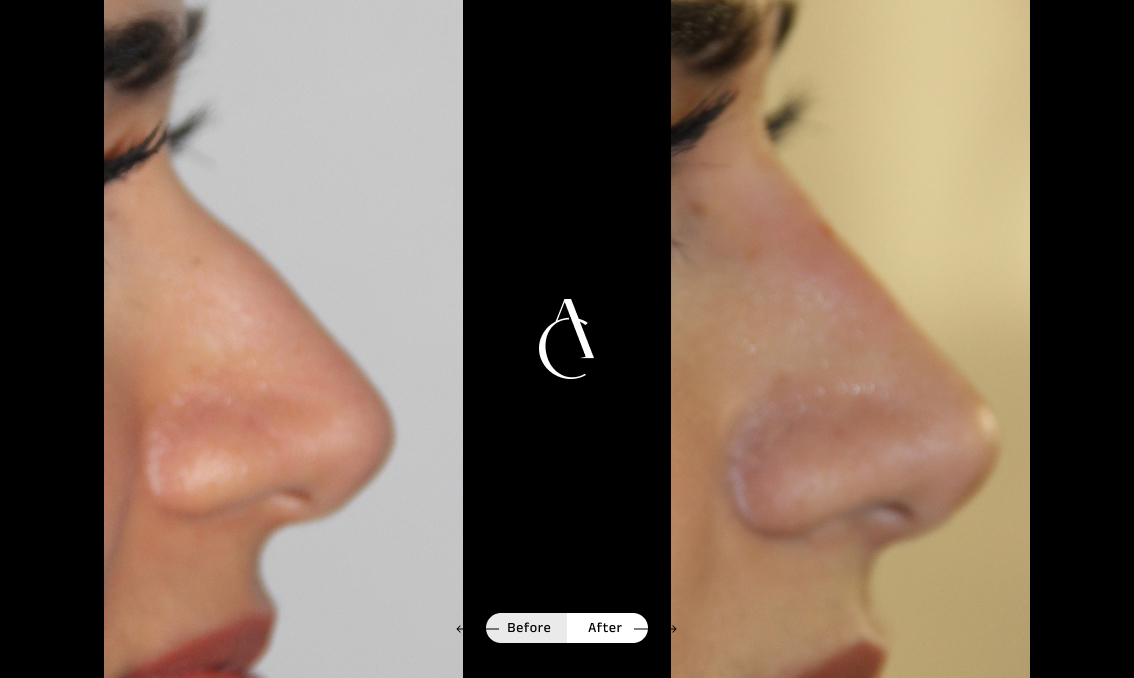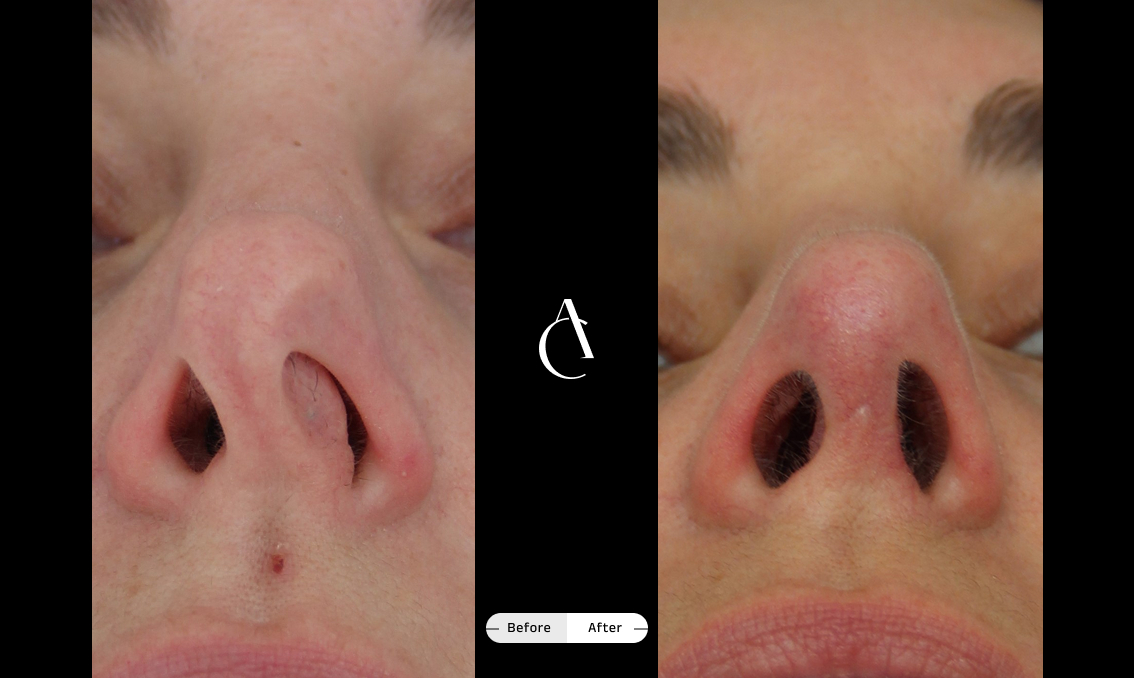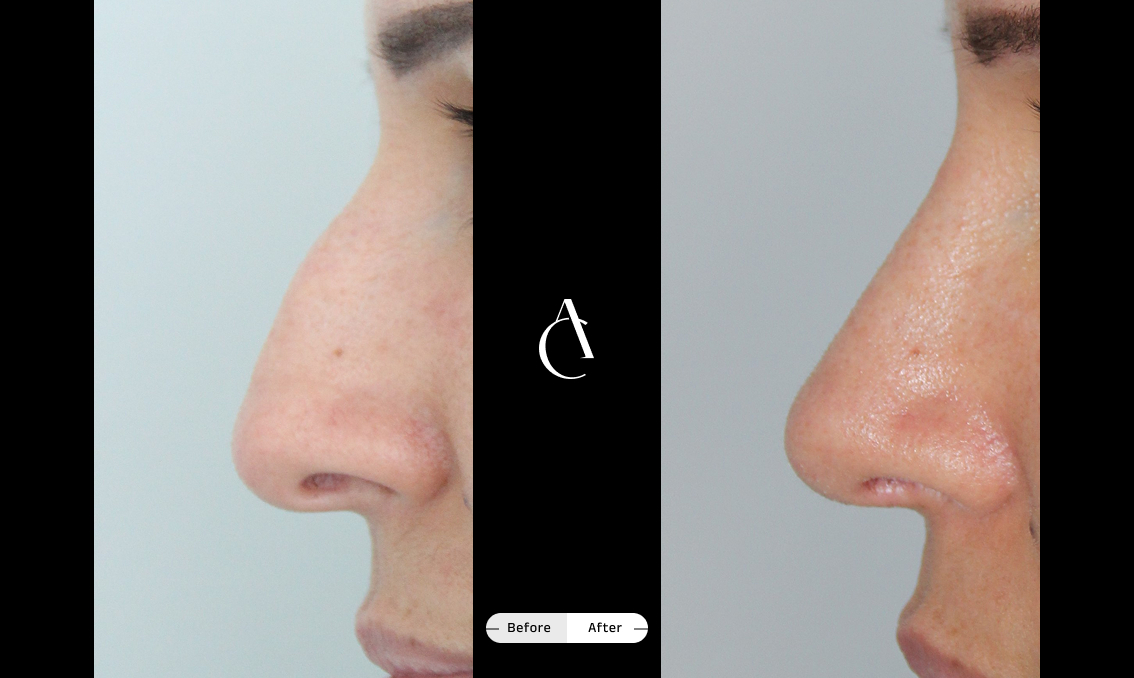
Here is the full history, from its origins in ancient India to the surgery Dr. Cuno performs today in Geneva.
When was the first nose job performed?
The first recorded rhinoplasty dates back to around 600 BCE. Ancient India is widely recognised as the birthplace of nose surgery, and the surgeon credited with its development is Sushruta, often called the father of plastic surgery.
Sushruta documented his techniques in the Sushruta Samhita, a comprehensive medical manuscript covering surgical instruments, procedures and post-operative care. His descriptions of nasal reconstruction are precise enough that surgeons today can follow the same basic method. So when people ask when nose jobs were invented, the honest answer is: much earlier than most expect.
The first rhinoplasty: how ancient Indian surgeons rebuilt noses
To understand why rhinoplasty developed where it did, you need the context. Cutting off the nose was a common punishment for certain crimes under ancient Indian law. This created a constant need for reconstruction, and surgeons responded.
Sushruta’s technique involved cutting a leaf-shaped flap of skin from the forehead, rotating it down while keeping one end attached to maintain blood supply, and using it to rebuild the missing nose. Reed tubes were inserted into the nostrils to hold the passages open during healing.
The sophistication is remarkable. Without anaesthesia, antiseptics or modern instruments, these surgeons were performing complex tissue transfers with anatomical understanding that wouldn’t reappear in Western medicine for over a thousand years. A modified version of that forehead flap technique is still used in reconstructive rhinoplasty today.
How rhinoplasty spread from India to Europe
Sushruta’s techniques survived through Arabic translations of the Sushruta Samhita and gradually reached European physicians. It was in 16th century Italy that rhinoplasty re-entered Western medicine formally.
Gaspare Tagliacozzi, a surgeon at the University of Bologna, developed a method of nasal reconstruction using a skin flap from the upper arm. His 1597 text, De Curtorum Chirurgia per Insitionem, was the first European surgical work dedicated to reconstructive surgery. His technique required patients to keep their arm bound to their face for weeks while the graft healed – uncomfortable by any measure, but it worked.
By the 18th century, British surgeons who had observed Indian techniques brought them back to Europe, and reports of successful nasal reconstructions began circulating through medical journals.

Images source: Envato
The history of nose jobs in the modern era
The 19th century transformed surgery in two decisive ways. Anaesthesia, introduced in the 1840s, meant surgeons could work with precision and take the time procedures required. Before it, speed was survival. Sterile surgical technique, developed through Joseph Lister’s work in the 1860s, addressed the second major killer: infection.
With both in place, rhinoplasty evolved quickly. Johann Friedrich Dieffenbach and later John Orlando Roe in the United States began performing intranasal rhinoplasty in the late 19th century, working through the nostrils to avoid external scars. This was the beginning of cosmetic rhinoplasty as a distinct practice.
Jacques Joseph, a Berlin surgeon, refined these techniques further in the early 20th century and is widely credited with laying the foundations of modern cosmetic nose surgery.
When did rhinoplasty become a cosmetic procedure?
The shift from reconstruction to aesthetics happened gradually, driven by changing social attitudes and the growing visibility of celebrity culture. Hollywood played a real part. As film became the dominant cultural force of the 1920s and 1930s, the idea that surgery could refine rather than restore took hold.
By the mid-20th century, cosmetic rhinoplasty was an established procedure. Demand grew steadily, and with it came continued refinement of technique. Surgeons moved away from aggressive reductive approaches – which had produced the pinched, over-sculpted results now associated with older rhinoplasty – towards more conservative, anatomy-led surgery.
Today the goal is not to create a standard nose. It’s to create the right nose for a specific face.
How modern rhinoplasty differs from the first nose jobs
The gap between ancient and modern rhinoplasty is significant, but the underlying ambition is the same: reshape the nose safely and effectively.
| Ancient rhinoplasty | Modern rhinoplasty |
|---|---|
| No anaesthesia | Modern anaesthesia |
| Basic instruments | Advanced tools including ultrasonic piezotome |
| Reconstruction only | Cosmetic and functional goals |
| High infection risk | Highly predictable and safe |
| No imaging or planning | 3D imaging and personalised planning |
What is the future of rhinoplasty?
Rhinoplasty keeps evolving. Some of the most relevant recent directions:
- Preservation rhinoplasty – keeping the nose’s natural structures intact rather than resecting and rebuilding, producing more natural results with a faster recovery
- Piezo ultrasound technology – ultrasonic instruments that cut bone precisely while leaving surrounding soft tissue undamaged
- 3D imaging – allowing surgeons and patients to discuss realistic outcomes before surgery takes place
- Personalised surgical planning – surgery designed around each patient’s specific anatomy, not a standardised template
The direction is toward greater precision, less tissue disruption and results that look like a natural version of the patient’s own nose.
Considering rhinoplasty? Start with the right guidance
Rhinoplasty has come a long way from forehead flaps and reed tubes. Modern surgery is precise, predictable and covers a wide range of goals – from aesthetic refinement to correcting a deviated septum or improving breathing through functional rhinoplasty. In many cases, both can be addressed in the same procedure.
If you’d like to understand what’s possible for your specific anatomy and goals, book a consultation with Dr. Cuno. Whether you’re looking at a cosmetic change, a septoplasty, or something in between, the first step is a conversation.