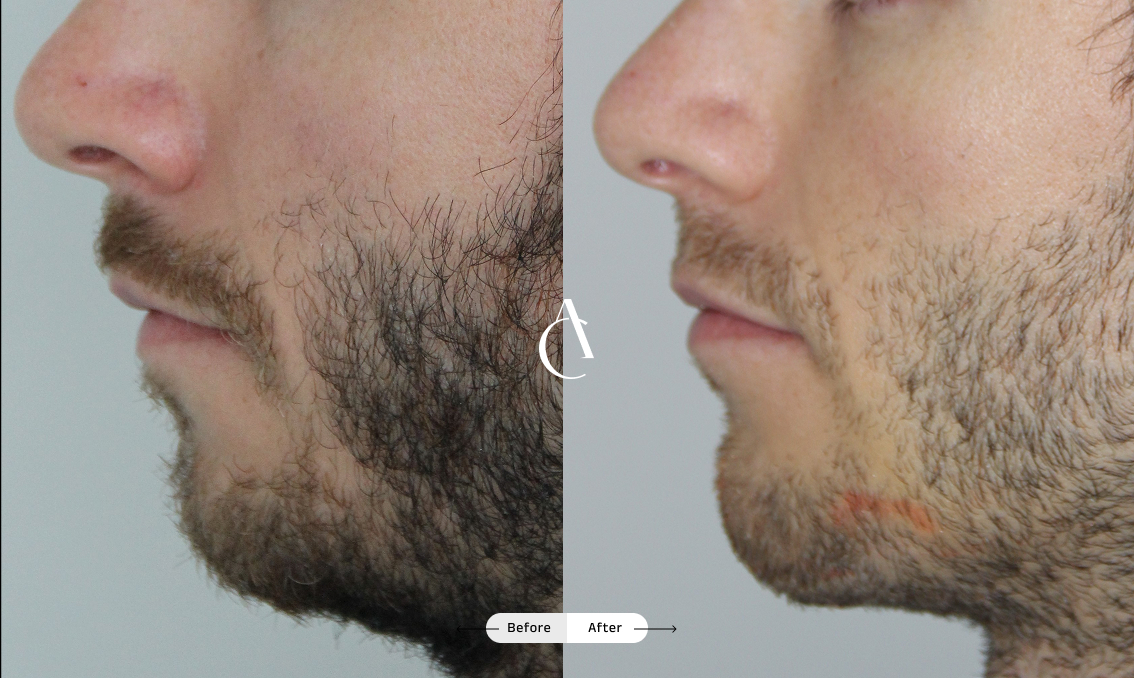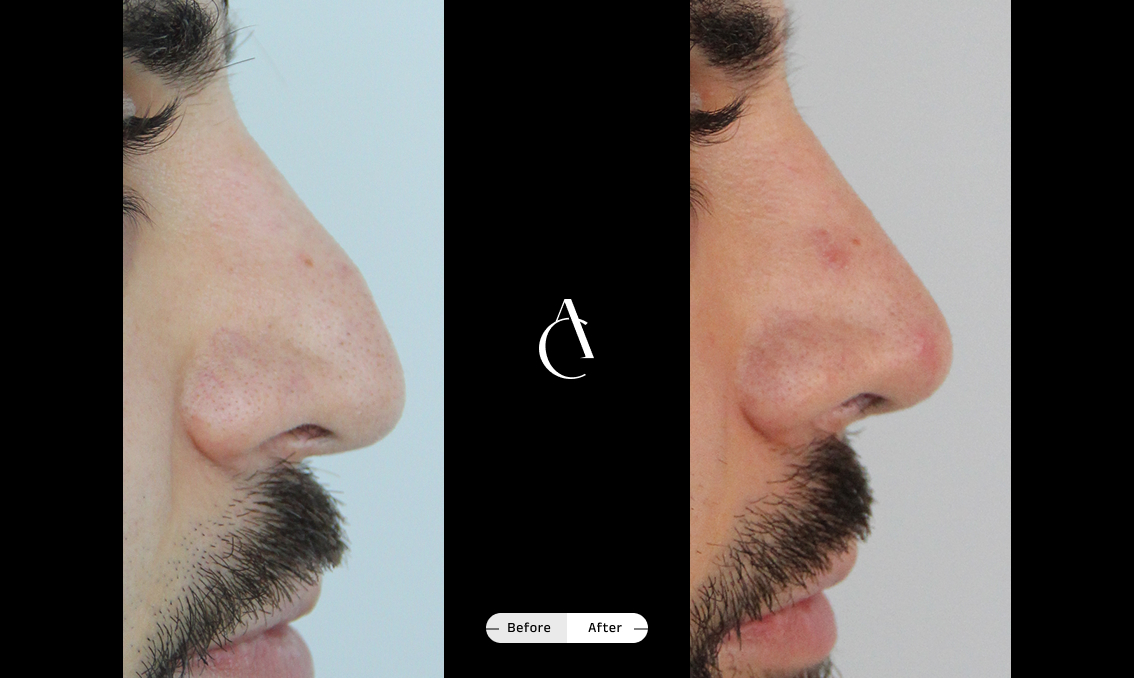

The honest answer is that timing matters more than most people expect. Your nose can look fully healed within weeks of surgery, but the tissue underneath is still settling for many months afterwards. Getting pierced too soon can interfere with that process and, in some cases, affect your final results. Here’s what you need to know before booking that appointment.
Why you should wait before getting a nose piercing
It’s easy to assume that once the visible swelling and bruising have gone down, your nose is fully healed. In reality, the outside of your nose usually settles well before the structures underneath do. Beneath the surface, your tissue is still remodelling, cartilage and any grafts are still stabilising, and the skin is still more sensitive than usual.
A piercing creates a small but real wound, and introducing one while your nose is still healing internally adds unnecessary risk at exactly the point where your results are most vulnerable. This is true even if you feel completely back to normal and even if the outside of your nose looks settled. Understanding the full recovery timeline helps put this into perspective, and it’s worth reading about the recovery time for a rhinoplasty so you know what’s happening at each stage.
It also helps to remember that healing isn’t just about how your nose looks. There’s an internal healing process too, and being honest with yourself about how painful rhinoplasty was and how long the sensitivity lasted can be a useful guide to how much further healing you still have ahead of you. Patience during this stage protects the surgical outcome you’ve invested in.
How long should you wait before getting a nose piercing after rhinoplasty?
This is probably the question you actually came here for, and the honest answer is that it depends. How long you should wait varies according to the type of rhinoplasty you had, how your individual healing is progressing and the surgical techniques your surgeon used.
As a general guide, it’s best to avoid any piercing during the early recovery period, and many surgeons recommend waiting at least six to twelve months before getting your nose pierced after rhinoplasty. Revision surgery, cartilage grafts or more complex structural work often mean waiting towards the longer end of that range, or longer still.
That range is a starting point, not a deadline to count down to. Complete healing matters far more than hitting a specific number of months, which is exactly why your surgeon’s sign-off should always come before your piercing appointment, not a date on a calendar. If you’re still weighing up your options or wondering whether the results will be worth this kind of patience, it’s worth reading more on whether rhinoplasty is worth it and how long a rhinoplasty procedure actually takes, both of which give useful context on what your nose has been through and why it needs time to settle.
Can you get a nostril piercing after rhinoplasty?
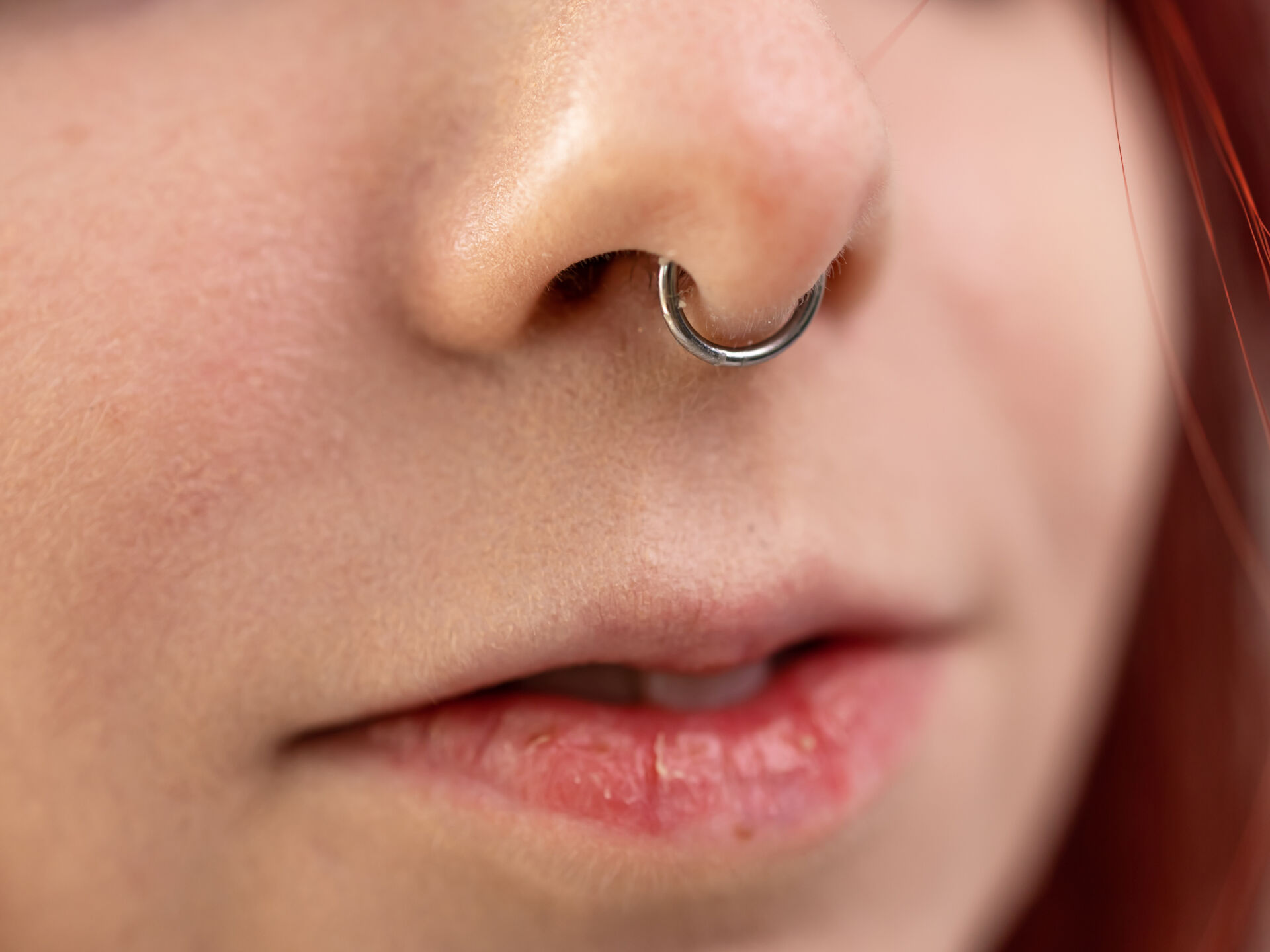
A classic side nostril piercing is possible after rhinoplasty, but it isn’t always as simple as picking up where you left off. Rhinoplasty can change the shape, thickness and support of the tissue around your nostrils, particularly if your surgery involved reshaping the nostril rims or narrowing a wide base.
This means the spot you’d have chosen before surgery may not be the ideal spot afterwards. Scar tissue can also form in and around the nostril, and piercing through it too early, or in the wrong place, can affect both healing and the eventual look of the piercing. Once your nose has fully settled, your piercer or surgeon can help assess tissue thickness and healing in that specific area, and advise on the best placement for your new anatomy rather than your old one.
Source: envato
Can you get a septum piercing after rhinoplasty?
Septum piercings need particular caution after rhinoplasty. Unlike a nostril piercing, a septum piercing passes through internal tissue, in an area that rhinoplasty very often reshapes, restructures or reinforces with cartilage grafts.
Because the septum is central to both the structure and the function of your nose, this internal tissue can take longer to fully stabilize than the skin on the outside. Piercing through it before it’s ready carries a higher risk of irritation, infection or disruption to healing structures, and could affect your ability to breathe through your nose after rhinoplasty while things are still settling. Given how central the septum is to your nose’s support, this is one area where it’s especially worth waiting for clear, individual guidance from your surgeon before going ahead.
What happens if you get a piercing too soon?
Even a small, seemingly harmless piercing can cause outsized problems if it’s done before your nose has finished healing. Getting pierced too soon can lead to:
- Delayed healing, as your body has to manage two separate wounds at once
- Infection, since a fresh piercing channel gives bacteria an easy way in
- Increased swelling, which can be harder to settle once it’s been disturbed
- Irritation and inflammation around the piercing site
- Trauma to tissues that are still repairing themselves internally
- Changes to your final aesthetic result, if pressure or irritation affects healing cartilage or skin
Even what feels like minor trauma, such as jewellery catching on clothing or a stud being knocked while it’s still fresh, can interfere with recovery. This is one of the reasons some patients who go on to need revision surgery point to an early piercing, alongside other avoidable knocks, as a contributing factor. If you’re at all unsure about your risk, it’s worth reading about how a rhinoplasty can go wrong so you understand what you’re protecting against.
Signs your nose may not be ready for piercing yet
There’s no single test that tells you your nose is ready to be pierced, but there are some practical signs that you’re not there yet. Hold off if you’re still experiencing:
- Persistent swelling, especially around the tip or nostrils
- Tenderness when the area is touched
- Numbness or altered sensation
- Redness or warmth in the skin
- Any ongoing healing concerns you haven’t discussed with your surgeon
- Advice from your surgeon to continue waiting
If any of these apply, it’s a sign your nose is still in the middle of its recovery, and the same patience that applies to other milestones, like working out when you can safely blow your nose or return to exercise after rhinoplasty, applies here too.
Should you speak with your rhinoplasty surgeon before getting a piercing?
Yes, and this is worth taking seriously rather than treating as a formality. Every nose heals at its own pace, and the surgical techniques used during your rhinoplasty, whether that involved cartilage grafts, structural support or work close to the nostrils or septum, all affect how soon it’s safe to introduce a piercing.
Your operating surgeon is the person best placed to assess your specific anatomy and healing progress, because they know exactly what was done during your surgery and how your tissue has responded since. A surgeon like Dr. Cuno can examine your healing at each stage and give you honest, individual guidance rather than a generic timeline pulled from a piercing studio or an online forum. Getting that sign-off first protects both your health and the results you’ve worked hard to achieve.
Frequently asked questions about nose piercings after rhinoplasty
Can a nose piercing affect rhinoplasty results?
Yes, if it’s done before your nose has fully healed. A piercing performed too early can disrupt healing tissue, increase swelling or introduce infection, any of which can affect your final aesthetic and functional outcome.
Can you repierce a nostril after rhinoplasty?
In most cases, yes, once your surgeon confirms you’ve healed sufficiently. If your rhinoplasty changed the shape or thickness of the tissue around an existing piercing hole, it may close naturally or need to be repierced in a slightly adjusted spot.
Is a septum piercing riskier after rhinoplasty?
It can be, because septum piercings pass through internal tissue that rhinoplasty often reshapes or reinforces. This tissue can take longer to stabilise than the skin on the outside of your nose, so extra caution and surgeon approval are especially important here.
What if you had a nose piercing before rhinoplasty?
Let your surgeon know about any existing piercings before your operation. They’ll factor your piercing into the surgical plan, and can advise you on what to expect for that area afterwards, including whether it’s likely to need any special care or repiercing once you’ve healed.
Book a consultation with Dr. Cuno
If you’re considering a nose or septum piercing after rhinoplasty, Dr. Cuno can assess your healing progress and advise when it’s safe to proceed while protecting your surgical results. Book a consultation with Dr. Cuno.