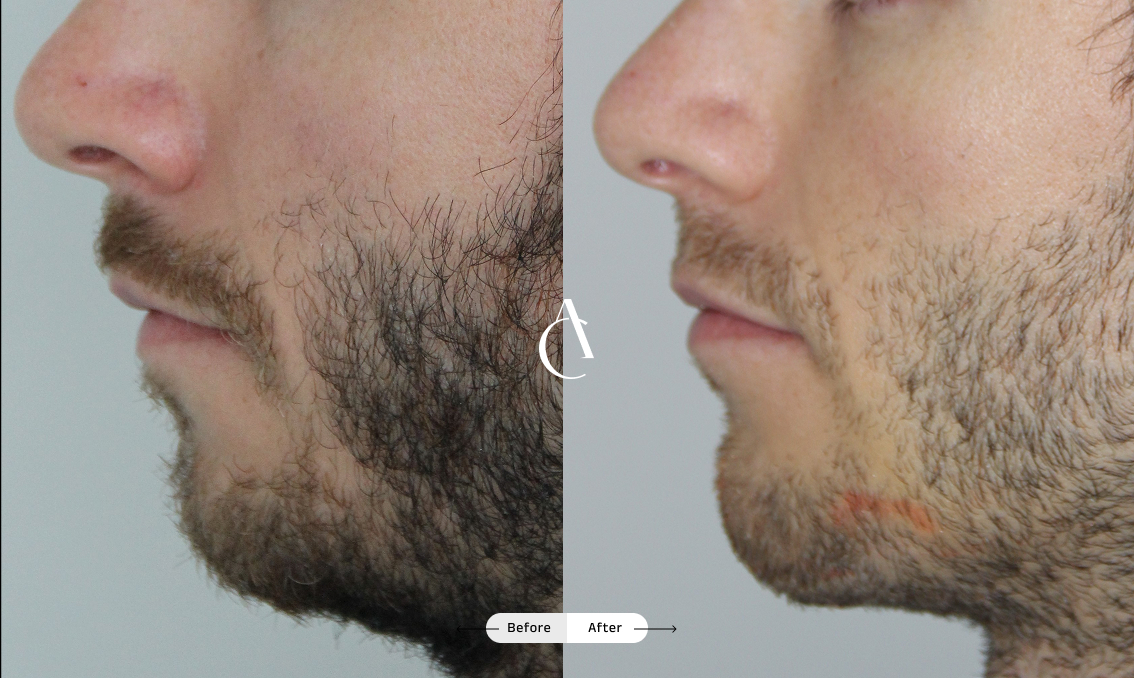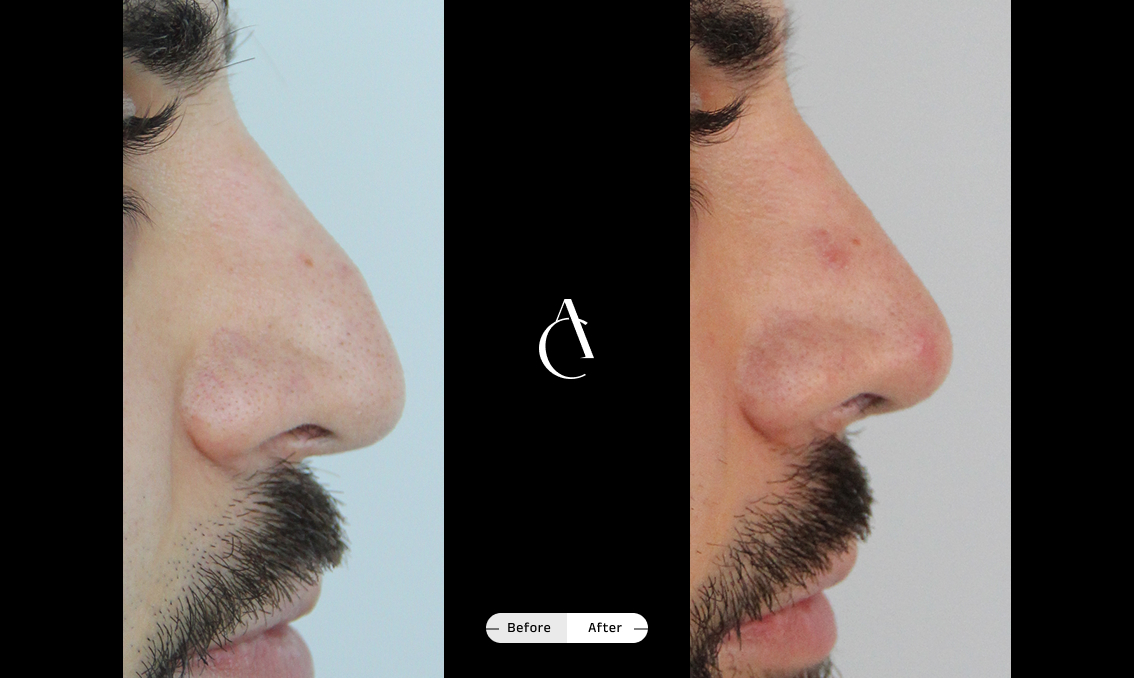

If you’re worried about whether or not you’ll be able to breathe through your nose again after a nosejob, the short answer is yes – any congestion is temporary and will improve as the swelling in your delicate nasal tissues begins to subside. Have a read of this article to set your mind at ease and learn what to expect in more detail.
Can you breathe through your nose after a nosejob?
We’ll be honest: the first few days after your surgery, you’re likely to find that breathing through your nose is limited. There are a few things that cause this: dried blood or mucus, nasal splints and above all swelling can all contribute to a feeling of congestion, a bit like having a heavy cold. And just like when you have a cold, you’ll probably feel pressure inside your nose and airflow will be minimal.
This is totally normal and nothing to worry about, but it’s really important not to force airflow through your nose by blowing it too soon. We’ve discussed this in another article on when you can safely blow your nose after rhinoplasty. As the swelling goes down in the days after surgery, you’ll be able to breathe more easily again.
When can you breathe through your nose after rhinoplasty?
So, how long after rhinoplasty can you breathe through your nose normally? Let’s start by defining what we mean by normal breathing. This generally means comfortable airflow through both your nostrils, with no significant congestion or blockage, and no need to breathe through your mouth when you’re at rest.
Although rhinoplasty recovery looks different for every patient, here’s what the timeline typically looks like for breathing through your nose.
- Immediately after surgery: minimal airflow through your nose due to swelling and splints
- 5 to 7 days: light airflow resumes and splints are removed
- 2 to 3 weeks: there’s a noticeable improvement in airflow and comfort levels
- 6+ weeks: for complex and revision rhinoplasties it may take six weeks for breathing to improve again
For most people, breathing is more or less fully back to normal after six to eight weeks, by which time the swelling of the delicate nasal tissues has subsided. Full healing will continue for another six to twelve months, with tissues further softening and potentially enabling even more improvement in airflow. If you’ve had rhinoplasty to improve your breathing, such as a deviated septum repair, your breathing will be even better than it was before once the swelling subsides!

Images source: Freepik
Breathing through your nose after rhinoplasty: what is normal and what is not?
Understanding what is and isn’t a normal part of the rhinoplasty recovery process helps you know what to expect and also enables you to spot when something might be a problem.
Normal post-op symptoms:
These are some common but usually temporary:
- Mild to moderate congestion – a blocked or ‘stuffy nose’ feeling
- Dryness in nasal passages, potentially with dried blood
- Post-nasal drip or mucus
You’ll likely need to breathe through your mouth for the first few days.
Contact your surgeon if you experience…
- Sharp or increasing pain when you breathe
- Persistent or heavy bleeding
- No airflow at all beyond 4 to 6 weeks
- Foul smell or coloured discharge (this can indicate a possible infection)
- A sudden change in breathing after initial improvement
If you’re in any doubt, always ask your surgeon – it’s better to address any issues promptly to prevent further complications.

Images source: Freepik
Tips to improve breathing after rhinoplasty
There are a few things you can do to help speed up the recovery process and enable your breathing to return to normal. These include:
- Use a saline spray – using a gentle saline spray regularly will help to keep your nasal passages moist
- Don’t blow your nose too early – as we mentioned earlier, it’s important not to blow your nose too soon, as this can disturb healing tissues and cause bleeding
- Elevate your head at night – prop your head on cushions or a recliner at night, as this helps reduce the swelling and pressure in your nose
- Avoid dust and other irritants – dust, smoking and other irritants can worsen congestion and slow your healing, as can dry air
- Do as your surgeon advises – you’ll be given a personalised after-care plan, and it’s important to stick to it to give yourself the best chance of recovery
If you follow these tips you can expect a gradual improvement in your breathing in the days and weeks after rhinoplasty surgery. Congestion is normal but temporary, so you’ll need to be patient and follow your post-op care plan. While breathing through your nose is limited to begin with due to swelling and splints, light airflow will return after around a week, and you’ll be breathing much more easily six weeks into your recovery.
If you’re exploring the possibility of rhinoplasty surgery, the first step is a personal consultation with Dr. Cuno at his clinic here in Geneva. Your path to natural, balanced results starts here: book your appointment with Dr. Cuno today.
Images source: Freepik