Concerns about complications, and even the possibility of death, can feel alarming. The reality, however, is far more reassuring when you understand the actual level of risk involved.
Is rhinoplasty risky or generally safe?
Rhinoplasty is generally considered a very safe procedure, particularly when it’s performed by a qualified and experienced surgeon like Dr. Cuno. It’s been refined over decades and is now one of the most common cosmetic surgeries globally. Thousands of procedures are performed every year with high success rates and patient satisfaction.
That said, rhinoplasty is still a surgical procedure, which means it carries some level of risk, just like any operation, whether cosmetic or medical. These risks can range from minor, temporary side effects to more significant complications, though the latter are uncommon. Safety depends heavily on the surgeon’s expertise, the clinical environment and your overall health. When these factors are carefully managed, the likelihood of serious issues is very low.
Can you die from a nose job?
Dying from a nose job is extremely rare, and deaths associated with rhinoplasty aren’t typically caused by the surgery itself. They’re usually linked to:
- Complications from general anaesthesia
- Undiagnosed or severe underlying medical conditions
- Serious infections or adverse reactions (very rare)
Importantly, the level of risk is comparable to other elective surgeries performed under similar conditions, and modern surgical practices have significantly reduced these risks. Before any procedure, you undergo thorough medical screening to ensure you’re fit for surgery. Anaesthesia is administered by trained professionals who monitor your vital signs continuously throughout the operation. This means that when rhinoplasty is carried out in a reputable clinic by an experienced surgical team, the risk of life-threatening complications is extremely low.
What are the most common rhinoplasty complications?
While serious risks are rare, there are some more common complications to be aware of with rhinoplasty. These are typically manageable and not life-threatening, and include:
- Infection – as with any surgery, there is a small risk of infection. This is usually prevented or treated effectively with antibiotics.
- Bleeding – minor bleeding is expected after surgery, but excessive or prolonged bleeding is less common and may require medical attention.
- Swelling or prolonged healing – swelling is a normal part of recovery, but in some cases it can last longer than expected, delaying the final result.
- Breathing difficulties – some patients experience temporary nasal obstruction during healing. In rare cases, structural changes may affect airflow and require further treatment.
- Asymmetry or dissatisfaction – because your nose is such a central facial feature, even small irregularities can be noticeable. Some patients may feel the result doesn’t meet their expectations, occasionally leading to revision rhinoplasty surgery.
It’s important to understand that these complications aren’t life-threatening. They’re part of the broader risk profile of rhinoplasty, but they’re usually manageable with proper care and follow-up.
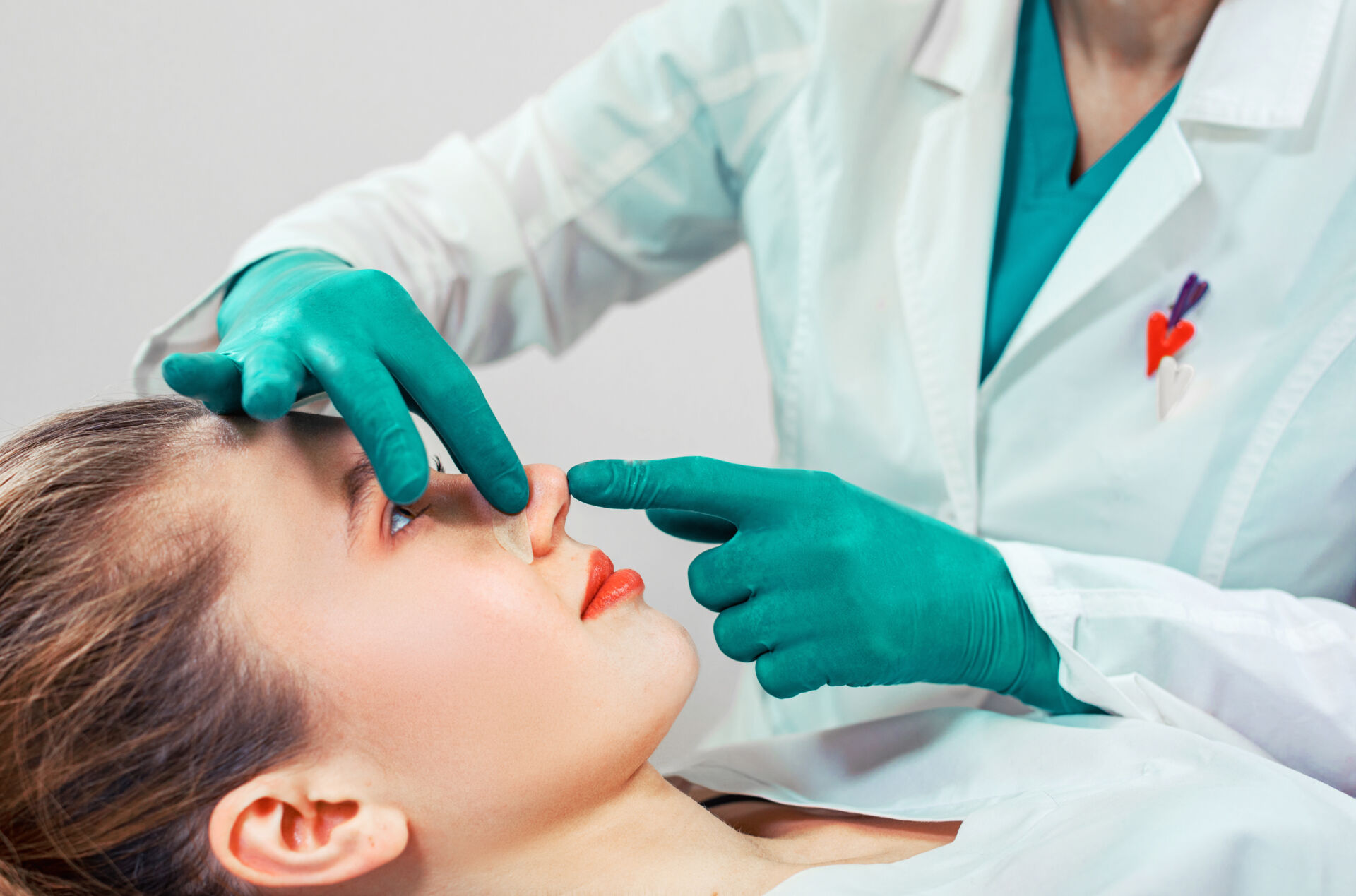
 Images source: Envato
Why are risks higher in nose surgery?
Rhinoplasty is often considered one of the more complex cosmetic procedures, and for good reason. Your nose is a central, highly visible feature of your face, and even minor changes can have a significant impact on your overall appearance. At the same time, your nose plays a critical role in breathing, meaning the surgery must balance both aesthetic and functional outcomes.
Several factors contribute to the complexity of this type of surgery:
- Delicate anatomy – your nose is made up of bone, cartilage and soft tissue, all of which must be carefully reshaped and supported
- Limited margin for error – small adjustments can produce noticeable differences
- Variations in cartilage structure and skin thickness – these affect how your nose heals and how the final result appears
Because of this, rhinoplasty requires a high level of precision and experience, and the more complex the case, the greater the need for surgical expertise. This complexity doesn’t make rhinoplasty unsafe, but it does mean that choosing the right surgeon is especially important.
How to minimise the risks of rhinoplasty
The good news is that most risks associated with rhinoplasty can be significantly reduced with the right preparation and care. Here are some things to keep in mind:
Choose an experienced facial plastic surgeonThis is the single most important factor. Look for a surgeon like Dr. Cuno, who specialises in rhinoplasty, has a strong track record and can demonstrate consistent results.
Be honest about your medical historyFully disclose any health conditions, medications or previous surgeries you’ve had – this allows your surgical team to plan safely and avoid complications.
Stop smoking before surgerySmoking can impair healing, increase the risk of infection and affect your final result. Most surgeons recommend stopping well in advance of the procedure.
Follow all aftercare instructionsPost-operative care is crucial. This includes avoiding strenuous activity, protecting your nose from impact and attending follow-up appointments.
Avoid travelling too soonStaying close to your surgeon in the early stages of recovery ensures that any concerns can be addressed quickly.
By taking these steps, you can greatly reduce the likelihood of complications and make sure your recovery goes as smoothly as possible. Rhinoplasty is safe in the vast majority of cases, with serious risks and death being extremely rare. Like any surgery, it’s not completely without risk, but those risks are well understood and carefully managed in modern medical practice. Ultimately, the safety of your procedure depends on two key factors: the expertise of your surgical team and how closely you follow recovery guidance.
Book a consultation with Dr. Cuno for a personalised assessment, honest guidance and a treatment plan designed to minimise risk and maximise long-term results.