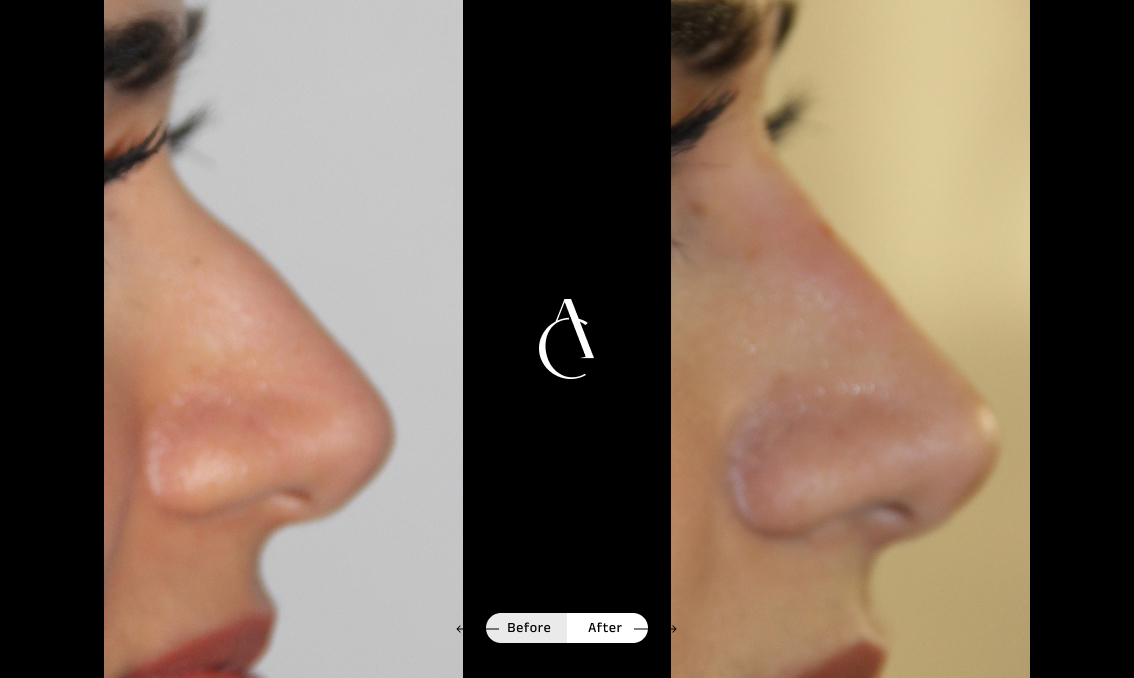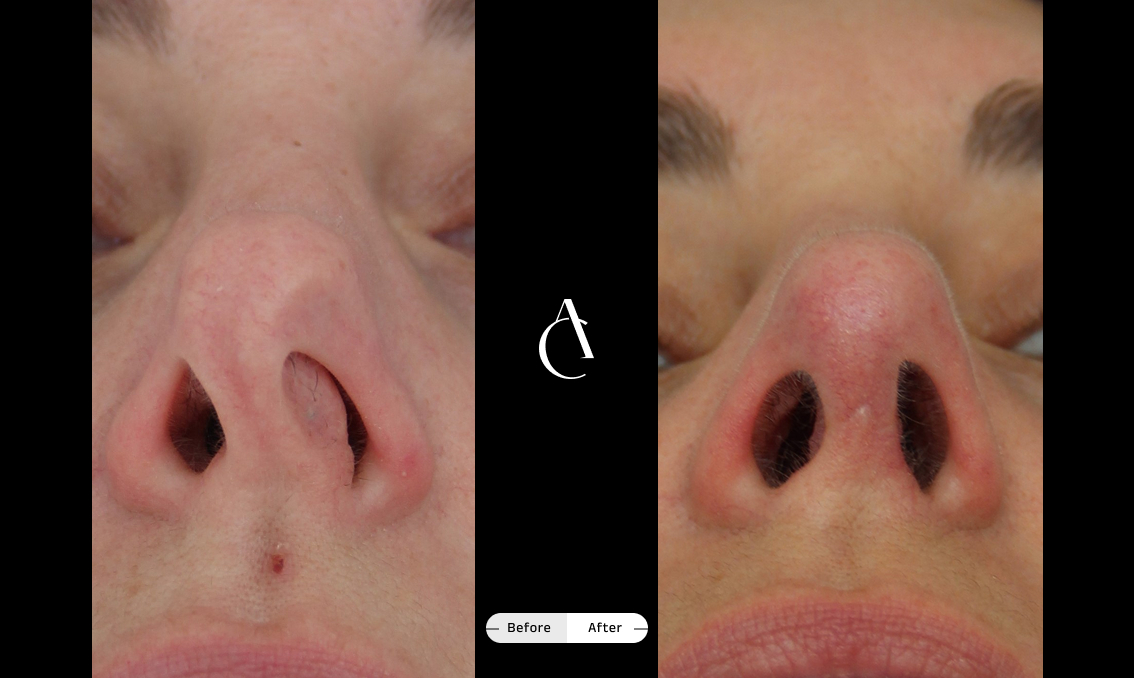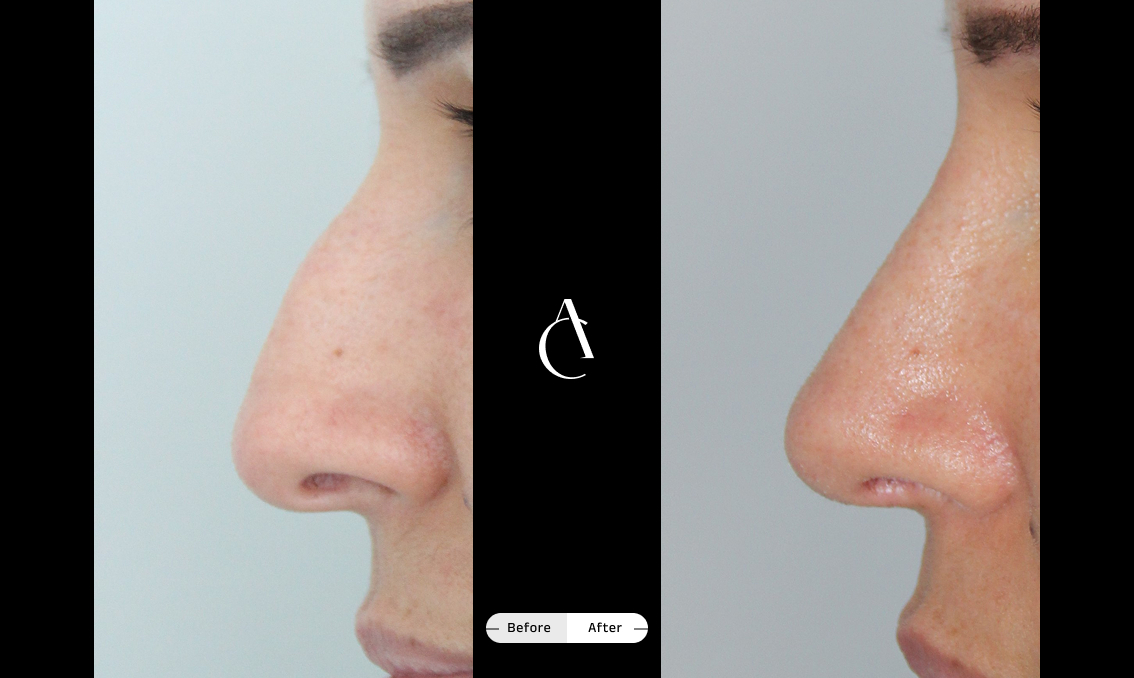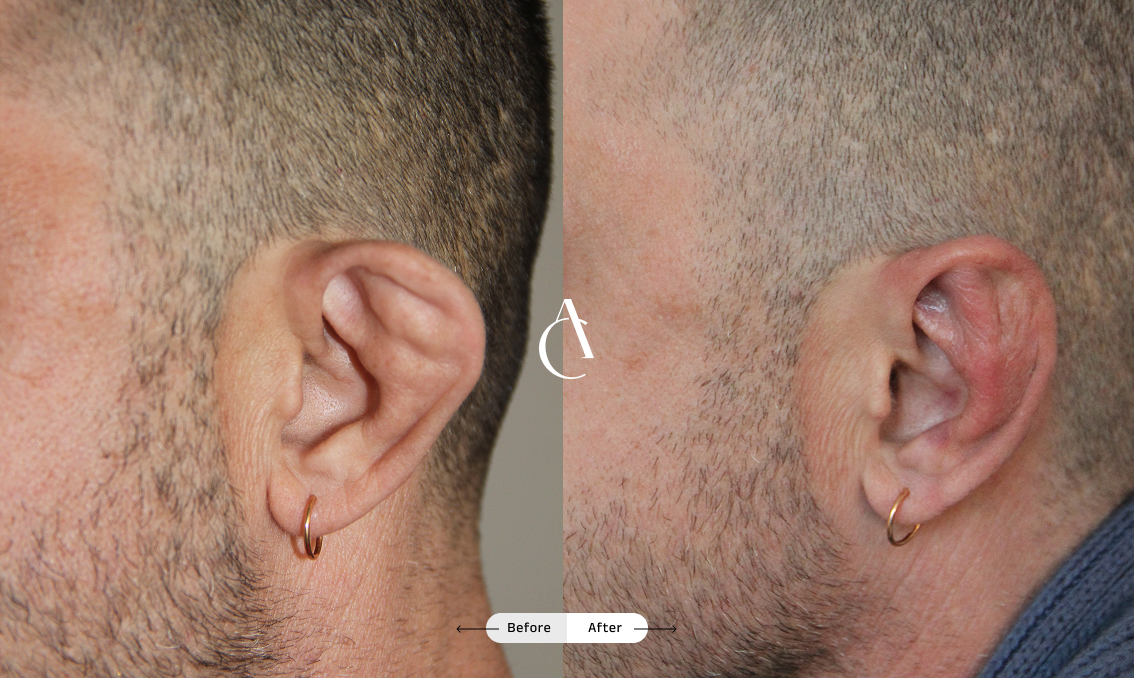

One of the most common concerns patients ask Dr. Cuno about is whether cartilage can shift after rhinoplasty – especially when bumps, asymmetry or subtle changes appear. Understanding what is and isn’t normal during healing can make the recovery process far less stressful, so here’s everything you need to know.
Can cartilage move after rhinoplasty?
We’ll get straight to the point: true cartilage movement after rhinoplasty is very rare. During surgery, your nasal cartilage is carefully reshaped, repositioned and stabilised by an experienced surgeon like Dr. Cuno. Surgeons use techniques such as suturing, grafting and structural support to make sure that your new nose shape remains secure as your nose heals.
What many patients interpret as “movement” is usually something else entirely. In the weeks and months after your surgery, your nose goes through a complex healing process. During this time, swelling, fluid retention and tissue remodelling can all create the appearance of change, and these fluctuations are normal and expected. It can take up to 12 months (or even longer) for your nose to settle and for the final result of your surgery to become apparent.
Why do bumps appear after rhinoplasty?
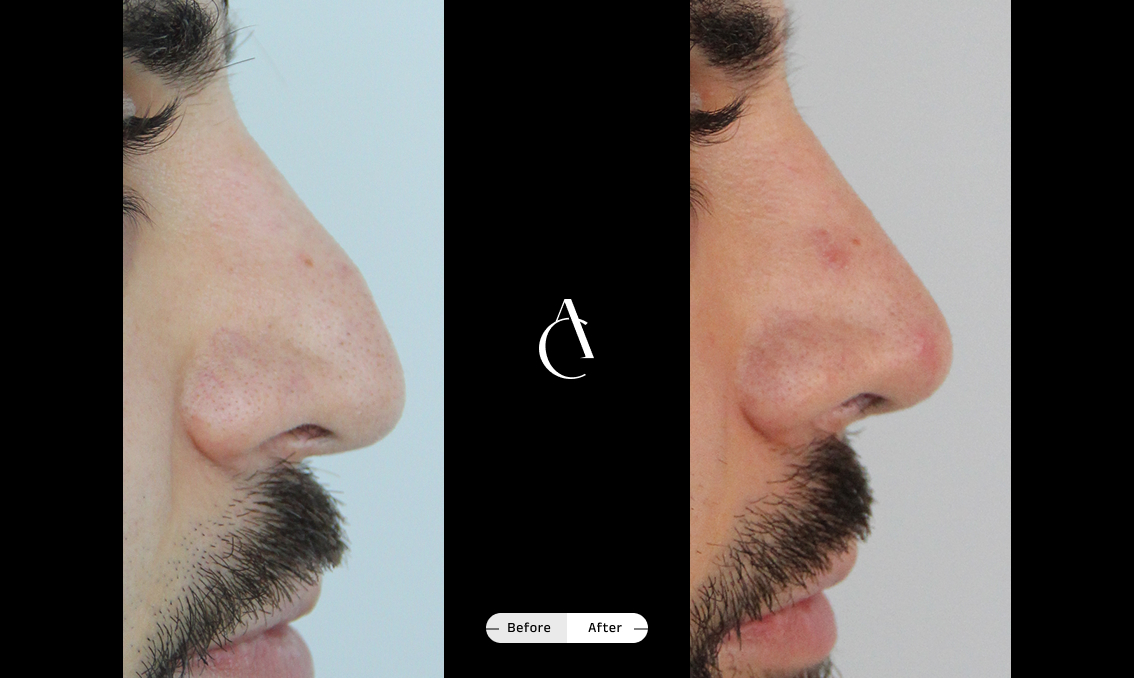
A bump appearing is a common post-surgery concern, either on the bridge of your nose or inside your nasal passage. This can be alarming, but in most cases, it’s a normal part of recovery and it’s only temporary. There are several reasons why a bump might develop:
- Swelling – this is the most common. It happens because swelling doesn’t always settle evenly after rhinoplasty and some areas retain more fluid than others. This creates temporary bumps or uneven contours, and while it’s especially common in the early weeks, it can persist subtly for several months.
- Scar tissue formation – as your body heals itself, it produces scar tissue beneath your skin. This can feel like a firm bump and may take time to soften and integrate with the surrounding tissues.
- Bone or cartilage irregularities – even with precise surgical techniques, very small irregularities in bone or cartilage can become more noticeable as swelling decreases. These are often minor and may smooth out naturally over time.
- Healing asymmetry – the nose rarely heals in perfect symmetry. The swelling on one side may reduce faster than the other, creating a temporary imbalance that looks like a bump or deviation.
Remember, most bumps, whether after rhinoplasty or septoplasty, are temporary and often resolve gradually as your nose heals.
What can cause cartilage displacement after rhinoplasty?
Although rare, there are certain situations where cartilage displacement can occur. These are typically linked to external factors or complex surgical cases. These include:
- Trauma – any physical impact to the nose during recovery can affect its delicate healing structures. In the first days and weeks after surgery, your nose is especially vulnerable to things like accidental bumps, pressure from your glasses or even sleeping face down.
- Poor healing or weak cartilage support – some patients have naturally weaker or less stable underlying cartilage, which means it has a small risk of shifting as tissues settle.
- Infection – post-op infections are uncommon, but can interfere with normal healing and compromise structural integrity if they’re not treated promptly.
- Complex or revision rhinoplasty – patients undergoing revision surgery or significant structural correction may have a slightly higher risk of complications, including displacement.
- Excessive pressure – blowing your nose too soon after surgery can create internal pressure that disrupts delicate healing tissues, so surgeons typically advise avoiding it for a specific period.
You can reduce all these risks by following your surgeon’s post-operative instructions carefully.
Images source: Envato
How often does cartilage actually move after nose surgery?
In practice, it’s extremely uncommon to experience true cartilage movement after rhinoplasty, particularly when it’s been performed by an experienced surgeon like Dr. Cuno using modern techniques. It’s more likely with revision surgery or complex structural alterations.
It’s also important to distinguish between perceived movement – the noticeable but normal swelling that makes your nose look different from day to day – and actual displacement, a genuine medical issue where cartilage has shifted from its intended position. This is rare and usually associated with trauma, complications or complex surgical history.
Can cartilage movement affect breathing or results?
A significant shift in cartilage could potentially affect both the appearance and function of your nose after surgery. In more serious cases, it could interfere with the airflow through your nose and lead to breathing difficulties or congestion, requiring medical assessment. However, minor irregularities are more likely to affect the appearance of your nose than its function, with subtle effects such as slight asymmetry or contour changes.
Images source: Envato
Can pressure reshape nose cartilage after surgery?
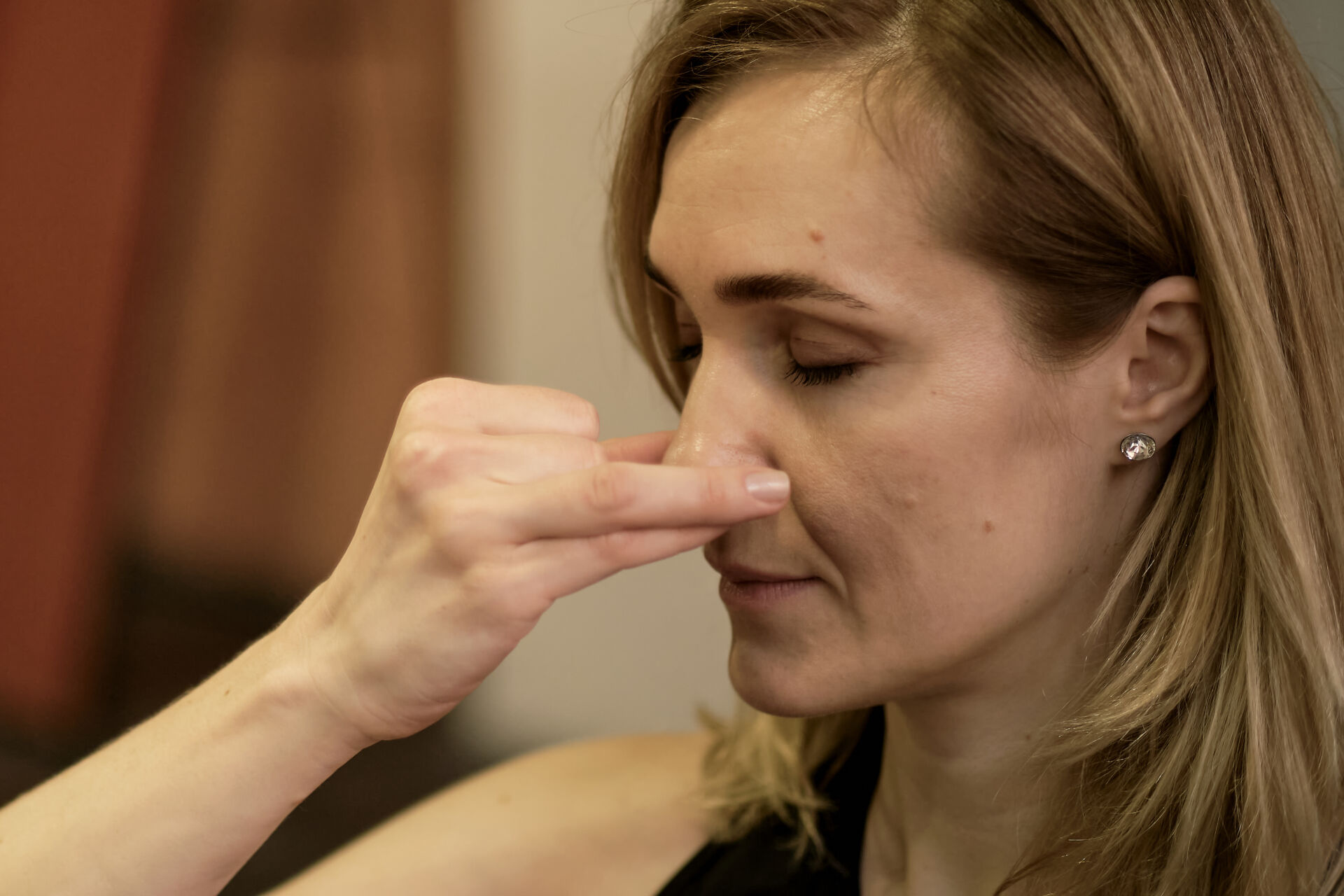
The answer depends on timing. In the first few weeks, yes it can, to a limited extent. The cartilage and surrounding tissues are still stabilising, and external pressure can influence the final shape. This is why you’re advised to avoid touching or pressing your nose or wearing heavy glasses. However, once healing is complete and tissues have stabilised, cartilage can’t be reshaped by external pressure alone. To avoid any issues, it’s important to follow your surgeon’s post-operative care instructions carefully, especially during the early stages of recovery.
How to tell if something is wrong after rhinoplasty
While most changes to your nose during the recovery period are normal, it’s important to recognise any signs that may indicate a problem. These include:
- A persistent or growing bump that doesn’t improve over time
- Visible asymmetry that becomes more pronounced after the swelling has reduced
- On-going pain or pressure, particularly if it worsens
- Breathing difficulties or nasal obstruction
Timing is crucial here. In the early weeks, any irregularities you notice are almost always related to swelling. However, if issues continue beyond 3 to 6 months, consult your surgeon for an assessment.
What happens if cartilage displacement is confirmed?
It’s rare, but if you’re found to have true cartilage displacement there are several possible approaches depending on its severity. In mild cases, you may not need to do anything at all, as it’s often a question of waiting to see how your nose continues to heal.
Some smaller irregularities can be managed with non-surgical treatments, such as fillers, to improve the contour and symmetry. In more significant cases, a secondary procedure known as a revision rhinoplasty may be recommended to correct the issue. This is typically only considered once healing from the initial surgery is complete.
Most concerns are temporary, not structural
It’s natural to feel concerned about changes to your nose after rhinoplasty, but in most cases, any issues are part of the normal healing process. Bumps don’t usually mean cartilage has moved, and it’s actually swelling and scar tissue that cause most irregularities. True cartilage displacement is rare, especially with experienced surgeons, but healing takes time – often up to 12 months or more.
Patience is an essential part of the rhinoplasty process, because the nose you see in the first few weeks is not your final result. Always follow your surgeon’s post-op care advice and stay aware of any unusual or persistent changes. With the right care, the vast majority of patients achieve stable, long-lasting results without complications. If you’re worried, consider booking a consultation with Dr. Cuno to review your symptoms and discuss the best next steps.