
When can you start brushing your teeth after rhinoplasty?
While brushing your teeth doesn’t feel strenuous, it can still pull on the muscles at the base of your nose. Depending on how you feel, you’ll normally be able to brush your teeth gently between 24 and 48 hours after your surgery. If your swelling or stitches extend down to your upper lip, your surgeon may advise you to wait for a bit longer.
You’ll need to rest for the first day after surgery, and your surgeon may ask you to avoid brushing your teeth and any other unnecessary facial movements until the initial post-surgery discomfort has subsided. This includes opening your mouth wide, such as yawning or smiling.
Your own after-care will depend on what you’ve had done during your rhinoplasty, as different techniques and types of work can affect different parts of your nose and its internal tissues and structures. Always follow your surgeon’s personalised advice on post-surgical care.
Images source: Envato
Is brushing your teeth after rhinoplasty safe?
Yes, it’s safe to brush your teeth after rhinoplasty, but you’ll need to be extra careful and gentle so that you don’t put any unnecessary pressure on the delicate nasal tissues as they heal. To do this:
-
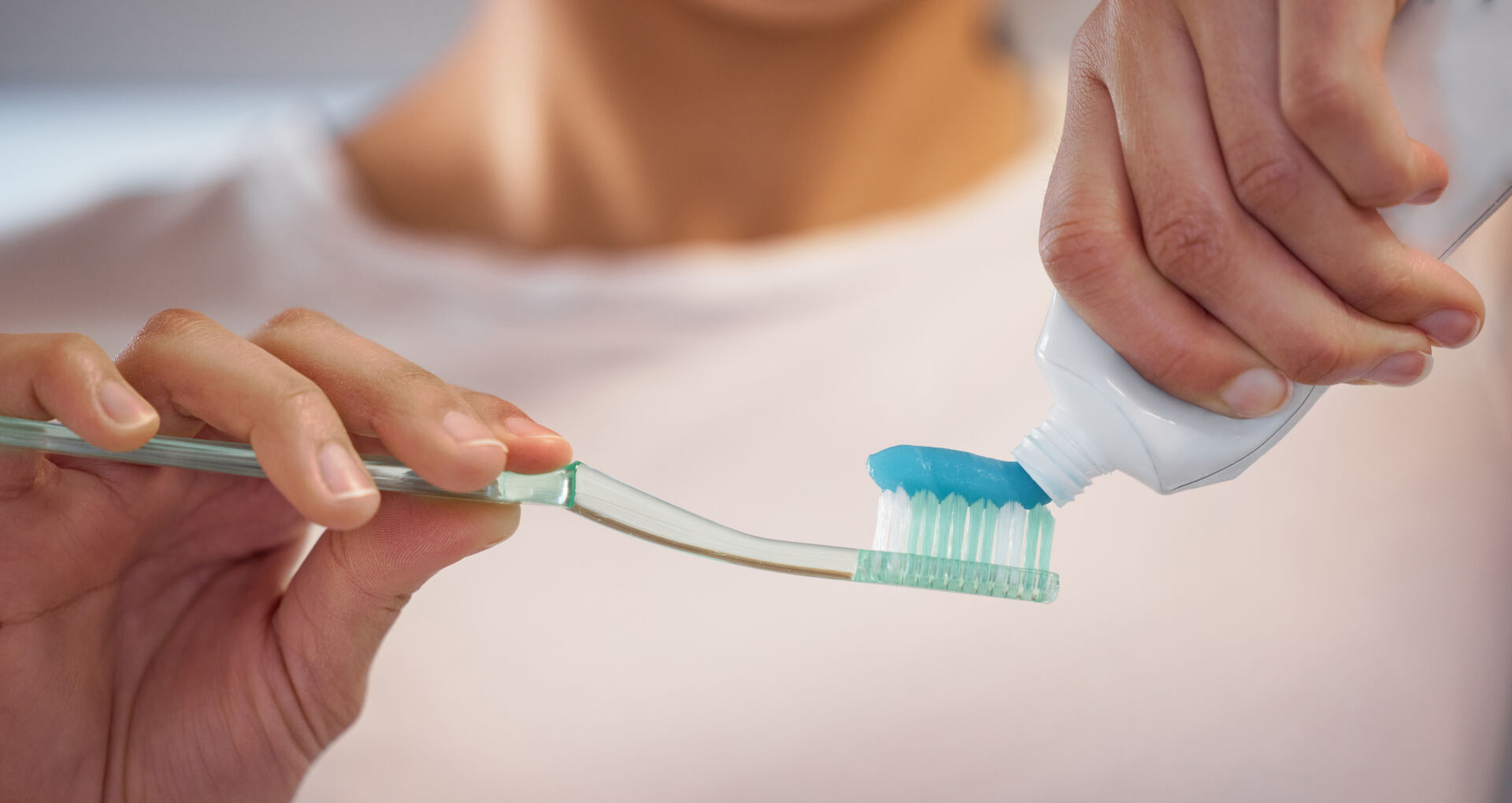
- Don’t use an electric toothbrush during the first week or two – the vibration may disturb your sensitive nasal structures.
- Use a soft-bristled toothbrush – ideally a smaller one, like a child’s, which will allow more control.
- Keep movements slow and controlled, focusing on a gentle motion and making sure you don’t lift your upper lip too much.
- Only clean the visible surfaces of your teeth at first – don’t force movements or apply any pressure.
- Only clean the visible surfaces of your teeth at first – don’t force movements or apply any pressure.
- Use alcohol-free mouthwash – choose a gentle, non-irritating rinse to keep dryness or irritation at bay.
- Take extra care when flossing – very gently use a floss pick or a water flosser on a low setting, being careful not to open your mouth too wide.
- Stay hydrated – this is especially important when you’re breathing through your mouth more than normal.
Following these oral hygiene tips should keep brushing your teeth more comfortable as well as protecting your nose while it heals.
Why do your teeth hurt after rhinoplasty?
Discomfort in your teeth is a strange but very common side effect of rhinoplasty surgery. It happens because the swelling in your nose puts pressure on the other nerves around it, including one called the infraorbital nerve, which gives you sensation in your upper teeth and gums.
That’s why you may notice a bit of numbness in your upper jaw or gumline if you’ve had extensive internal work, such as septoplasty. You may also find that you get a bit of muscle tension because you’re less able to move your lips and open your mouth. This can make brushing your teeth feel a bit strange, or even slightly painful.
Don’t worry – these symptoms should subside in a week or two as the swelling around your nose reduces and sensation returns to normal.
When can you return to your normal brushing routine?
Post-surgery teeth brushing can feel like a delicate process, but it’s not going to be like this forever. Most patients are able to get back to their normal brushing and flossing routine after around 10 to 14 days, when the swelling has gone down and it feels more comfortable to move your upper lip. At this point, you can go back to using an electric toothbrush and flossing as normal.
That said, always wait for your surgeon to give the go-ahead before returning to your normal brushing routine – they’ll confirm this during your post-op consultation. You may be advised to wait a bit longer if your surgery involved stitches at the bottom of your nose or in or around your mouth.

Images source: Envato
In short: be cautious and protect your results
Maintaining gentle oral hygiene will help protect both your teeth and the long-term results of your nose surgery. Patience is key during the first days after rhinoplasty, so although you can normally brush your teeth soon after, you’ll need to do it very carefully. It’s normal to experience some mild dental discomfort, but if it gets worse or isn’t going away, tell your surgeon straightaway. Always follow their advice, as it’s tailored to your own situation.
Consult a rhinoplasty expert
Worried about recovery steps after your surgery? Book a consultation with Dr. Cuno for personalised post-operative advice and expert guidance throughout your healing journey.