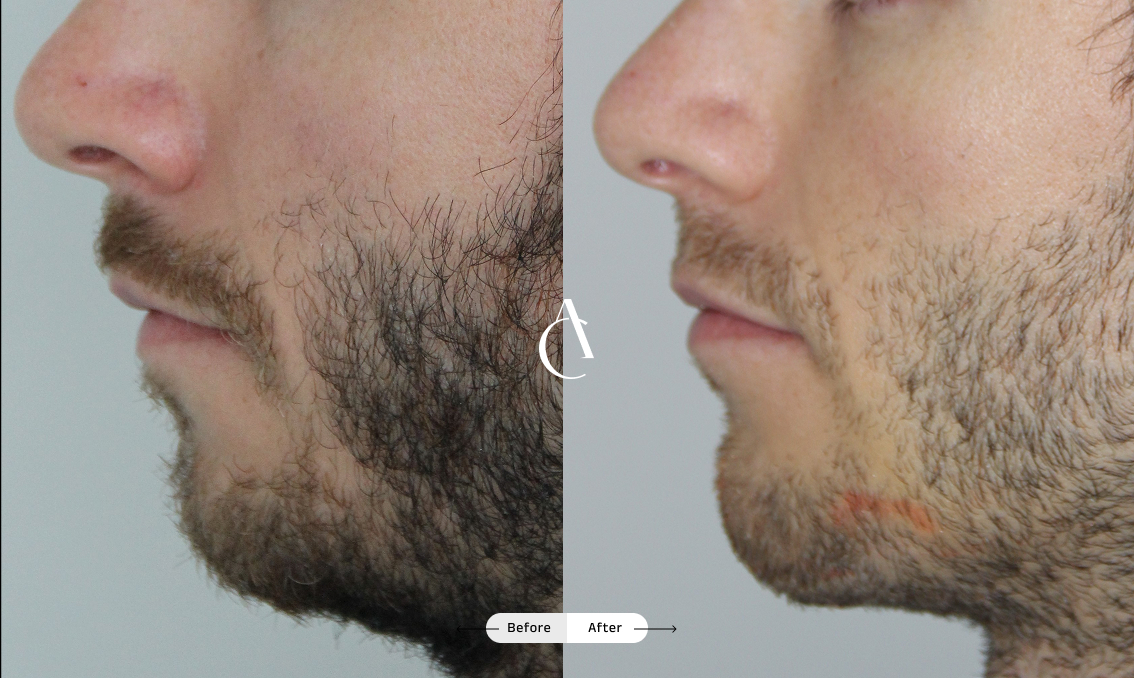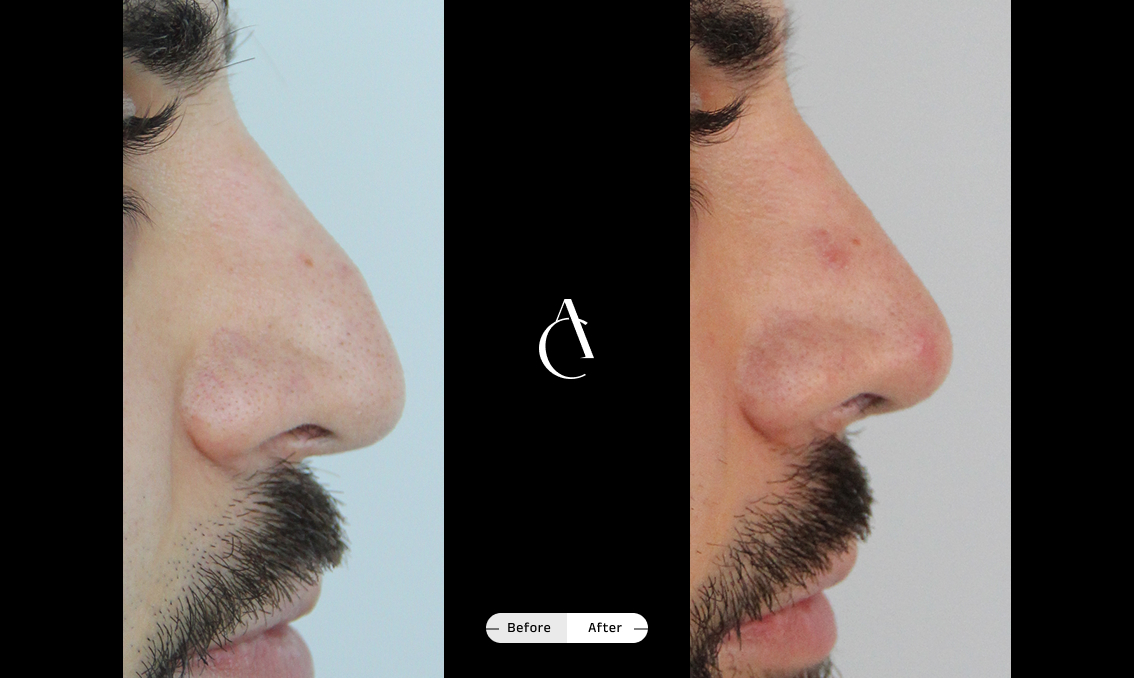

I can’t breathe properly through my nose – what does it mean?
Healthy nasal breathing should feel effortless, quiet and comfortable, allowing air to pass freely through both of your nostrils. When something interferes with this airflow, it can feel like your nose is blocked, narrow or congested.
Some people describe feeling a constant stuffy sensation, while others notice pressure around their nose or sinuses, noisy breathing or the need to breathe through their mouth – especially at night. You might also wake up feeling dry or notice that it’s harder to exercise because your nasal breathing feels restricted.
Common reasons you can’t breathe well through your nose
There are several possible explanations for why you can’t breathe properly through your nose, and sometimes there may be more than one factor involved. Some possible causes include:
- Deviated septum: the septum is the wall dividing the nostrils. If it’s crooked or displaced, airflow can be reduced on one or both sides. This is a common reason people wonder why they can’t breathe properly through their nose.
- Enlarged turbinates: these internal structures help filter and humidify air, but when they’re swollen (often due to allergies or irritation), they can obstruct airflow.
- Narrow nasal valves or collapse: the narrowest part of the nasal airway can weaken or collapse during breathing, causing a blocked nose that makes it hard to breathe properly.
- Chronic rhinitis or allergy: persistent inflammation from allergies or irritants can lead to on-going congestion and a feeling of nasal blockage.
- Nasal polyps or chronic sinusitis: soft growths or long-term sinus inflammation can physically block airflow and contribute to pressure and reduced smell.
- Consequences of trauma or previous surgery: injuries or past procedures can alter the structure of your nose, leading to persistent obstruction.
Understanding whether your symptoms are occasional or persistent is the first step toward identifying the cause.
Simple checks and home measures for a blocked nose
While a proper diagnosis requires medical assessment, a few simple observations can help you understand your symptoms better.
To begin with, try these gentle self-checks:
- Try breathing through one nostril at a time to see if one side feels consistently more blocked.
- Notice whether obstruction changes when you’re lying down or switching sides in bed.
- Pay attention to whether exercise or steam improves the airflow temporarily.
You can also try these conservative measures:
- Use saline rinses or sprays to keep your nasal passages moist (follow your clinician’s advice on medicated nasal sprays if prescribed).
- Consider using a humidifier, especially in dry environments.
- Sleep with your head slightly elevated.
- Avoid known irritants, such as smoke or strong fragrances.
Remember, these steps may provide you with short-term relief, but they’re supportive measures and not a substitute for professional evaluation if your symptoms persist.

Images source: Envato
When your blocked nose needs medical assessment
If you’re concerned about persistent nasal obstruction, a specialist can assess airflow, examine internal structures and recommend appropriate treatment options.
You should seek medical advice if your nasal obstruction lasts more than a few weeks, gets progressively worse or begins to interfere with your sleep, work or exercise. Other reasons to arrange an assessment might include frequent sinus infections, snoring, mouth breathing at night or a reduced sense of smell.
If you experience severe facial pain, high fever, sudden swelling or significant difficulty breathing through both sides of your nose, go to your doctor as soon as possible.
Surgical solutions when you still can’t breathe properly through your nose
When medications and conservative treatments don’t resolve the problem, surgery may be the answer – particularly if there’s an underlying structural issue. Common procedures include:
- Septoplasty: to straighten a deviated septum and improve airflow.
- Turbinate reduction surgery: reduces the size of enlarged turbinates while preserving their function.
- Nasal valve repair: strengthens or widens the narrowest part of the airway to prevent collapse.
- Functional rhinoplasty: addresses both cosmetic and functional concerns to optimise breathing.
In some cases, surgeons combine these techniques to address all contributing factors. Treatment is always tailored to your own anatomy, symptoms and goals with the aim of restoring comfortable, natural breathing.

Images source: Envato
How to prepare for a consultation about nasal breathing problems
Make the most of your appointment by coming prepared. Consider bringing:
- A timeline of your symptoms – when they started and whether they fluctuate.
- Any known triggers, such as allergies, infections or seasonal changes.
- Details of previous treatments, including sprays, medications or surgeries.
- History of nasal injury or trauma.
- Information about snoring, sleep quality or breathing issues during exercise.
It can also help to write down questions to ask, such as how your treatment might affect your comfort, gym regime, work or long-term results.
If you’re struggling with on-going nasal blockage and feel you can’t breathe properly through your nose, booking a consultation with a qualified ENT or facial plastic surgeon like Dr. Cuno is the best next step toward finding lasting relief.