The short answer is that you can sneeze after rhinoplasty, and an occasional sneeze isn’t something to panic about. What matters is how you sneeze, and what to check afterwards if it happens unexpectedly.
Why does sneezing matter after a nose job?
A sneeze creates a sudden burst of airflow and pressure, and in the early weeks after surgery, your nose is still healing on the inside. That means healing mucosa, blood vessels, cartilage, and in some cases bone where osteotomies were performed or stitches where incisions were made. Sneezing forcefully through the nose can put pressure on all of that at once, and while it’s unlikely to undo your surgery, it can cause discomfort, a small amount of bleeding, or a temporary flare-up in swelling.
It’s a similar principle to why surgeons ask you to avoid blowing your nose in the early weeks: it isn’t that a single burst of pressure will collapse your results, it’s that healing tissue simply doesn’t need the extra strain while it’s at its most vulnerable.
How should you sneeze after rhinoplasty?
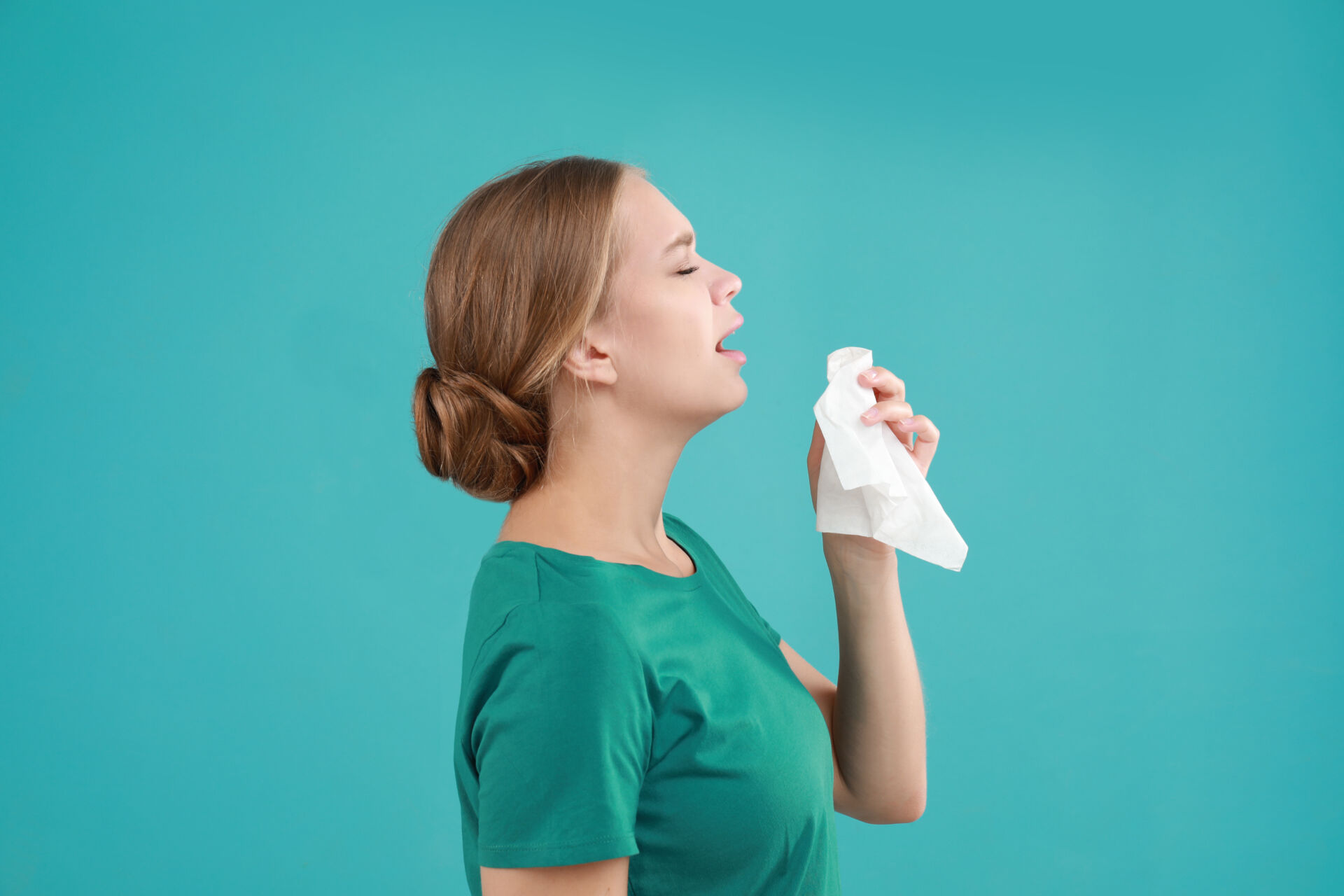
The advice most surgeons give, and the advice worth following, is simple: don’t try to hold it in. Suppressing a sneeze can create just as much internal pressure as letting it out through your nose, sometimes more. Instead:
Keep your mouth open and let a sneeze escape that way rather than through your nose.
Avoid pinching your nostrils shut, even out of instinct.
Don’t blow your nose immediately afterwards.
Try not to clamp your hand over your face reflexively, since that can add pressure of its own.
Follow whatever specific instructions your own surgeon has given you, since these can vary slightly depending on your procedure and how extensive the internal work was.
It sounds like a strange thing to have to think about consciously, but most patients find it becomes second nature within a few days of paying attention to it.
What if you accidentally sneeze through your nose?
If it’s already happened and you sneezed with your mouth closed before you could stop yourself, take a breath before you assume the worst. One sneeze doesn’t automatically mean you’ve damaged your results. What’s worth doing afterwards is a quick, calm check: is there any new bleeding, sudden pain, a noticeable jump in swelling, a visible change in the shape of your nose, or new difficulty breathing? If none of that applies, it’s unlikely to be a sign of a real problem. If any of it does, it’s worth calling your surgical team rather than waiting to see how it settles.
Try not to spend the next hour anxiously checking your nose in every reflective surface you pass. That kind of repeated poking and prodding tends to cause more irritation than the sneeze itself did.
Can sneezing ruin your rhinoplasty results?
It’s worth separating temporary discomfort from anything structural. Minor bleeding, some tenderness or a short-lived increase in swelling are the kind of things sneezing can cause, and they resolve on their own. Genuinely moving cartilage or bone is a different matter entirely, and an ordinary sneeze isn’t the same as direct trauma to the nose, like a knock, a fall or an impact during sport. If you’re more broadly concerned about whether your results have shifted, our article on whether cartilage can move after rhinoplasty goes into this in much more detail, and it’s worth reading if a sneeze has left you second-guessing what you’re seeing in the mirror
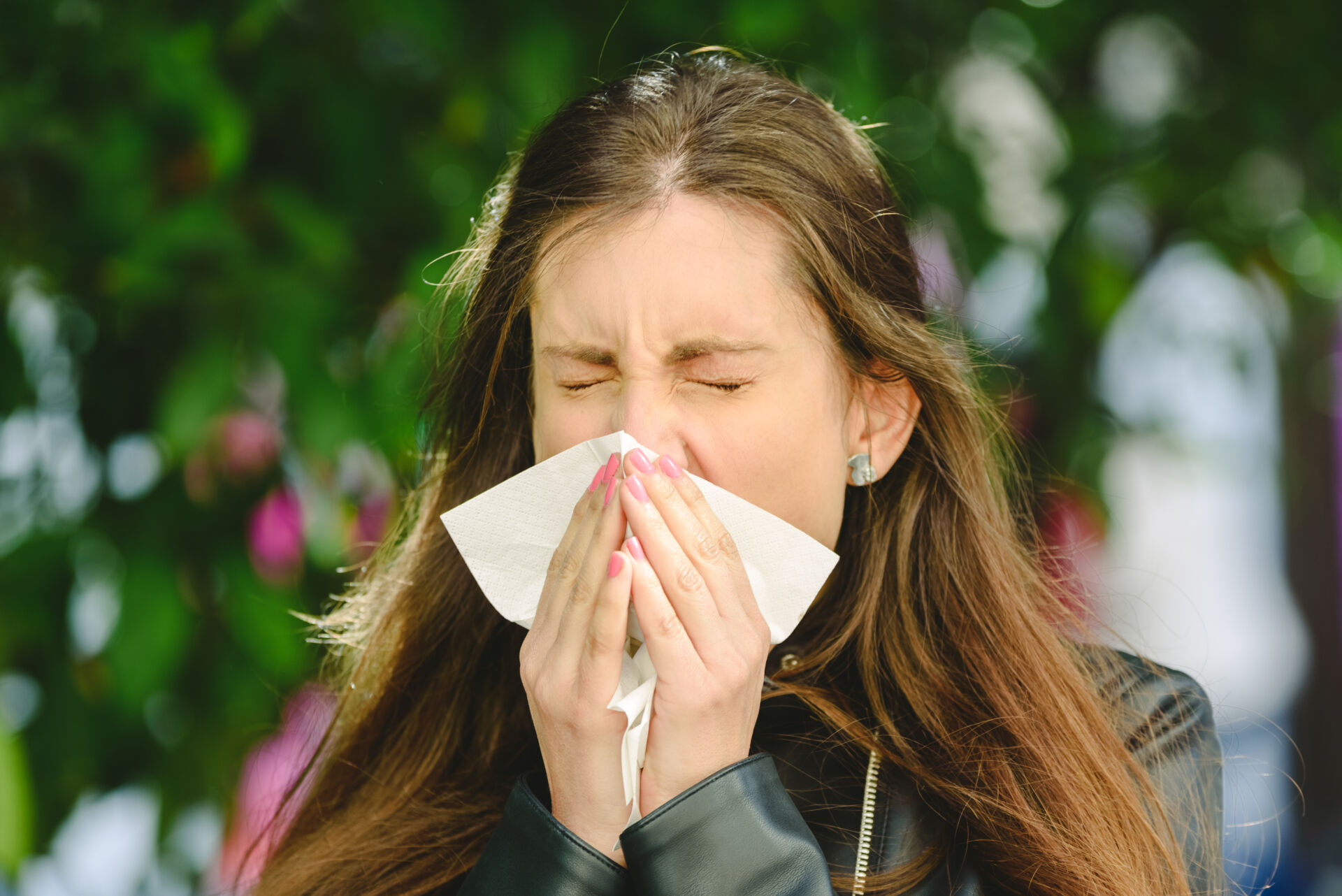 source: envato
Can sneezing cause a nosebleed?
It can, particularly in the earlier stages of recovery when the small blood vessels inside your nose are still healing. There’s a real difference between light spotting, which is fairly common and usually nothing to worry about, and bleeding that’s heavier or doesn’t stop within a few minutes. If it’s the latter, get in touch with your surgeon rather than waiting it out or hoping it settles on its own.
Can sneezing affect your stitches?
This depends on the type of rhinoplasty you had and whether any external incisions were used. Internal sutures are generally well protected from the pressure of a sneeze, and most dissolve naturally over the following weeks regardless. If you had external stitches, your surgeon will usually have already given you specific guidance on protecting the area, and following that closely is more important than worrying about any individual sneeze.
What if allergies make you sneeze repeatedly?
An occasional sneeze is one thing, but repeated sneezing from hay fever or allergies during recovery is a different challenge altogether, and it’s worth planning for if you know it applies to you. Mention any known allergies to your surgeon before your procedure so it can be factored into your recovery plan, especially if your surgery falls during allergy season. Try to avoid your usual triggers where you reasonably can, and don’t self-medicate with antihistamines or decongestants without checking they’re appropriate to take during your recovery, since some can interact with other medications or affect swelling. If allergy season lines up with your surgery date, it’s a conversation worth having with your surgical team in advance rather than after the fact.
How long after rhinoplasty can you sneeze normally again?
There isn’t a single date that applies to everyone here, and it’s worth being wary of anyone who gives you one. It depends on the type of rhinoplasty you had, whether septal work was involved, how extensive the internal surgery was, and how your individual healing is progressing. Restrictions matter most in the earliest stages of recovery and become less critical as your nasal tissues stabilise, which is a gradual process rather than a fixed switch. Your surgeon is best placed to tell you where you are in that process, usually at your follow-up appointments. For a broader sense of what recovery actually looks like week by week, it’s worth reading our guide on rhinoplasty recovery time.
What should you avoid doing after you sneeze?
Resist the urge to immediately blow your nose, press or wipe at it aggressively, or start prodding around inside your nostrils to check everything’s still in place. Constantly touching or examining your nose after a sneeze tends to cause more irritation than the sneeze itself, and it’s a habit that’s easy to fall into without noticing. If you’re unsure when it’s safe to start clearing your nose properly again, when you can blow your nose after rhinoplasty covers that timeline in full, and it pairs naturally with this one.
Does sneezing feel different after rhinoplasty?
Plenty of patients notice that sneezing feels odd for a while after surgery, whether that’s a strange pressure sensation, muffled airflow, or simply a heightened awareness of their nose during the act itself. This is usually just a side effect of swelling and healing tissue rather than a sign anything’s wrong, and it tends to fade as your congestion improves and the internal swelling settles over the following weeks and months.
When should you contact your surgeon?
Most sneezes come and go without consequence, but get in touch with your surgical team if a sneeze is followed by persistent or heavy bleeding, a sudden increase in pain, unusual or significant swelling, any visible change in the shape of your nose, or new breathing difficulty. None of these are common, but they’re the signs worth acting on rather than monitoring yourself for a few days to see what happens.
Book a consultation with Dr Cuno
If you have questions about sneezing, breathing or generally protecting your results while you recover, Dr Cuno can give you advice specific to your procedure and where you are in your healing. Get in touch via the contact page to arrange a consultation.