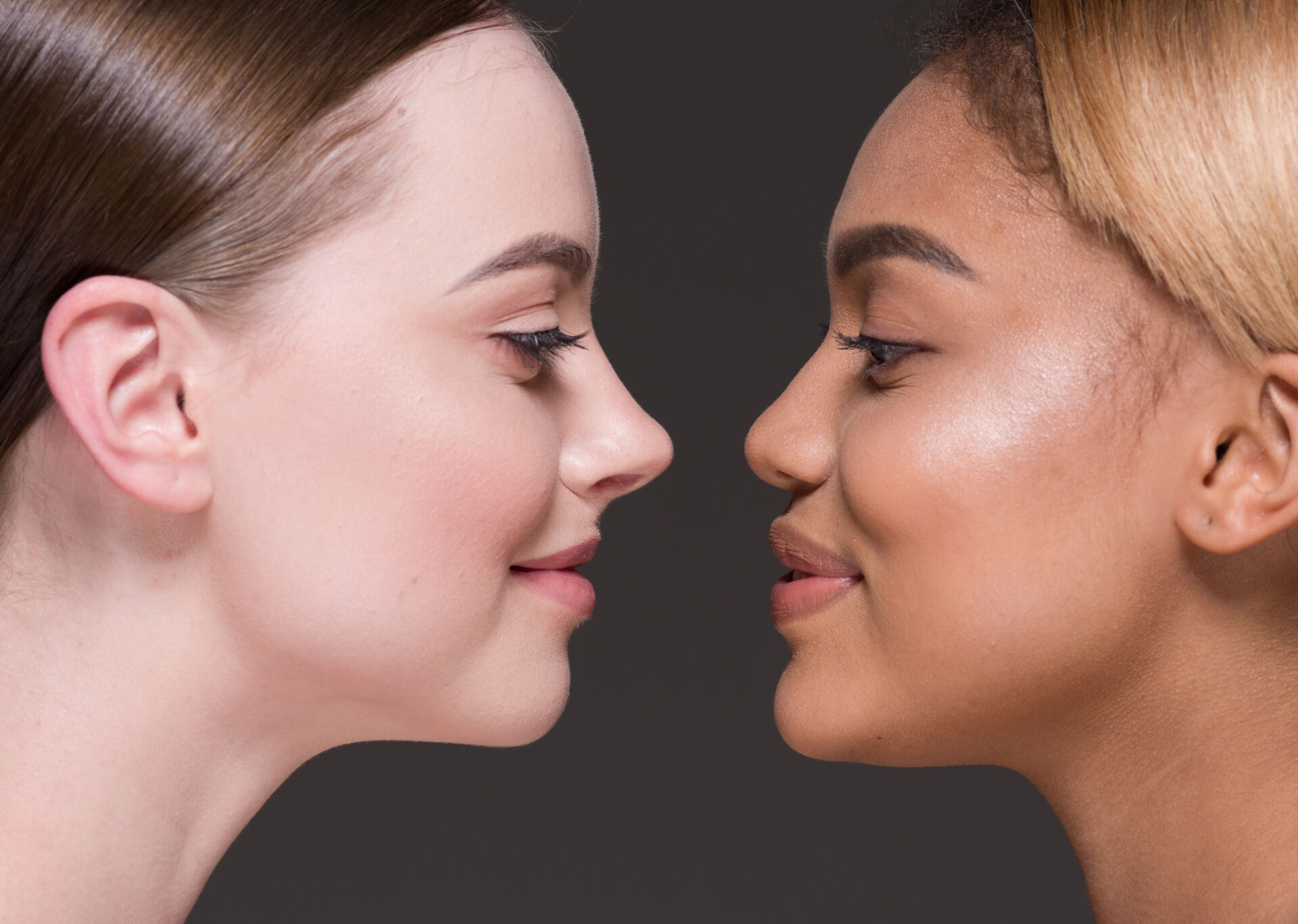
The answer is sometimes, but usually only if the surgery looks unnatural or you’ve seen clear before-and-after changes. Here’s what you need to know about the subtle signs of rhinoplasty, what separates natural results from obvious ones, and why the best nose jobs often go unnoticed.
Can you really tell if someone had a nose job?
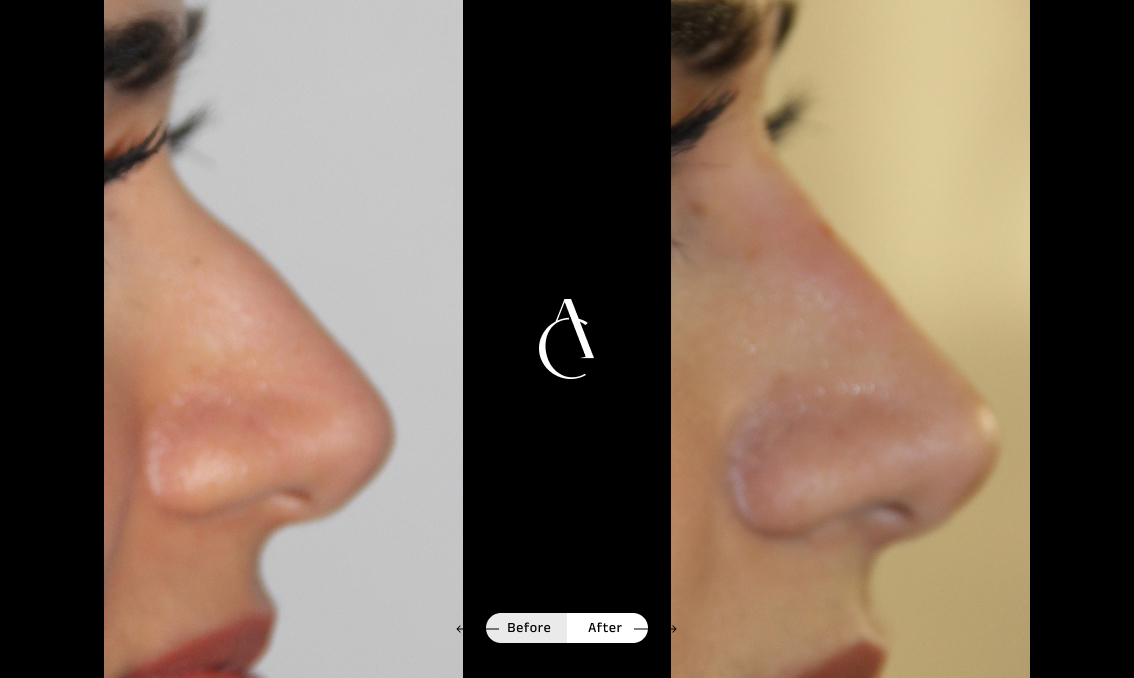
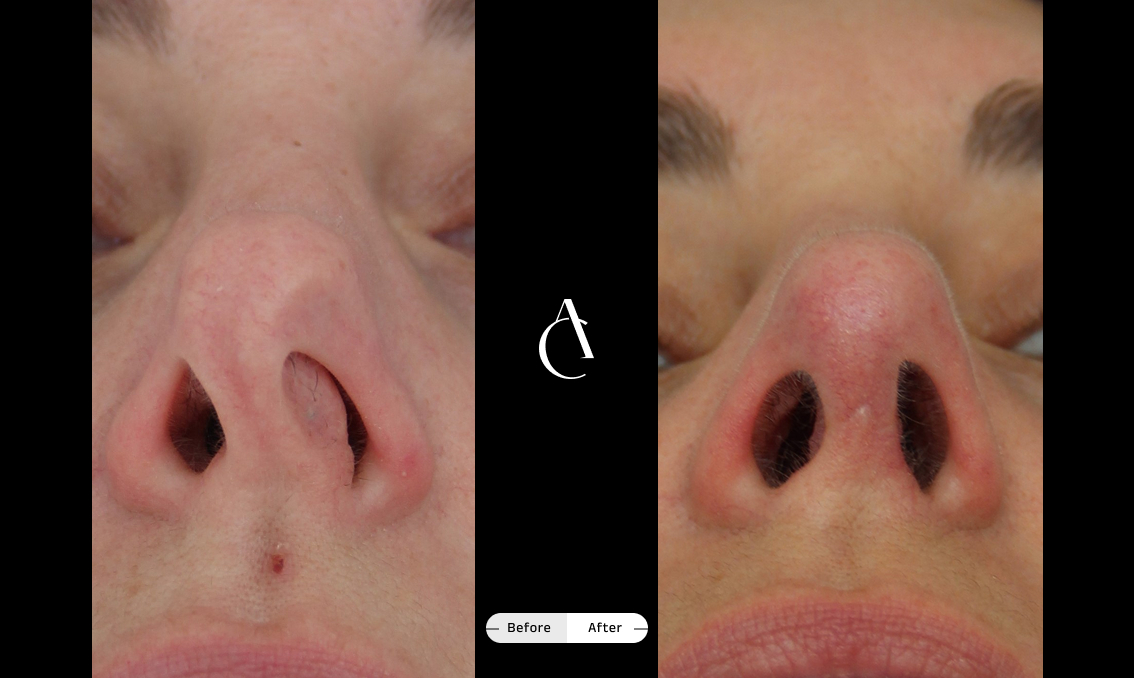
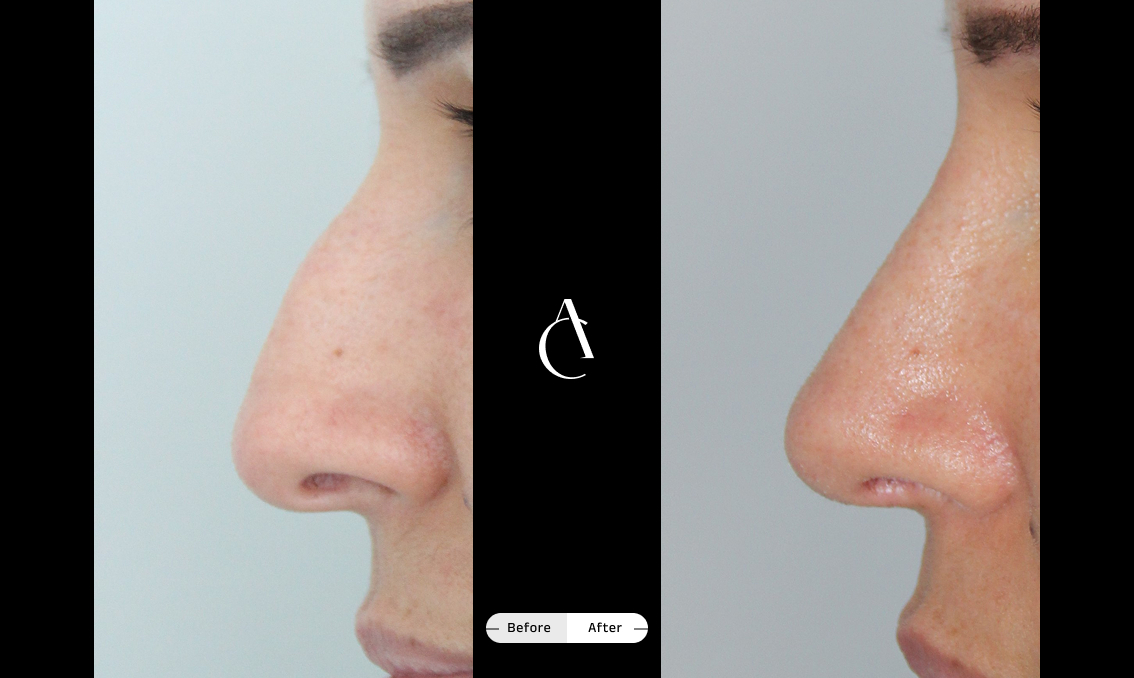
In most cases, a well-performed rhinoplasty is extremely difficult to detect. Modern rhinoplasty focuses on refinement, facial harmony and preserving natural character. The goal is not to create a “perfect” or obviously altered nose – it’s to make your nose fit your face more naturally.
When surgery is performed by a skilled surgeon like Dr. Cuno, the changes are balanced and proportional. The nose still suits your facial structure, and other features, such as your eyes or smile, may stand out more naturally.
By contrast, poorly performed rhinoplasty is often much easier to notice. Overly sculpted noses, pinched nostrils or exaggerated profiles can make surgery appear obvious. Whether a nose job is detectable or not usually depends on:
- The surgeon’s technique and experience
- How dramatic the changes were
- The patient’s anatomy and healing process
- Whether the goal was subtle refinement or major transformation
Ultimately, the best rhinoplasty results tend to make people think someone looks “better” or more refreshed without immediately identifying why.
Common signs of a nose job
There’s no single feature that definitively proves someone has had rhinoplasty. However, there are certain changes that can sometimes suggest surgical refinement. Possible indicators include:
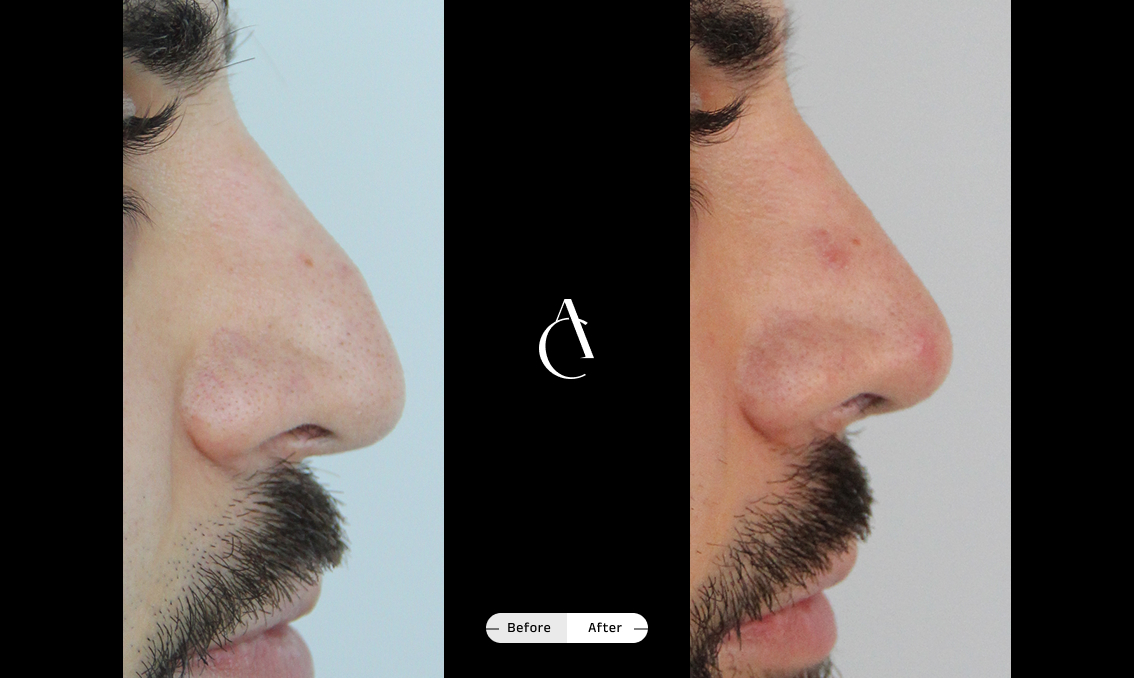
- A smoother, straighter nasal bridge than before – humps or bumps may appear reduced, creating a cleaner side profile.
- A more refined or lifted nasal tip – the tip may look more defined, symmetrical or slightly elevated.
- Better symmetry between nostrils – rhinoplasty can correct uneven nostrils or asymmetry caused by genetics or injury.
- A nose that fits facial proportions more precisely – the overall nose may appear more balanced in relation to the chin, cheeks and eyes.
It’s important to remember that these are only possible signs, not conclusive proof. Natural ageing, make-up techniques, weight changes, camera angles or even non-surgical treatments can also alter the appearance of the nose. In many cases, people simply have naturally balanced nasal features without any cosmetic intervention at all.
Signs of a bad nose job
While natural rhinoplasty is often difficult to detect, poorly executed surgery can create more obvious visual signs. Some of the most common indicators of an unnatural or problematic rhinoplasty include:
- Overly scooped bridge – a bridge that looks excessively concave can appear artificial and overdone.
- Pinched or narrow nostrils – over-reduction can make the nose look tight or collapsed.
- Tip that looks too lifted or unnatural – an overly rotated tip may expose too much nostril from the front or side.
- Pollybeak deformity – a bulge above the tip can create a beak-like profile appearance.
- Visible asymmetry – uneven contours or irregularities may become noticeable after healing.
- The nose looks disconnected from the face – the shape may not suit the patient’s natural facial proportions or ethnicity.
- Breathing difficulties – functional issues can occur if structural support is weakened during surgery.
These outcomes are more commonly associated with aggressive surgical techniques, poor planning or revision rhinoplasty complications. Modern rhinoplasty increasingly prioritises preserving structure and achieving subtle, natural-looking results.

Images source: Envato
What makes a rhinoplasty look natural or obvious?
Several factors influence how detectable a nose job appears.
Surgeon’s expertise
An experienced facial plastic surgeon like Dr. Cuno understands how to reshape the nose while preserving harmony with the rest of the face. This includes respecting proportions, ethnicity, skin type and facial symmetry.
Surgical technique
Both open and closed rhinoplasty techniques can produce excellent results when used appropriately. What matters most is not the approach itself, but how precisely the surgery is performed.
Skin thickness
Patients with thicker skin may experience softer, less sharply defined results, while thinner skin can reveal even small contour changes more visibly.
Patient expectations
Natural results usually happen when patients want refinement rather than complete transformation. Attempting to copy a celebrity nose or dramatically alter facial identity often leads to less harmonious outcomes.
The best rhinoplasty should enhance the face subtly, not become the centre of attention.
How would you look with a nose job?
One of the most common questions people ask Dr. Cuno before undergoing rhinoplasty is: “How would I look with a nose job?” Today, many surgeons use digital imaging or simulation technology during consultations to help you visualise how it could look for you. These tools can provide a useful preview of how certain refinements may affect your overall facial balance.
However, it’s important to understand that rhinoplasty is not about copying someone else’s nose. A nose that suits one face may look completely unnatural on another. The goal is to create harmony with your unique features, including:
- Facial shape
- Chin projection
- Eye spacing
- Skin thickness
- Ethnic characteristics
A thorough consultation will help you work out what changes are realistic, appropriate and likely to produce the most natural-looking result for you. For many patients, seeing how subtle adjustments can improve overall balance is what ultimately builds confidence in the procedure.
Most good nose jobs are invisible
The reality is that most well-executed rhinoplasty procedures are difficult if not impossible to detect. Natural rhinoplasty should:
- Complement your face rather than dominate it
- Preserve your identity and facial character
- Improve the balance subtly and proportionately
In many cases, “spotting” a nose job only happens when the result looks unnatural or overdone. The goal of modern rhinoplasty is refinement, harmony and creating a result that simply looks like you at your best.
Thinking about rhinoplasty but want natural results? Book a consultation to discuss a personalised approach designed around your facial features and goals.