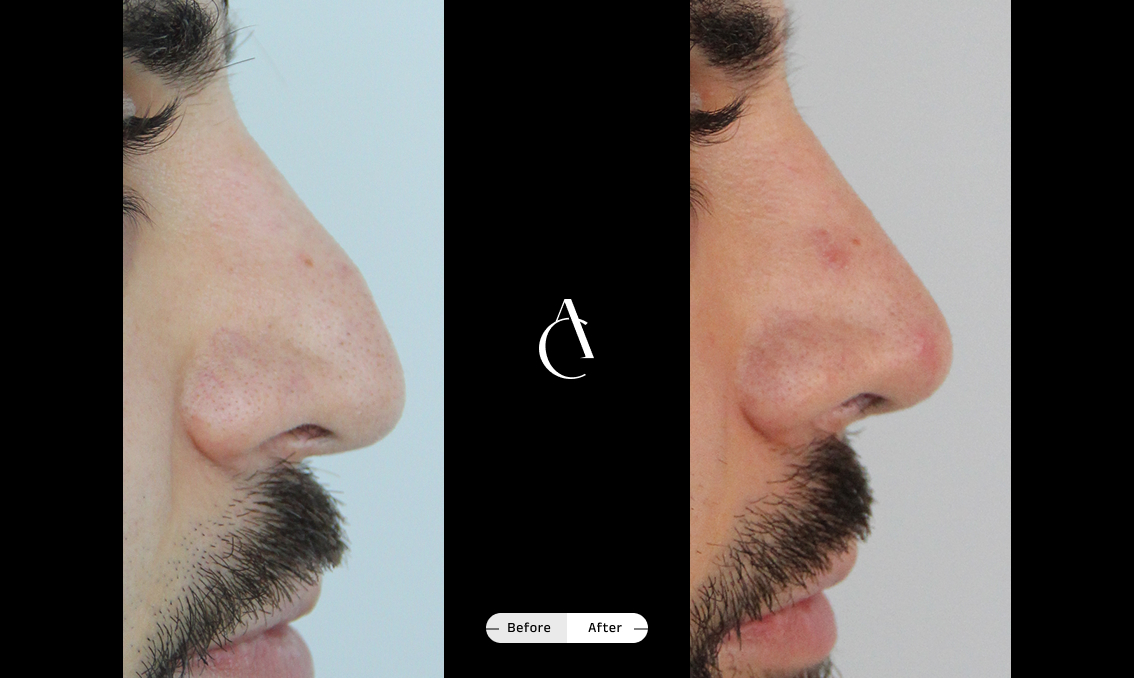

Most people who undergo rhinoplasty are teenagers or adults and their noses have therefore finished growing, but surgeons will always assess each patient carefully before recommending surgery. Here’s everything you need to know about when to have this procedure.
What age can you get rhinoplasty?
Your nose keeps developing throughout your childhood and adolescence. Because rhinoplasty permanently changes the bone and cartilage in your nose, it’s important that your nasal and facial growth are complete before undergoing this surgery. Operating too early can interfere with your development, potentially leading to changes in the outcome as your face continues to mature.
This is why surgeons focus on growth completion rather than making decisions based on when your birthday is. The majority of rhinoplasty patients are in their late teens and adulthood, when facial proportions have stabilised and long-term outcomes are more predictable.
Minimum age for rhinoplasty in teenagers
When discussing the minimum or appropriate age to get rhinoplasty, surgeons often use general growth guidelines:
- Girls: facial and nasal growth is usually complete around 16 to 17 years old.
- Boys: growth often continues slightly longer, so surgery is considered around 17 to 18 years old.
Remember, these are averages, not rules. Some teenagers mature earlier, others later. A surgeon may assess your growth by reviewing your medical history, physical development, and whether your height and facial proportions have stabilised. Even when the physical signs suggest you might be ready, a thorough consultation is essential to confirm that your nose has stopped growing before proceeding with rhinoplasty.
How old do you have to be for cosmetic versus functional rhinoplasty
Age considerations also depend on why surgery is being considered.
Cosmetic rhinoplasty is performed to change the appearance of your nose, for example, to smooth a hump, refine the tip or improve symmetry. Because this type of surgery is elective and done for aesthetic reasons, it’s generally performed only when you’re fully grown and, in many countries, once you’ve reached legal adulthood.
Functional rhinoplasty, or related procedures such as septoplasty, focus on improving your breathing and nasal function. This type of surgery can sometimes be considered earlier than purely cosmetic procedures, such as in cases where you have a severe nasal obstruction, a markedly deviated septum or breathing difficulties that affect your sleep and quality of life.
However, even functional surgery needs to be approached very carefully in younger patients. A surgeon will weigh the benefits of improving your breathing against the potential impact on on-going growth, and conservative techniques and specialist evaluation are especially important in these cases.

Images source: Envato
Emotional maturity and expectations in young patients
Psychological readiness is as important as complete physical growth. Rhinoplasty changes a central feature of your face, and it can therefore have a strong emotional impact. In initial consultations, surgeons will assess whether younger patients:
- Have realistic expectations about results
- Understand recovery time and possible risks
- Are motivated by their own wishes, not pressure from peers or social media
- Show stable body image and emotional maturity
As a teenager, you’re still developing your sense of identity. A responsible surgeon may recommend waiting if you seem unsure, if you’re hoping surgery will “solve everything”, or if you don’t yet demonstrate a balanced understanding of outcomes.
Age limits and health considerations for adult rhinoplasty
On the other end of the spectrum, some people wonder if they might be too old for rhinoplasty. In most cases, there is no strict upper age limit, and overall health is the more important consideration. No surgery is a walk in the park, and the fitter and healthier you are, the more easily you’ll be able to recover from it.
Before surgery, your surgeon will evaluate:
- Your medical history and existing conditions
- Any medications you’re on
- Your skin quality and elasticity
- Your healing capacity
- Whether or not you’re a smoker
Modern anaesthesia and surgical techniques have made rhinoplasty safe across a wide adult age range, provided you’re medically suitable. If you’re a healthy adult in your 40s, 50s and beyond, you can still enjoy excellent results from this surgery. Subtle refinements, such as improving nasal balance or correcting breathing issues, are often possible when surgery is carefully planned.
Parental consent and decision-making if you are under 18
You’ll need the consent of a parent or guardian if you’re under the age of 18 and want to undergo rhinoplasty surgery. This is more than a legal formality. Good practice supports both your safety and your emotional wellbeing, and involves shared decision-making between you, your parents or guardians and your surgeon. This will mean detailed discussions about goals, expectations, risks and recovery, and your surgeon will also want to ensure that your wishes are genuine and not driven solely by outside influence.

Images source: Envato
How to know if it’s the right time for your rhinoplasty
Rather than focusing on age as a number, it helps to look for key readiness signals when considering rhinoplasty surgery. These include:
- Your facial and nasal growth are complete
- Your general health is stable
- Your goals are realistic and you understand them clearly
- Your motivation is personal and well-considered
- You have the support of family if you’re a younger patient
The most reliable way to know whether or not you’re ready for rhinoplasty is through a consultation with a qualified facial plastic surgeon like Dr. Cuno. An in-person assessment allows a surgeon to evaluate your anatomy, growth, health and expectations. From there, you can receive personalised advice on whether now is the right time or whether you’d get better long-term results by waiting.
Whatever your age, if you’re thinking about rhinoplasty then book a consultation for the best next step towards making an informed and confident decision.