In this article, we’ll go through everything you should know about when you can safely wear your glasses again, and what you can do to keep your vision clear in the meantime.
How long after rhinoplasty can you wear glasses?
We’ll start with the bad news: you’ll need to avoid wearing your glasses for at least four to six weeks after rhinoplasty surgery. Depending on what you had done during your procedure – whether cartilage grafts were used and if lots of reshaping took place, for example – this could even be as long as eight weeks.
This sounds like a long time, but it’s because the bones, cartilage and tissues in your nose are extremely delicate while they’re healing after surgery. This is the case even if your nose starts to look normal after a week or two, and the guidance in this article applies equally to sunglasses, which can be even heavier and more problematic than normal glasses due to their bigger size.
The good news is that there are plenty of alternatives to help you see clearly while you’re recovering, so keep reading for some top tips.
Can glasses affect the shape of the nose after rhinoplasty?
If you wear glasses too soon after surgery, it can affect the eventual shape of your nose in a number of ways. That’s because in the weeks after rhinoplasty, the internal structures of your nose are still malleable and settling themselves into place. Even slight pressure can affect this process.
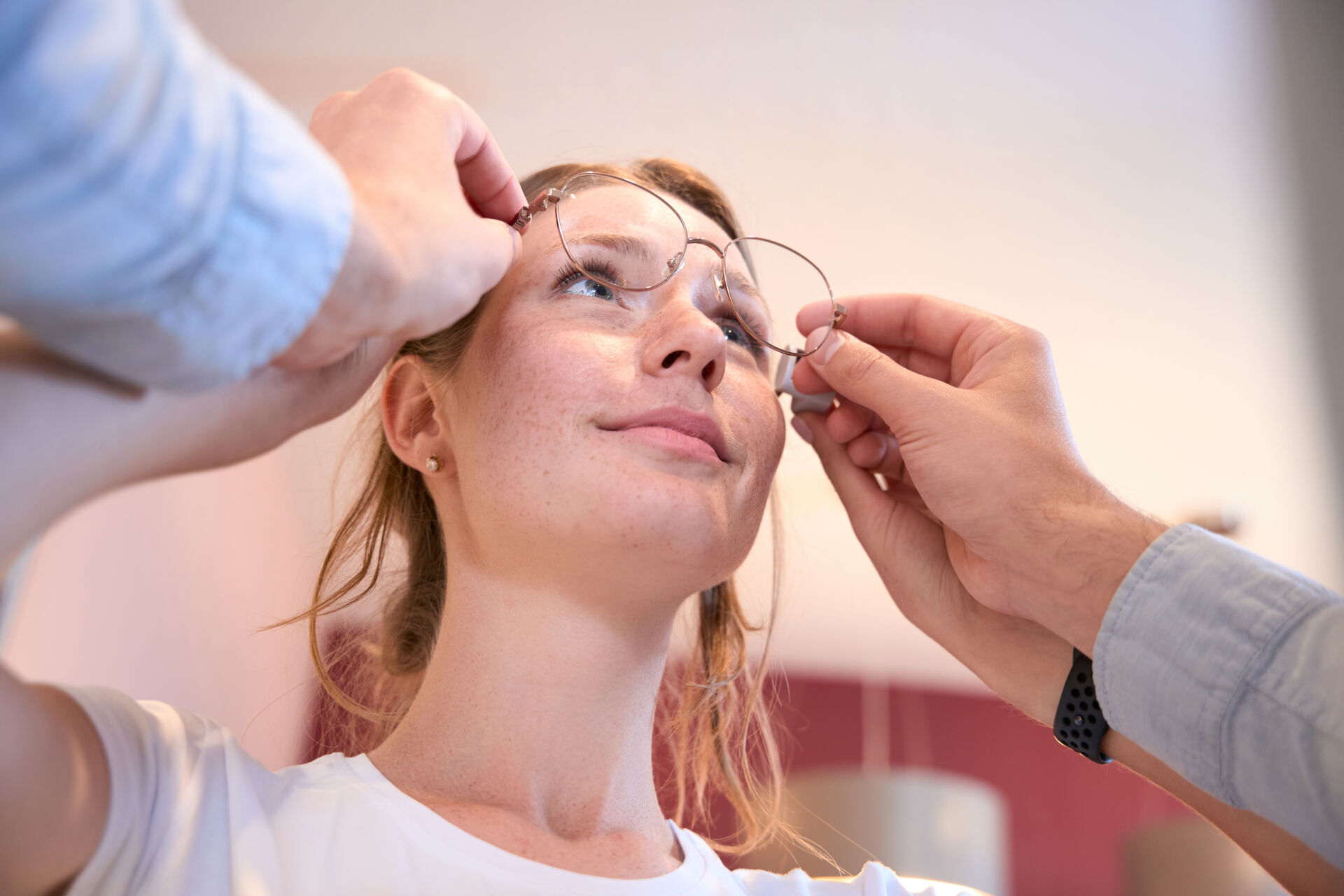
Placing glasses on the bridge of your nose causes compression that can impact alignment, reshape soft tissues and potentially put the results of your surgery in jeopardy, causing issues such as:
- Indentations in the healing tissues
- Asymmetry or uneven contouring
- Displacement of cartilage grafts, particularly after tip reshaping
- Irregularities along the nasal bridge
These risks are especially relevant if your rhinoplasty included dorsal hump removal, osteotomies (controlled bone cuts), cartilage graft placement or bridge narrowing. Because the outcome of your surgery is at stake, it’s always best to err on the side of caution and ensure a few weeks of careful protection to safeguard the investment you’ve made in your ‘new’ nose.
Images source: Envato
What are the best alternatives to glasses after rhinoplasty?
If you wear glasses everyday, the thought of not being able to wear them for a few weeks can sound stressful. However, there are a few safe alternatives to get you through this healing phase without adversely affecting the outcome of your surgery.
1. Contact lenses
Contact lenses are the safest and most convenient solution for most rhinoplasty patients. They don’t place any pressure on the bridge of your nose, but will ensure you have clear vision throughout your recovery period. You can use them for as long as you need to until your surgeon says it’s ok to start wearing glasses again.
Contact lenses can take a little bit of getting used to if you haven’t worn them before, but don’t worry – your optician will be able to advise on a comfortable solution for short-term use and show you how to put them in and take them out safely.
2. External frame supports
There are various devices that lift the frames of your glasses off the bridge of your nose, and these could be a good solution if you’re not able to wear contact lenses for whatever reason. You should be able to find them online by searching for terms like forehead supports, glasses lifters or glasses suspenders. They typically sit on your forehead, attach to your glasses and prevent them from coming into direct contact with your nose.
3. Medical tape suspension
A basic but effective alternative is to use medical tape to fix your glasses to your forehead, so that there’s no weight put on your nose. It’s quick and cheap, and will enable you to keep wearing your glasses without disrupting the healing process. Your surgeon or nurse can show you the right taping technique to use at your post-op appointment.
4. 3D-printed lightweight frames
You may be able to find ultra-lightweight 3D printed frames specifically designed for post-surgery patients. These are cleverly engineered so that the weight distribution avoids the nose, but it’s a good idea to check with your surgeon before using them.
5. Silicone nose pads
If you really can’t avoid wearing glasses and have to rest them on your nose for short periods – such as for briefly reading – then using silicone nose pads can take away some of the pressure. This won’t mean you can use your glasses risk-free, but they will reduce the risk.
Can I wear glasses 2 or 3 months after rhinoplasty?
Most nose job patients can safely start wearing their glasses again after around 6 to 8 weeks. Remember, recovery does vary depending on how quickly your body heals, so always check with your surgeon first, particularly if you’ve had structural changes or cartilage grafts.
However, even when it’s safe to start wearing your glasses again, you may still feel pressure or discomfort even this far into your recovery. You may also have some minor residual swelling and tenderness, particularly on the bridge of your nose. This can make wearing heavier frames feel uncomfortable. Follow the tips below to protect your nose and keep things as comfy as possible.
Tips for using glasses safely during rhinoplasty recovery
1. Avoid heavy frames
Some glasses are heavier than others, so opt for lightweight frames such as ones made from plastic or titanium. Avoid thick, heavy frames during your recovery.
2. Limit wear time
If possible, try not to wear your glasses continuously when you first start using them again. Limit your use of them to short periods when necessary, such as reading a menu in a restaurant, and continue using contact lenses instead if possible.
3. Protect the nasal bridge
As we saw earlier, you can use silicone pads, foam cushions or soft supports to reduce the pressure on your nasal bridge as your nose continues to heal.
4. Get your glasses adjusted
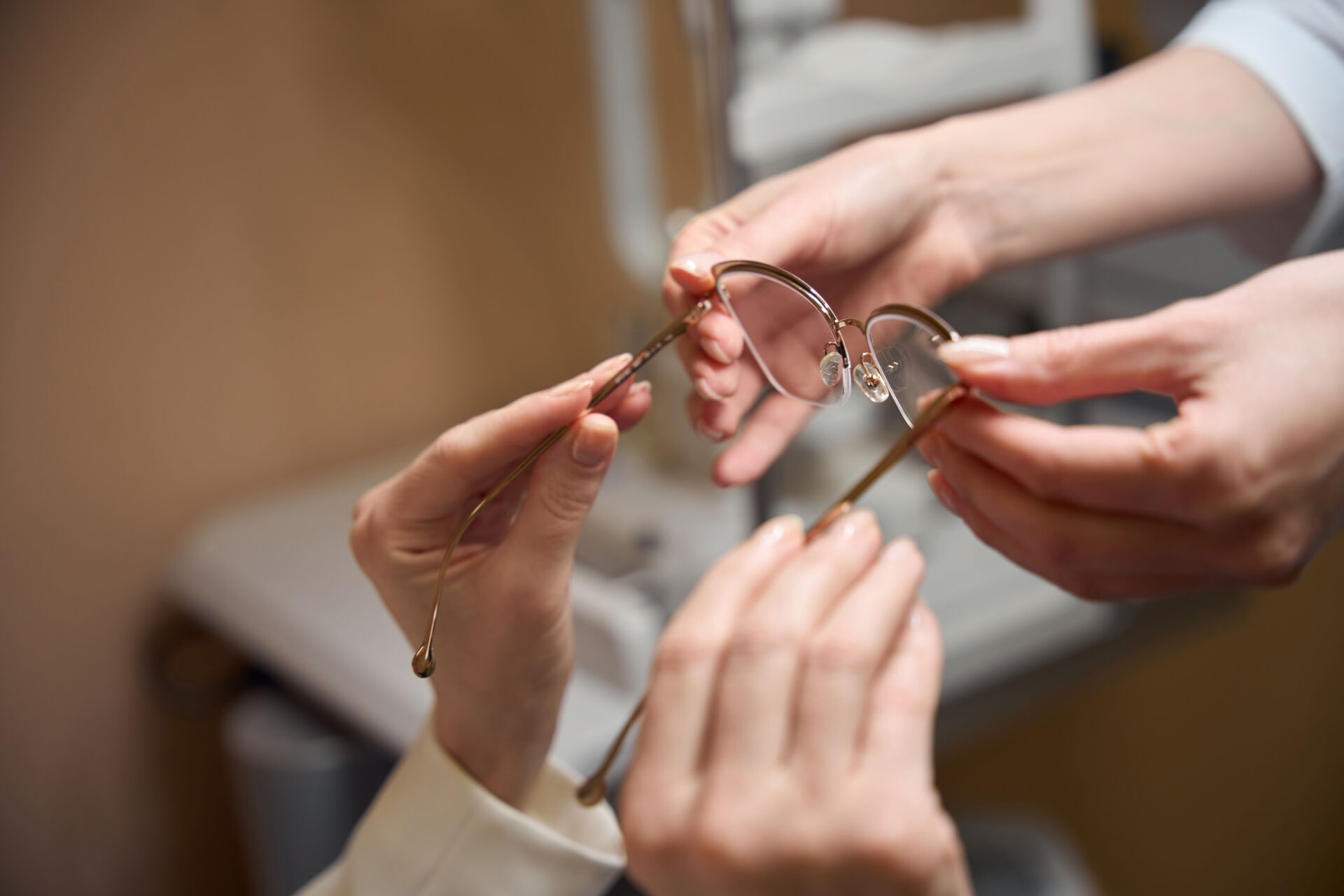
Ask your optician to adjust your frames temporarily so that they sit slightly higher on your face. This will avoid putting pressure on the bridge, and they can be adjusted back once it’s safe for your nose to bear weight.
Remember, everyone’s nose heals differently, and your own surgery will have been unique to you. You should always follow your surgeon’s personalized advice over the general guidance we’ve given here, and report anything that doesn’t feel right to them as soon as possible.
Images source: Envato
Book a consultation with Dr. Cuno
Whether you’re planning your rhinoplasty or struggling with the practicalities of life after surgery, getting expert advice can set your mind at rest and make your recovery smoother and safer. Book a consultation with Dr. Cuno today for personalised guidance on eyewear, healing timelines and protecting the long-term results of your surgery.