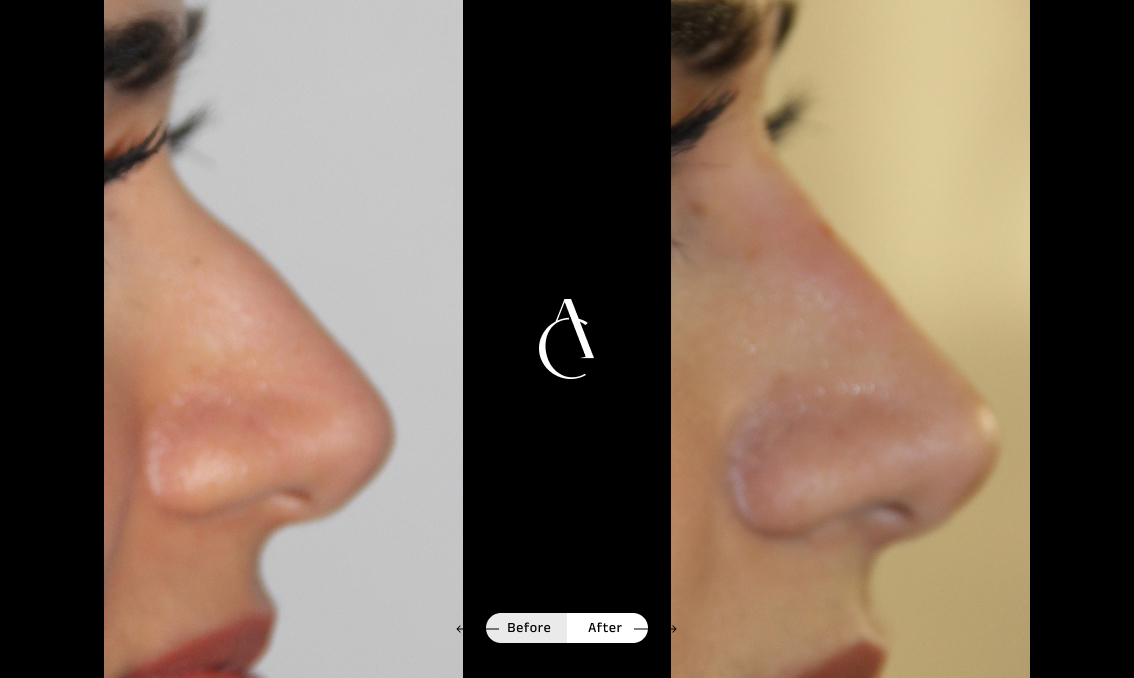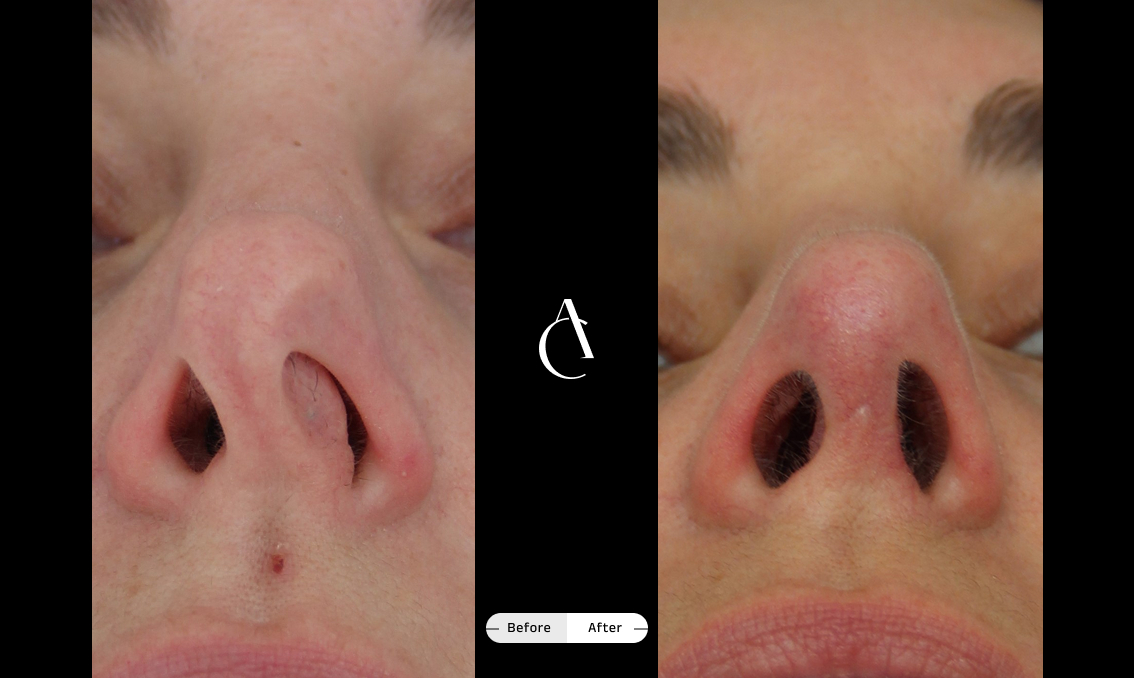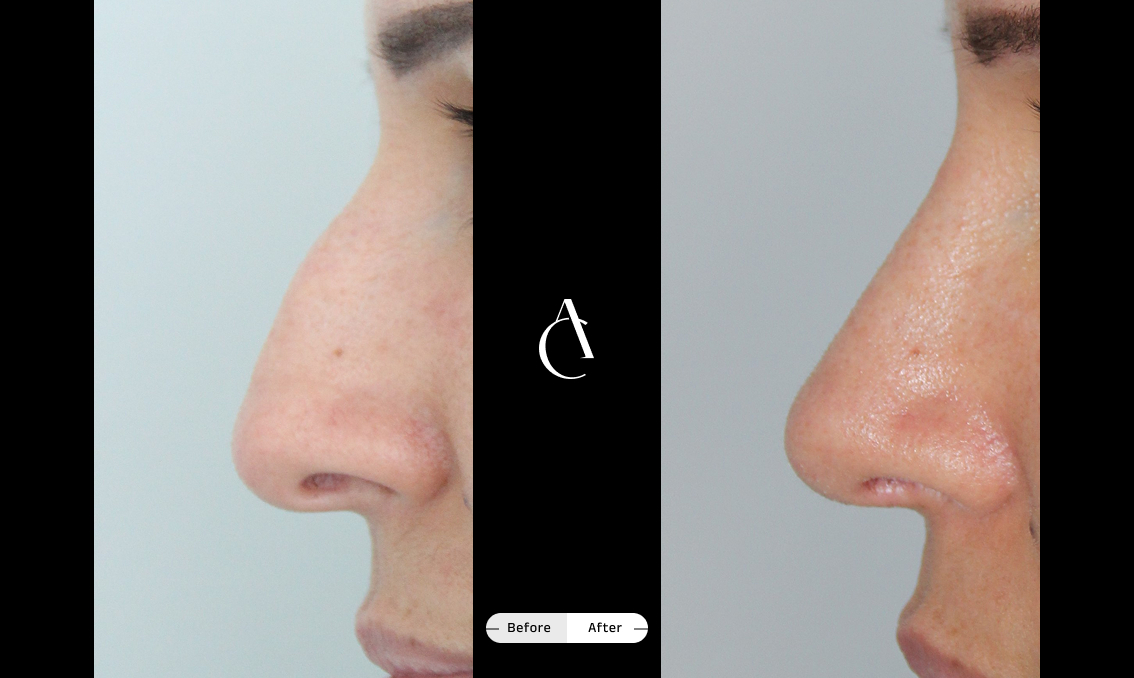
There’s no ‘one size fits all’ answer, as it will depend on your own expectations and circumstances. Let’s take a closer look at the benefits, risks and alternatives to help you make a well-informed decision.
Why do people consider rhinoplasty?
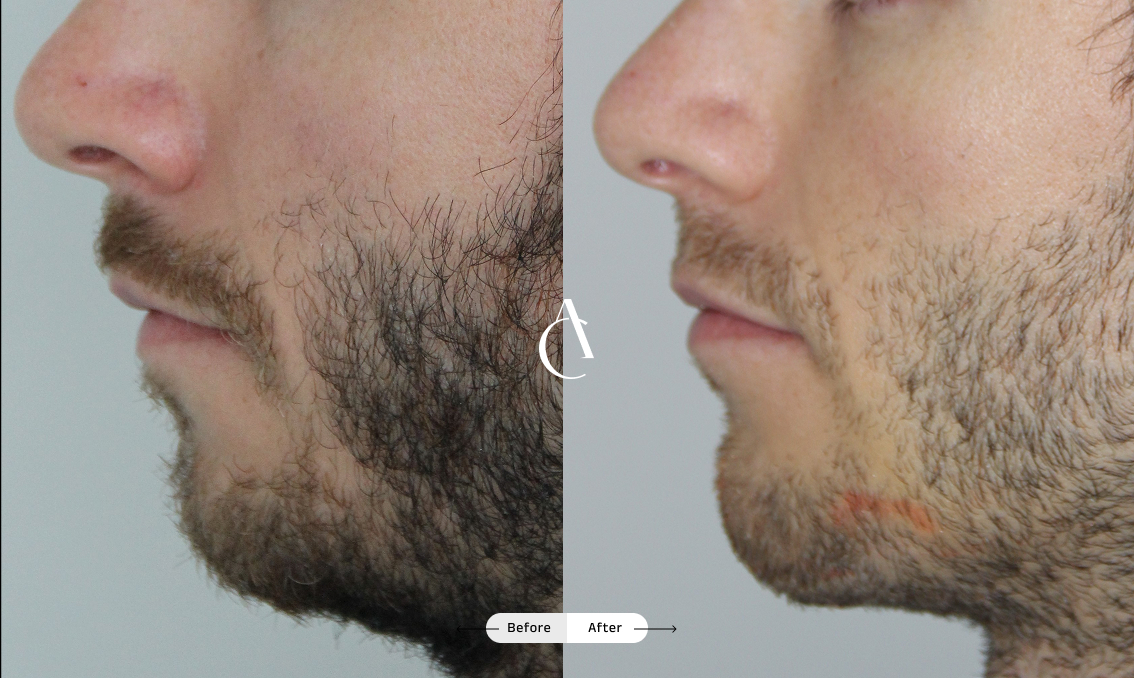
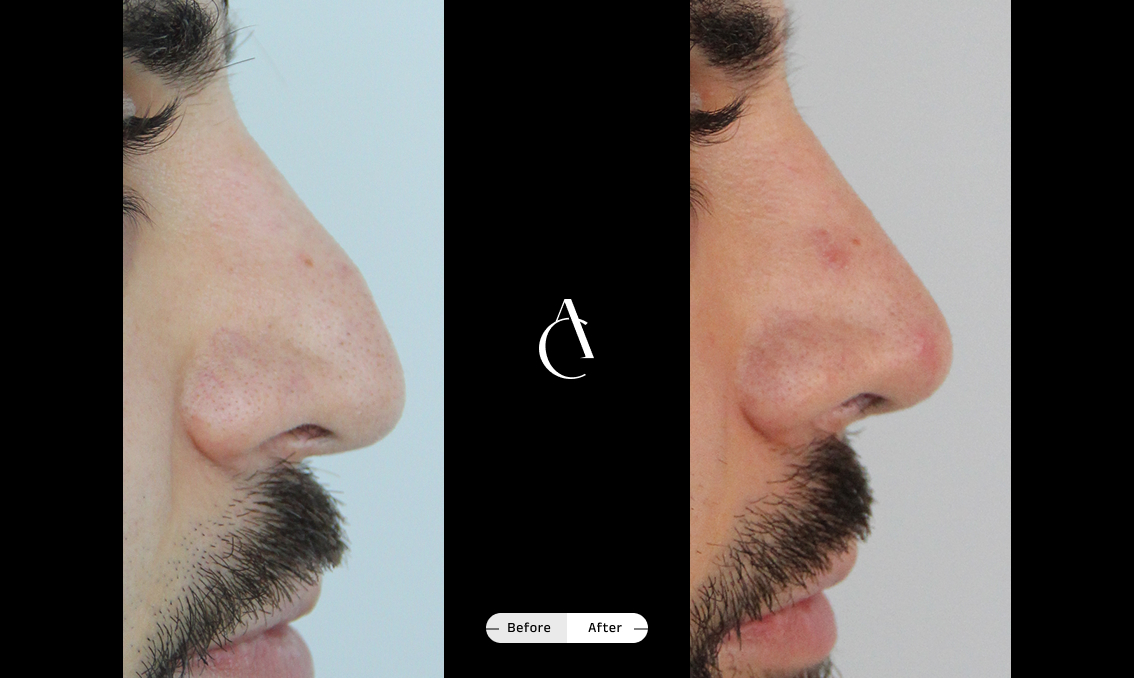
There are a few reasons why rhinoplasty surgery is so popular, with both physical and emotional factors at play. From an aesthetic perspective, patients often come to Dr. Cuno’s Geneva clinic hoping for a nasal hump reduction or wanting an adjustment to the size of their nose to better balance their facial features.
Even subtle corrections to asymmetry or refining the tip of the nose can make a big difference to facial harmony. For people whose career relies on their appearance, such as actors and models, this is a high priority. But this also ties in with patients’ emotions surrounding their nose. Many report having always felt self-conscious about their nose, and seek surgery to try to boost their confidence. While it’s not a solution for deeper emotional challenges, there’s no denying the impact of feeling more comfortable with your own image.
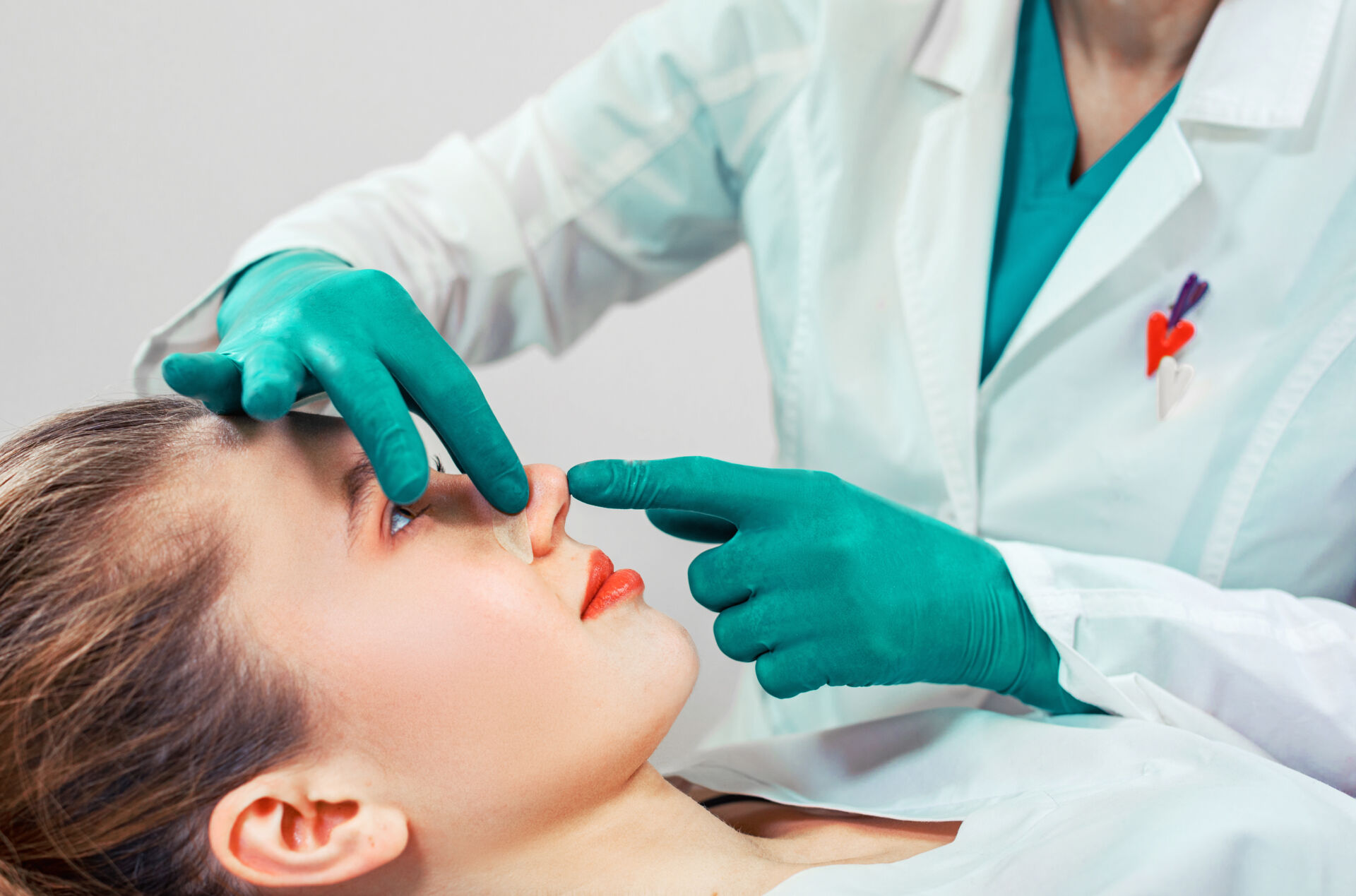
But appearance isn’t the only reason to have rhinoplasty surgery. It’s often carried out to improve breathing, as it can correct physiological issues such as a deviated septum, nasal valve collapse or previous nasal trauma – all of which can restrict airflow and impact sleep, exercise and day-to-day comfort.
Images source: Envato
Is rhinoplasty worth it from a results perspective?
Rhinoplasty surgery typically has high patient satisfaction rates – around 80-90%, particularly for primary rhinoplasty procedures performed by an experienced surgeon like Dr. Cuno. The results are long-lasting, with permanent changes once the delicate nasal tissues have completely healed. This makes it a better longer-term investment than non-surgical alternatives, which need ongoing maintenance.
It’s important to remember that the final result of rhinoplasty surgery doesn’t happen overnight. Post-operative swelling can continue for months, particularly at the tip of your nose, and it could be up to a year before the final results are apparent.
What are the downsides or risks of rhinoplasty?
No surgery is without risks, and the rhinoplasty recovery process can be challenging and lengthy. Swelling, bruising, congestion and discomfort are common in the early stages, and most patients need at least one or two weeks off work and social commitments. Full healing takes time and patience, and also requires emotional adjustment as you adapt to your new appearance.
There is always the possibility that you may not be completely satisfied with the results of your surgery. While uncommon, complications such as asymmetry, breathing issues or scarring can also occur.
The cost is another downside. A nose job is a significant financial investment, particularly when performed by a highly qualified specialist. If you end up needing revision surgery, this is typically more expensive because it’s a more complex procedure.
Is revision rhinoplasty worth it if you are unhappy with results?
Revision rhinoplasty can be worth considering, but it’s not for everyone. It’s more complicated than primary rhinoplasty due to factors such as scar tissue, altered anatomy and reduced cartilage availability. It also carries higher costs, longer recovery time and increased emotional demands.
It could be worth considering if you’re experiencing persistent breathing problems, structural collapse, significant asymmetry or functional complications. However, it’s not recommended for meeting perfection-seeking expectations, as outcomes can become unpredictable.

Images source: Envato
Is non-surgical or liquid rhinoplasty worth it?
You do have an alternative to nose job surgery, and that’s non-surgical rhinoplasty, often referred to as liquid rhinoplasty. This uses dermal fillers to smooth bumps, improve symmetry or slightly lift the tip of your nose. It can be a good option for some patients.
As well as costing less, it has no recovery time, so you can get straight on with your day-to-day life immediately after. However, although the results are immediate, they don’t last forever, so you’ll need repeat treatments every six to 18 months. It also can’t address problems such as nose size, breathing difficulties or structural concerns.
Checklist: how to know if rhinoplasty is right for you
Here are a few questions to ask yourself to help you decide whether or not rhinoplasty is the right option for you.
- Are your goals aesthetic, functional, or both?
- Do you have realistic expectations about what surgery can achieve?
- Are you prepared for the cost, recovery and healing timeline?
- Have you consulted with a qualified, experienced rhinoplasty surgeon?
What do real rhinoplasty patients say?
Most rhinoplasty patients report positive outcomes, with a satisfaction rate of around 80-90% – particularly when surgery addresses both appearance and breathing. Here’s what some of Dr. Cuno’s patients have said about their results
Summary: is it worth getting rhinoplasty?
Rhinoplasty can be highly rewarding when approached thoughtfully.
Surgical rhinoplasty can give you permanent results and functional improvement, but it’s vital to be aware of the time and patience required for the recovery process.
Revision rhinoplasty is only useful in some circumstances, and shouldn’t be undertaken lightly due to the added complexity and recovery time.
Non-surgical rhinoplasty can offer a quick fix with less risk for certain minor cosmetic alterations, but can’t help with function, and the results need maintaining.
Ultimately, rhinoplasty is worth it when your goals are clear, you have realistic expectations and you work with an experienced specialist.
Ready to explore your options?
If you’d like to get some tailored guidance about whether or not rhinoplasty surgery is right for you, book a consultation with Dr. Cuno today to understand the safest approach for your lifestyle and goals.