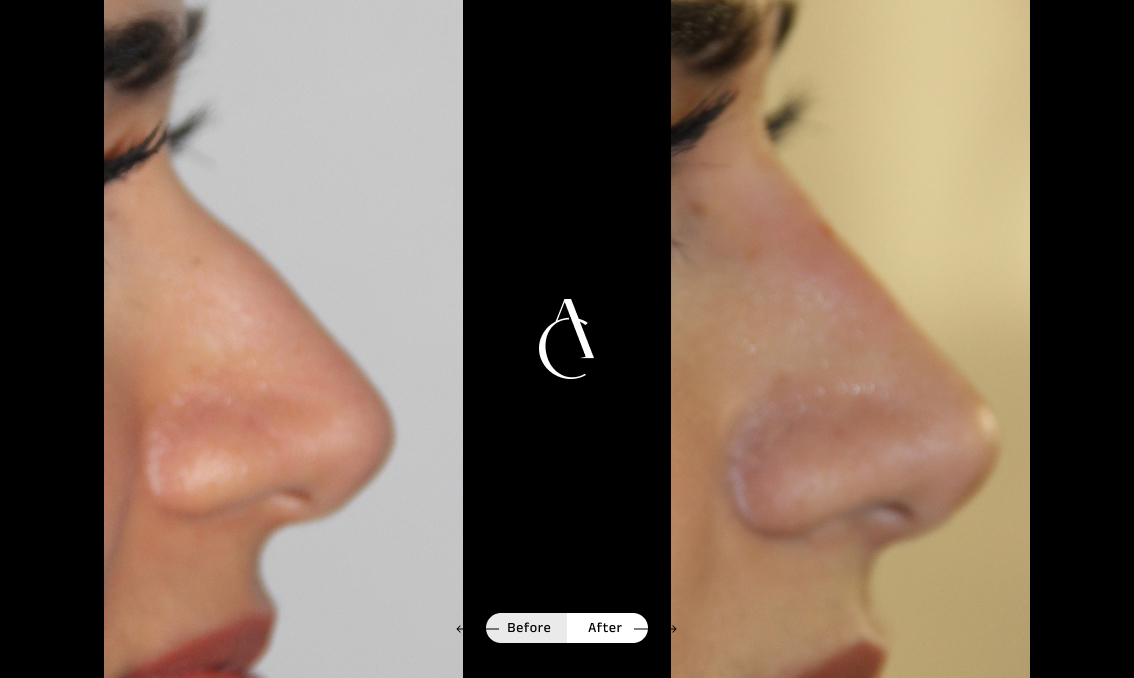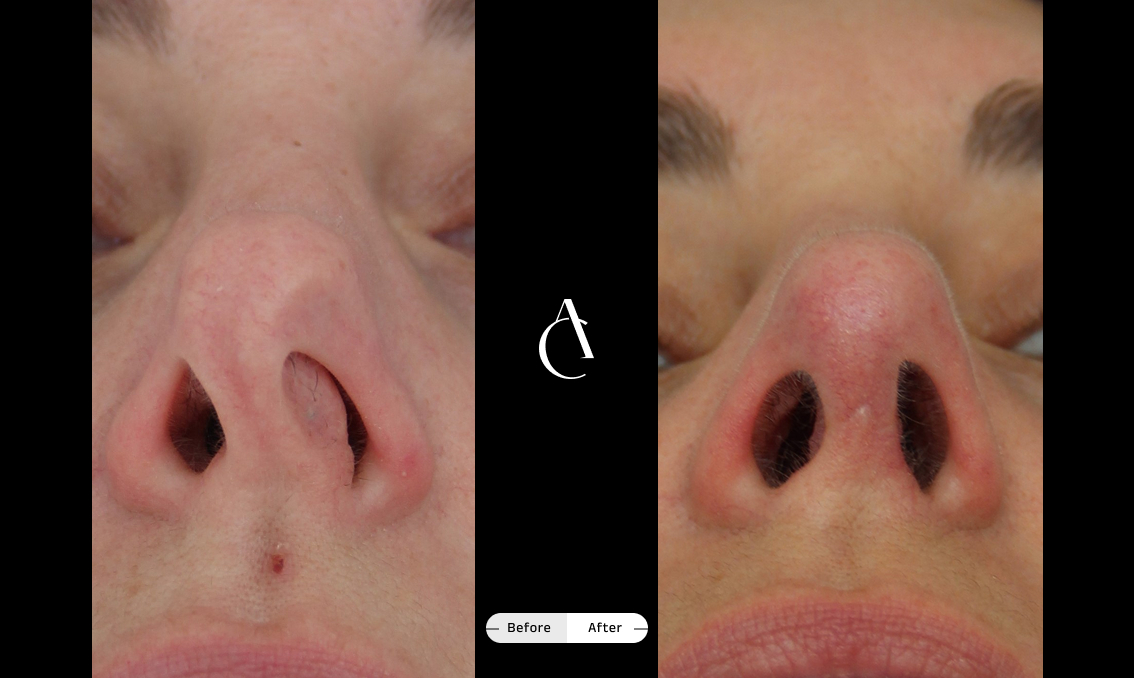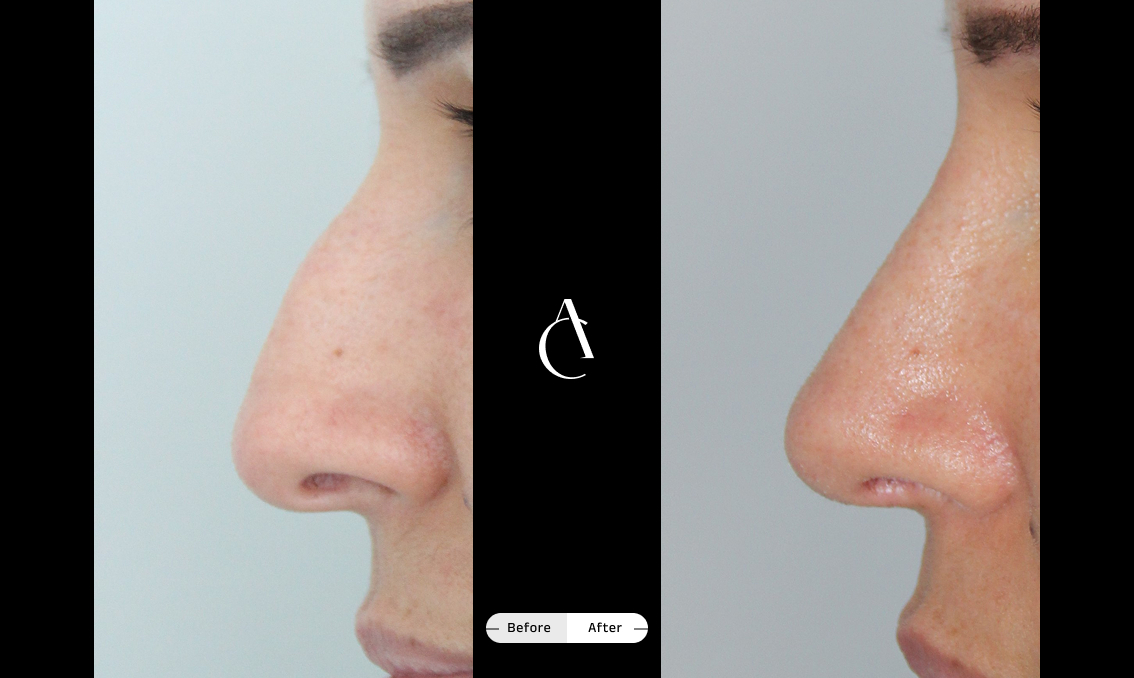

Sehen wir uns genauer an, wie die Versicherungsgesellschaften die Nasenkorrektur betrachten und was Sie tun müssen, damit Ihre funktionelle Nasenkorrektur von Ihrer Versicherung übernommen wird.
Was ist eine funktionelle oder medizinische Nasenkorrektur?
Ein wichtiger Unterschied zwischen kosmetischer und funktioneller Rhinoplastik besteht darin, dass erstere nicht als ‘medizinisch notwendig’ gilt, letztere hingegen schon.
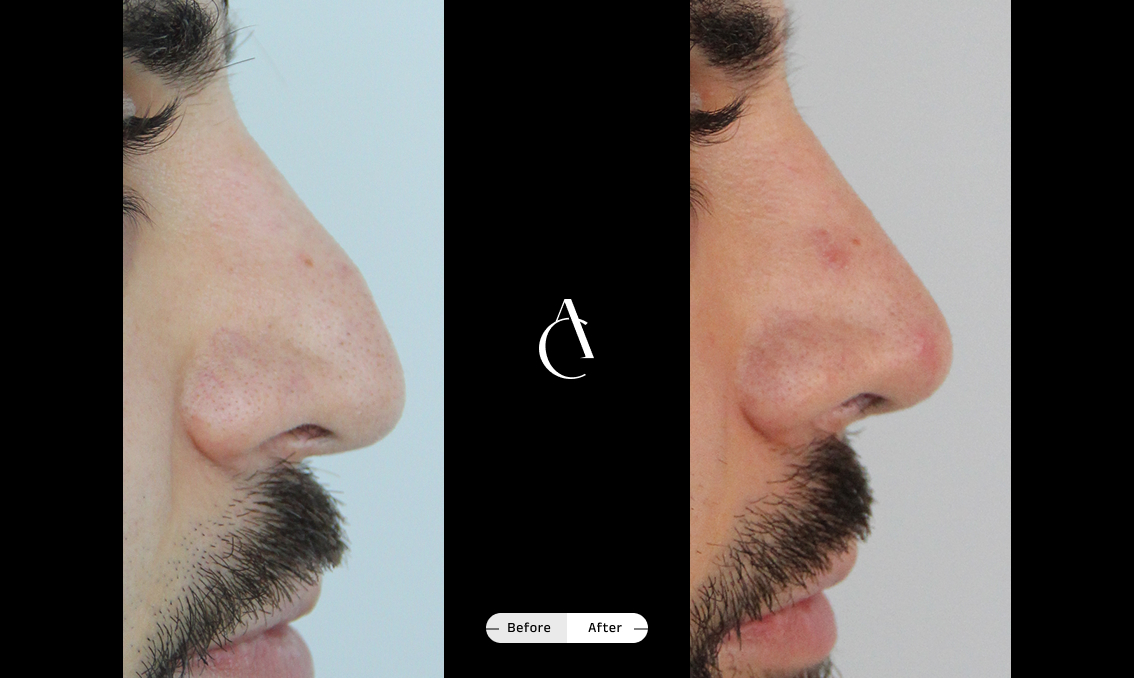
Eine kosmetische Nasenkorrektur wird durchgeführt, um das Aussehen Ihrer Nase zu verändern - z. B. die Spitze zu verfeinern, einen Höcker zu verkleinern, den Nasenrücken anzuheben oder die Nasenlöcher zu verengen - und wird normalerweise nicht von den Krankenkassen übernommen.
Andererseits gilt eine Nasenkorrektur als ‘funktionell’, wenn ihr Hauptzweck darin besteht, Ihre Atmung zu verbessern oder strukturelle Probleme in Ihrer Nase nach einer Verletzung oder Krankheit zu korrigieren. Sie gilt als medizinisch notwendig und wird daher oft ganz oder teilweise von der Krankenkasse übernommen.
Es gibt eine Reihe häufiger medizinischer Probleme, die durch eine funktionelle Rhinoplastik behoben werden können, darunter:
- Nasenscheidewandverkrümmung – das ist, wenn Ihre Nasenscheidewand (die Trennwand zwischen den Nasenlöchern) schief ist und den Luftstrom blockiert. Sie kann mit einer Septoplastik, die im Rahmen einer Nasenkorrektur durchgeführt wird, begradigt werden.
- Nasenklappenkollaps – dabei handelt es sich um eine Schwächung oder einen Kollaps des engsten Teils der Atemwege in Ihrer Nase, der möglicherweise eine Knorpeltransplantation zur Wiederherstellung des Luftstroms erfordert.
- Vergrößerte Nasenmuscheln – dies geschieht, wenn die knöchernen Strukturen in Ihrer Nase anschwellen und die Atmung einschränken. Dies erfordert eine Turbinotomie oder eine Turbinatenreduktion, um Gewebe im Atemweg zu entfernen oder umzugestalten, um einen freieren Luftstrom zu ermöglichen.
- Posttraumatische Korrektur – typischerweise erforderlich, um Funktion und Aussehen nach einer Nasenfraktur aufgrund eines Sturzes, Unfalls oder einer Sportverletzung wiederherzustellen.
- Angeborene Deformitäten – wenn Sie mit strukturellen Unregelmäßigkeiten der Nase geboren wurden, können diese die Atmung beeinträchtigen und eine Korrektur erfordern.
- Chronische Nasennebenhöhlenprobleme oder Schnarchen – eine Nasenkorrektur wird manchmal gleichzeitig mit einer Nasennebenhöhlenoperation durchgeführt, um den Luftstrom und den Komfort zu verbessern.
Es versteht sich von selbst, dass Ihre Versicherung den Eingriff eher übernimmt, wenn es einen gut dokumentierten medizinischen Nutzen gibt, wie etwa eine bessere Atmung. Bei einer Nasenkorrektur, die sowohl die Funktion als auch das Aussehen Ihrer Nase verbessert - wie zum Beispiel bei einer Septumplastik zur Korrektur einer Nasenscheidewandverkrümmung und zur Neugestaltung der Nasenspitze - kann es sein, dass die Versicherung den funktionellen Teil des Eingriffs bezahlt, während Sie die Kosten für die ästhetischen Elemente selbst tragen.
Wie wird eine Nasenkorrektur von der Versicherung übernommen?
Wenn Ihre Nasenkorrektur ein vollständiges oder teilweises funktionelles Element enthält, müssen Sie die folgenden Schritte befolgen, damit Ihre Versicherung die Kosten für Ihren Eingriff übernimmt oder sich an ihnen beteiligt.
1. Lassen Sie sich von einem HNO-Arzt oder einem Rhinoplastik-Chirurgen untersuchen
Vereinbaren Sie zunächst einen Beratungstermin mit einem Hals-Nasen-Ohren-Arzt (HNO) oder einem plastischen Chirurgen wie Dr. Cuno. Sie werden Ihre Nasenstruktur und Ihre Atemfunktion untersuchen, um festzustellen, ob Sie ein funktionelles Problem haben, das durch eine Operation behoben werden muss.
2. Unterziehen Sie sich einer medizinischen Bildgebung oder Atemtests
Diese Untersuchungen liefern den Beweis dafür, dass ein medizinisches Problem, z. B. eine Obstruktion, vorliegt, das mit einer Operation behandelt werden muss. Diese Untersuchungen können eine Nasenspiegelung, eine Computertomographie oder eine Messung des Luftstroms (Rhinomanometrie) umfassen.
3. Dokumentation zusammenstellen
Die Dokumentation Ihres Chirurgen beweist den Versicherern, dass der Eingriff medizinisch gerechtfertigt ist, und erläutert die funktionellen (nicht ästhetischen) Verbesserungen, die der Eingriff mit sich bringt.
4. Einen Antrag auf Vorabgenehmigung stellen
Sie müssen einen formellen Antrag auf Vorabgenehmigung bei Ihrem Versicherer einreichen, bevor Sie Ihre Operation planen.
Denken Sie daran, wenn Sie sich entscheiden, die Möglichkeit einer Nasenoperation zur gleichzeitigen Verbesserung des Aussehens Ihrer Nase wahrzunehmen, wird Ihre Versicherung nur den medizinisch notwendigen Teil übernehmen. Der kosmetische Teil des Eingriffs wird dann separat in Rechnung gestellt, den Sie selbst bezahlen müssen.

Quelle der Bilder: Freepik
Wird eine Nasenkorrektur in Europa oder der Schweiz von der Versicherung übernommen?
Die Versicherungsbestimmungen sind von Land zu Land sehr unterschiedlich. Im Vereinigten Königreich kann die private Krankenversicherung nur den medizinisch notwendigen Teil einer Nasenkorrektur übernehmen, während der staatliche Gesundheitsdienst (NHS) nur bei eindeutiger medizinischer Notwendigkeit (z. B. bei einer schweren Atemwegsobstruktion, einem Trauma oder einer angeborenen Anomalie) einspringt.
In Frankreich, Deutschland und der Schweiz sind eine ärztliche Begründung und die erforderlichen Dokumente unerlässlich, und Sie müssen kosmetische Nasenkorrekturen selbst bezahlen. Für eine funktionelle Nasenkorrektur verlangen sowohl die privaten Versicherer als auch die öffentlichen Gesundheitssysteme in diesen Ländern normalerweise, dass eine Beeinträchtigung der Atmung von einem Facharzt dokumentiert wurde und dass Sie zuvor andere, weniger invasive Behandlungen ausprobiert haben. In der Schweiz benötigen Sie eine formelle HNO-ärztliche Untersuchung, um den Schweregrad einer Nasenobstruktion zu dokumentieren.
Wie viel kostet eine kombinierte Nasenkorrektur mit Versicherung?
Wenn die Rhinoplastik sowohl aus kosmetischen als auch aus funktionellen Gründen durchgeführt wird, kann es sein, dass die Versicherer für den funktionellen Teil aufkommen, während Sie die kosmetischen Elemente selbst tragen.
Die Aufteilung der Kosten ist von Land zu Land und von Versicherer zu Versicherer unterschiedlich, wobei zwischen 30-70% von Ihrem Versicherer übernommen werden können, wenn die Operation auch funktionelle Eingriffe umfasst. Die Kosten für den kosmetischen Teil Ihrer Operation hängen von einer Reihe von Faktoren ab, darunter die Komplexität der erforderlichen Umformung, die Fachkenntnisse Ihres Chirurgen und der Standort der Klinik. Bitten Sie immer um einen Kostenvoranschlag, damit Sie wissen, welchen Anteil der Rechnung Sie einplanen müssen.
Kann die Versicherung eine Nasenkorrektur nach einem Unfall oder Trauma übernehmen?
Kurz gesagt: Ja. Rekonstruktive Nasenkorrekturen können in der Regel von Ihrem Versicherer übernommen werden, wenn Sie sich bei einem Sturz, Autounfall, Arbeitsunfall oder einer Sportverletzung an der Nase verletzt haben.
Um Ihre Chancen auf eine Kostenübernahme durch Ihre Versicherung zu verbessern, sollten Sie sich sofort nach der Verletzung in ärztliche Behandlung begeben und alle Berichte, wie z. B. Scans, Röntgenbilder und ärztliche Notizen, aufbewahren. Je früher Sie Ihren Anspruch geltend machen, desto besser, da verspätete, nicht dokumentierte Ansprüche weniger Aussicht auf Erfolg haben.

Quelle der Bilder: Freepik
Versicherung für Nasenkorrekturen: Welche Unterlagen benötigen Sie?
Im Folgenden finden Sie eine Checkliste mit den Unterlagen, die Sie wahrscheinlich benötigen, um sicherzustellen, dass Ihre Nasenkorrektur von Ihrer Krankenversicherung übernommen wird:
☑️ Bericht des HNO-Arztes oder Rhinoplastikers
☑️ CT-Scan oder Nasenbildgebung
☑️ Diagnose einer Obstruktion (z. B. Nasenscheidewandverbiegung)
☑️ Aufschlüsselung der Kosten zwischen funktionalen und kosmetischen Gebühren
☑️ Formular zur Vorabgenehmigung für die Versicherungsprüfung
In der Regel hilft Ihnen die Klinik Ihres Chirurgen bei der Zusammenstellung und Einreichung dieser Unterlagen.
Wird eine Nasenkorrektur von der Versicherung übernommen oder nicht?
Einfach ausgedrückt: Eine kosmetische Nasenkorrektur ist medizinisch nicht notwendig und wird daher von Ihrer Versicherung nicht übernommen. Funktionelle Nasenkorrekturen hingegen werden übernommen. Zu den typischen Gründen gehören die Wiederherstellung der Atmung oder die Behebung von Verletzungen. Wenn Ihre Nasenkorrektur eine Mischung aus kosmetischer und funktioneller Verbesserung beinhaltet, können Sie unter Umständen eine teilweise Kostenübernahme durch Ihren Versicherer erhalten, während Sie den kosmetischen Teil selbst bezahlen.
Sie brauchen eine gute Dokumentation und den Nachweis, dass Ihr Verfahren medizinisch notwendig ist, damit Ihr Versicherer zahlt, und eine gründliche medizinische Untersuchung ist der erste Schritt.
Konsultieren Sie einen qualifizierten Chirurgen, um Ihren Fall zu beurteilen
Der einfachste Weg, um herauszufinden, ob Sie für eine Versicherung in Frage kommen, ist ein Beratungsgespräch mit einem spezialisierten Rhinoplastik-Chirurgen wie Dr. Cuno, der Ihre Symptome untersucht, Ihre Ziele bespricht und feststellt, ob die Versicherung Ihre Rhinoplastik übernehmen kann. Buchen Sie noch heute einen Termin bei Dr. Cuno.
Quelle der Bilder: Freepik