Can a rhinoplasty go wrong?
Rhinoplasty, also known as a nose job, is one of the most frequently performed facial surgeries worldwide, and it has high success rates. It’s generally safe when performed by a highly qualified surgeon like Dr. Cuno. But given that it affects a highly visible part of your body, it’s natural to wonder whether there’s a chance this surgery can go wrong.
No surgical procedure is 100% risk-free, but serious problems are uncommon. The vast majority of risks can be reduced with the right planning, surgeon and aftercare. Let’s take a look at what can go wrong, how often it happens and what you can do to protect yourself.
Are rhinoplasties safe?
Rhinoplasty is generally considered a safe and well-established procedure when it’s performed by a qualified and experienced facial plastic surgeon like Dr. Cuno, who specialises in this specific type of surgery. The procedure has been refined over decades, and it’s routinely carried out for both cosmetic and functional reasons.
Despite that, no surgery is completely free of risks. As with any other type of procedure, there’s always the chance of complications such as infection, bleeding and scarring, and there’s a small possibility that you may not be happy with the final result. However, you can mitigate this risk with careful planning, in-depth consultation with your surgeon to manage your expectations, and taking good care of yourself during the recovery phase.
How often does rhinoplasty go wrong?
The good news is that rhinoplasty has a high overall success and satisfaction rate. Large studies and clinical reviews, like this one, suggest that approximately 85-90% of patients are satisfied with the outcome of their primary rhinoplasty.
However, up to 10-15% of patients may seek revision rhinoplasty, which may be needed due to complications, scar tissue formation or evolving patient expectations. But what does “going wrong” actually mean? It could be any of the following:
- Cosmetic dissatisfaction – unhappy with the shape, symmetry or proportions
- Breathing or airflow problems
- Structural issues – such as collapse or visible irregularities
- Excessive scarring or prolonged swelling
Revision surgery can often correct these issues, but it’s typically more complex than the initial procedure.
Images source: Envato
What can cause a rhinoplasty to go wrong?
There a few potential causes of rhinoplasty surgery producing an unsatisfactory outcome.
Poor surgical technique
This is one of the most significant risks in nose job surgery. Rhinoplasty requires a detailed understanding of nasal anatomy and structural support. Surgeons without specialist training may prioritise appearance over function, which can mean problems later on. You can mitigate this risk by only working with an experienced, highly qualified surgeon like Dr. Cuno.
Unrealistic expectations
Rhinoplasty can refine and balance your nose, but it can’t deliver perfection or completely change your facial identity. Going into rhinoplasty with realistic expectations is essential, and that’s why clear communication in your initial and pre-surgical consultations is vital.
Patient-related factors
Looking after yourself is of paramount importance in the days and weeks before and after surgery. Smoking and vaping, what you eat and drink, early trauma to the nose from accidental bumps or wearing glasses, or failing to follow other post-operative instructions can all interfere with healing and increase your risk of complications.
Complex nasal anatomy
Everyone’s nose is different, and aspects particular to yours – such as thick skin, previous surgery or significant asymmetry – can make outcomes less predictable, even in expert hands.
Non-surgical rhinplasty
If you’re considering non-surgical rhinoplasty as an alternative, even that isn’t without risks. These include filler migration, asymmetry and, in rare cases, vascular complications. You should only get this treatment from trained medical professionals.
How to reduce your risk of a bad outcome
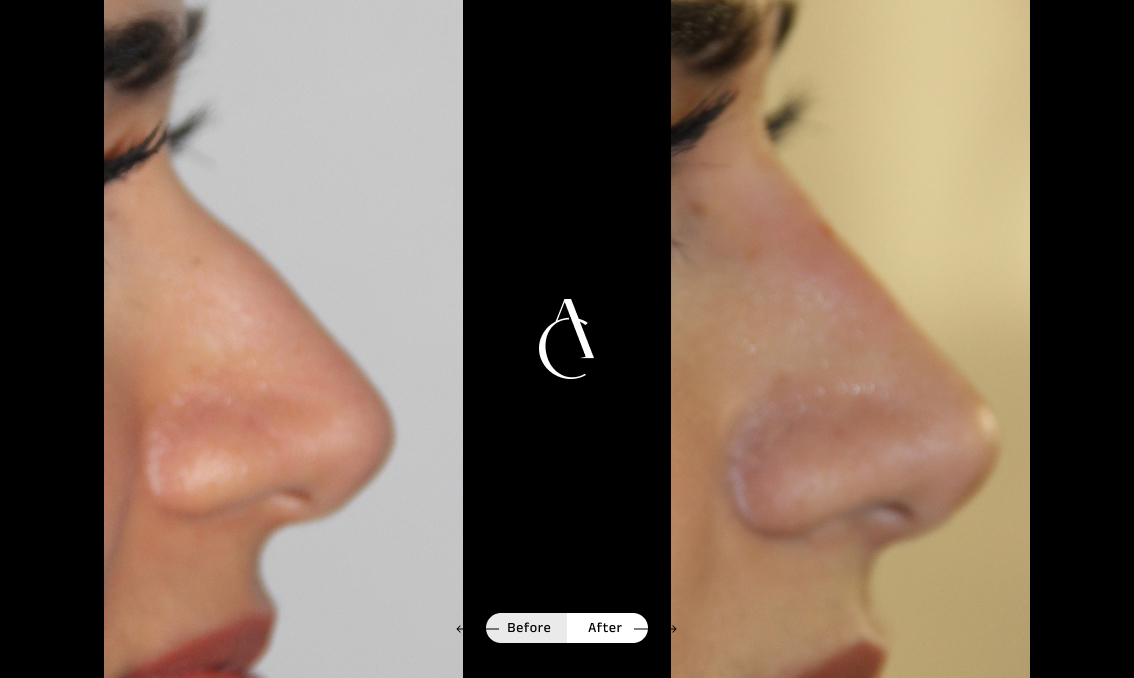
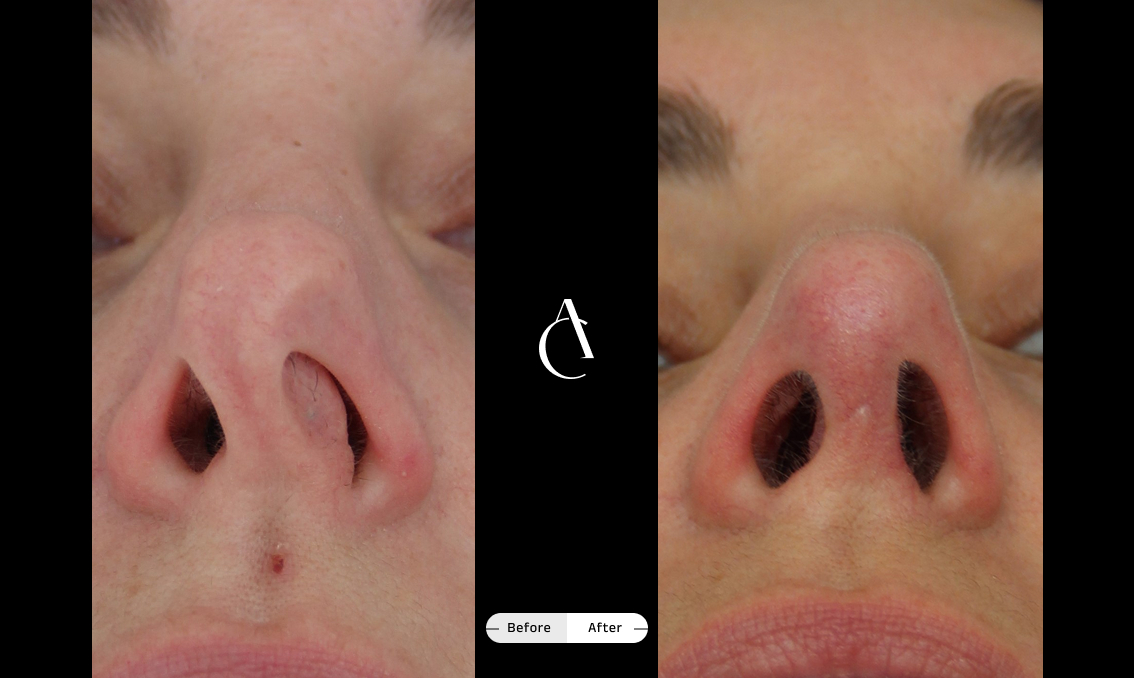
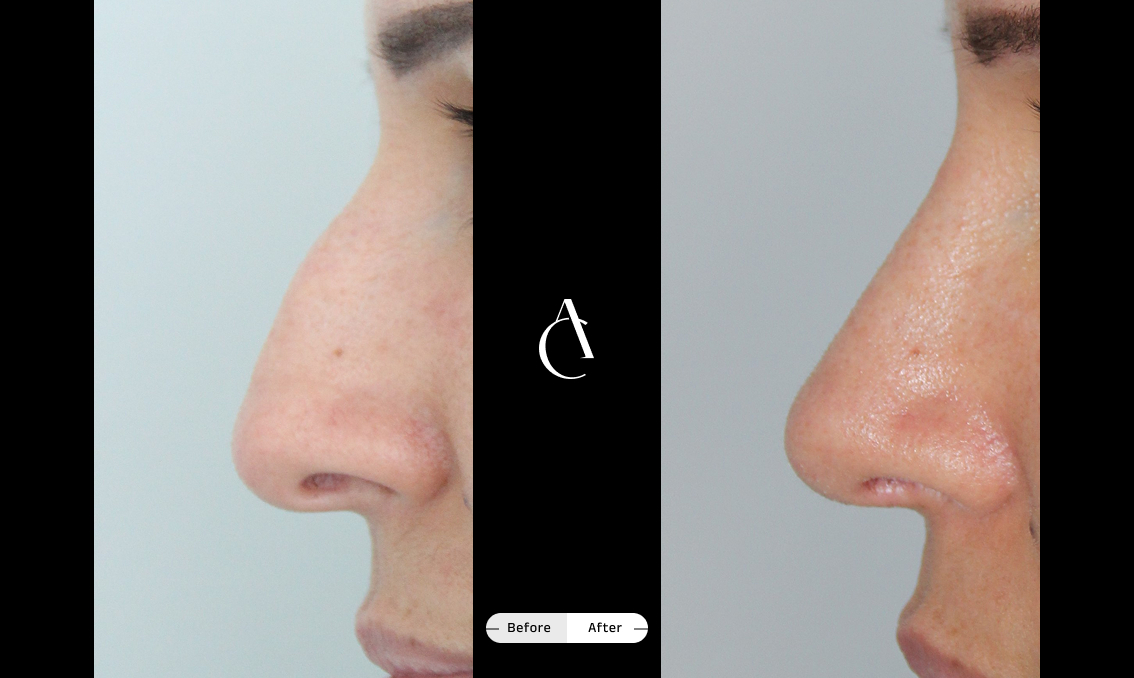
While it can feel as though the outcome of your surgery is out of your hands, it’s all about prevention. The most important step is choosing the right surgeon. Look for a facial plastic surgeon with extensive rhinoplasty experience, before and after examples and transparent discussions about the risks.
A thorough initial consultation is essential before committing to this surgery. This should include a functional assessment and a discussion of your goals, and you should leave with a clear picture of what is realistically achievable.
Following your surgeon’s aftercare instructions closely is equally important. Avoid smoking, alcohol, strenuous activity and any pressure or trauma to your nose during the delicate healing process.
Finally, be patient. Swelling can last many months, particularly at the tip of your nose. The final results of your surgery may not be visible for up to a year, and judging the outcome too early often leads to unnecessary worry and dissatisfaction.
Thinking about rhinoplasty?
While rhinoplasty can go wrong, the odds are strongly in your favour when the procedure is planned carefully and performed by an experienced specialist. Book a consultation with Dr Cuno for a personalised assessment, honest guidance and a treatment plan designed to minimise risk and maximise long-term results.