
How long after rhinoplasty can you smoke?
Most surgeons strongly advise avoiding smoking for at least 3 or 4 weeks after your rhinoplasty surgery, and some even suggest a longer break of 6 weeks or more to give your nose a chance to heal properly.
The first two weeks after surgery are the highest-risk period, and smoking at this stage can dramatically increase your chances of infection, poor wound healing, skin damage and even tissue loss. That’s why many surgeons will insist that you avoid nicotine completely, and may even delay your surgery if you’re unable to stop smoking beforehand.
This timing is critical due to the nature of the healing process, which looks roughly like this:
- Inflammation – first 1 to 2 weeks: this is the most critical phase, and smoking at this time is particularly dangerous because nicotine impairs blood flow, which is essential for reducing swelling, preventing infection and kickstarting tissue repair.
- Regeneration – weeks 2 to 4: this is when new blood vessels form and the delicate tissues in your nose begin to strengthen. Nicotine can severely slow this process.
- Remodelling – weeks to months: your nose will continue to refine into its new shape, both internally and externally. Smoking can prolong swelling and negatively affect scar quality.
Can you vape after rhinoplasty, or is it just as bad?
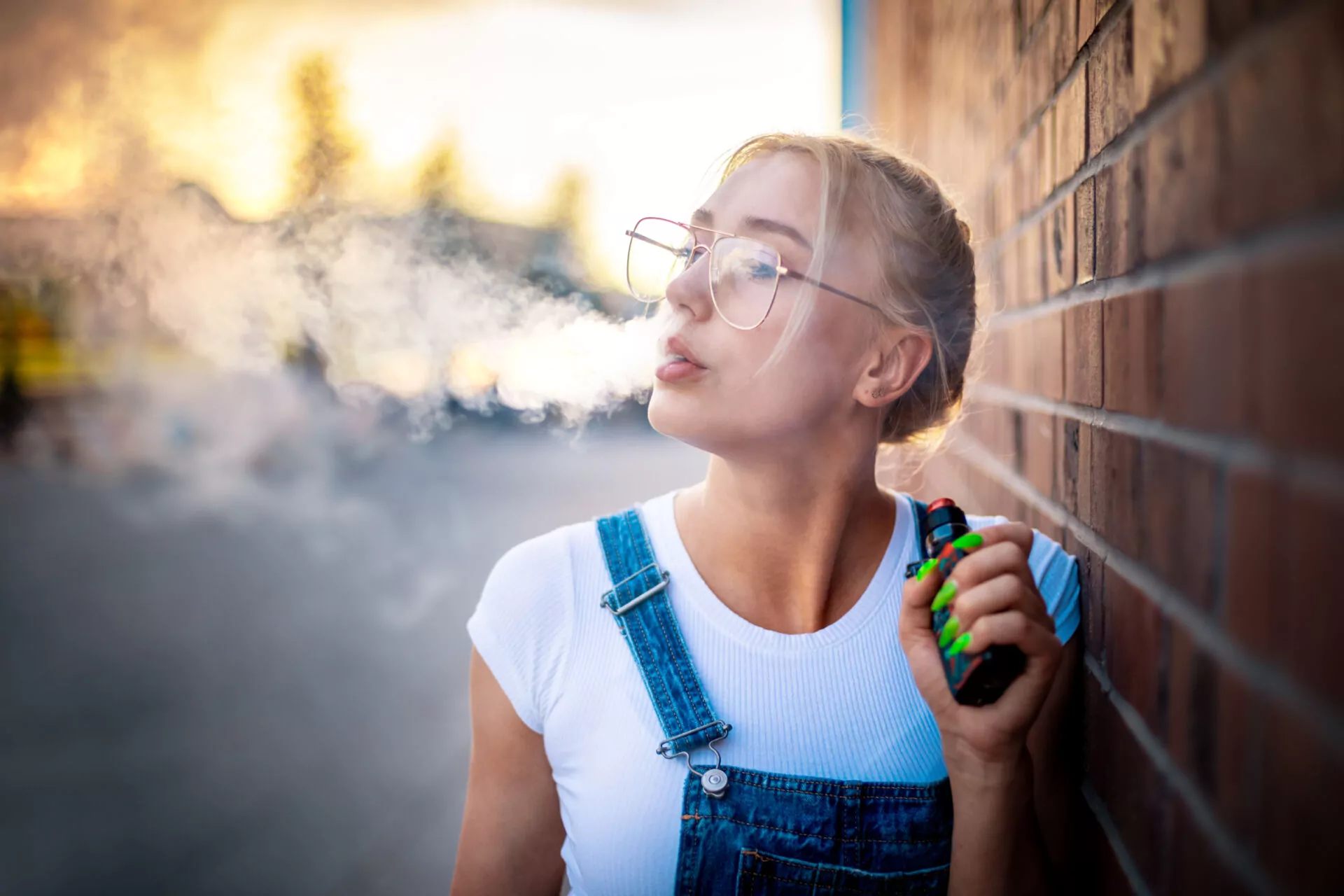
Although vaping is often considered a ‘safer’ alternative to smoking, it carries many of the same risks after rhinoplasty surgery. That’s especially true if it contains nicotine, which causes vasoconstriction – narrowing of the blood vessels. This reduces the amount of oxygen and nutrients that can reach the tissues in your nose, which may delay healing, increase scarring and put you at greater risk of infection.
However, it’s important to remember that even vapes that don’t contain nicotine still aren’t safe to use during your early recovery period. The heat, inhalation pressure and chemical additives can all irritate the lining of your nose, as well as making swelling worse and disrupting fragile internal stitches or grafts. What’s more, inhaling warm vapour also dries your nasal passages, which are already sensitive after surgery.
Does it matter what type of tobacco or substance you smoke?
All forms of smoking carry risks after rhinoplasty surgery and you should avoid them. These include:
- Cigarettes
- Cigars
- Shisha or hookah
- Marijuana (with or without tobacco)
- Vapes and e-cigarettes
Don’t be fooled by labels such as “natural” or “organic”, either; they’re just as harmful. The problem isn’t just the smoke itself, but the combined effects of nicotine, carbon monoxide and toxins on circulation and inflammation. Smoking after a nose job increases your risk of:
- Prolonged or uneven swelling
- Poor or widened scars
- Infection
- Skin or tissue damage
- Compromised grafts
- Unsatisfactory cosmetic results
- Needing revision surgery
Your nose has a delicate blood supply, particularly when it’s undergone surgery. That makes it especially vulnerable to the effects of smoking compared to other parts of your body.
Images source: Envato
What if you smoked before your rhinoplasty?
Smoking before your rhinoplasty surgery is just as relevant as smoking during your recovery phase. If you smoke regularly, you may already suffer from reduced circulation, which can affect both surgery and recovery. This can mean a number of potential problems, including:
- Impaired healing from day one due to less oxygen reaching your nasal tissues
- Increased risks with anaesthesia, including breathing complications
- Higher chance of infection and delayed recovery
You may therefore be advised to stop smoking at least 2 to 3 weeks before surgery, if not longer. It’s vital to be honest with your surgeon about your smoking history, as it allows them to plan appropriately and do what they can to reduce risks.
How to reduce smoking risks after nose surgery
Quitting smoking entirely, even for a few weeks, can feel overwhelming, but it makes a huge difference to your healing and results. With that in mind:
- Quit smoking and vaping before and after surgery – ideally for several weeks
- Avoid all forms of nicotine – that includes patches or gum, unless you’ve had the ok from your surgeon
- Stay well hydrated – dehydration worsens swelling and dries out your nasal passages
- Follow an anti-inflammatory diet – choose foods that are rich in protein, as well as fruits, vegetables and healthy fats
- Avoid smoky environments – even second-hand smoke is harmful during your early recovery
Your surgeon may allow you to use nicotine replacement therapy, but never substitute smoking with patches or gum without their approval.
Summary: prioritise your healing, not the habit
Smoking and vaping after rhinoplasty significantly slows down healing, increasing your risk of complications and potentially impacting both the appearance and function of your ‘new’ nose. The safest approach is to avoid smoking for at least 3 or 4 weeks, being sure to cut out nicotine entirely in the first two weeks. If in doubt, always follow your surgeon’s personalised advice. Your recovery, and the results of your surgery, depend on it.
If you’d like to get some tailored guidance about your recovery plan, or you’re still at the stage where you’re considering rhinoplasty surgery, book a consultation with Dr. Cuno today to understand the safest approach for your lifestyle and goals.