
Ultrasonic Rhinoplasty
Some preservation techniques are older techniques that have recently regained popularity due to technique refinements and improved outcomes.

Common concerns ultrasonic rhinoplasty can address
Ultrasonic rhinoplasty allows for precise bone reshaping and preservation of the soft tissues by using piezoelectric instrumentation instead of osteotomes. In this sense, “ultrasonic rhinoplasty” has become a symbol of preservation techniques used in rhinoplasty. However, ultrasonic rhinoplasty is a surgical instrument that is only applied to the bone and not to the cartilage (which represents most of the nose).
A central goal of preservation rhinoplasty in the bigger sense is to maintain the integrity of the nasal dorsum, as with the push-down or let-down techniques, where the hump is left intact but the nose is set back in a telescopic manner.
Preservation also means dissecting in correct anatomical planes and preserving or reconstructing natural ligaments and soft tissue attachments. This may help reduce postoperative swelling and maintain the nose’s natural support structures.
These principles help improve healing and preserve the natural anatomy of the nose as much as possible, especially in thin-skinned patients, where classical hump resection of big humps is at higher risk for showing dorsal irregularities.
So, piezoelectric instrumentation (the use of ultrasound for cutting bone) is not beneficial for every rhinoplasty case and may increase the duration, the cost and extent of dissection necessary for the procedure.
Why choose Dr Cuno’s clinic for your ultrasonic nose surgery?
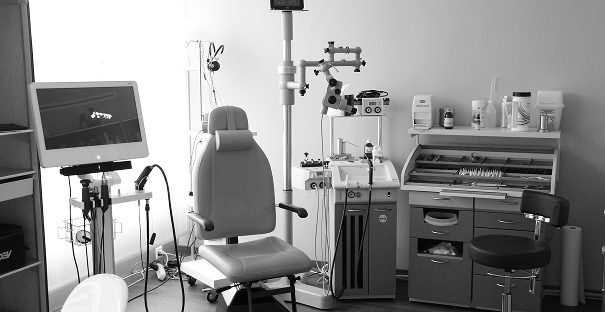
Most of our rhinoplasties, primary or revision cases, now try to incorporate principles of preservation and we try to minimize the use of grafting. It is important to note that not every technique is suitable for every patient. Further, long-term outcomes of preservation rhinoplasty are still being studied, although early results are encouraging.
On every rhinoplasty case we use :
- Fine rasps and osteotomes: Enable controlled and delicate bone sculpting.
- Endoscopic tools or fiber-optic lighting systems: Enhance visibility, particularly in closed (endonasal) approaches.
- Custom-made nasal spreaders and retractors: Minimize trauma to surrounding tissues.
- Delicate scissors and forceps: Allow precise manipulation of cartilage and ligaments without causing tearing.
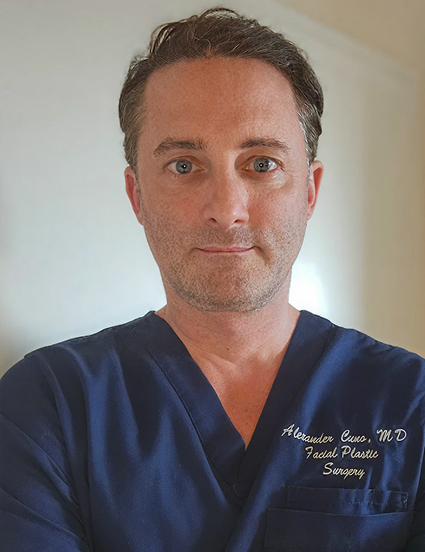
The first step is a personalized consultation focused on your breathing concerns– Book your appointment for expert advice and clear, honest guidance.

Make an appointment
Have questions? Contact our specialists
Our medical staff is available to answer your questions and help you understand whether ultrasonic rhinoplasty is right for you.

Get in touch today!
Other procedures you may be interested in
rhinoplasty
rhinoplasty
nose surgery
rhinoplasty
Chin augmentation
Ultrasonic Rhinoplasty