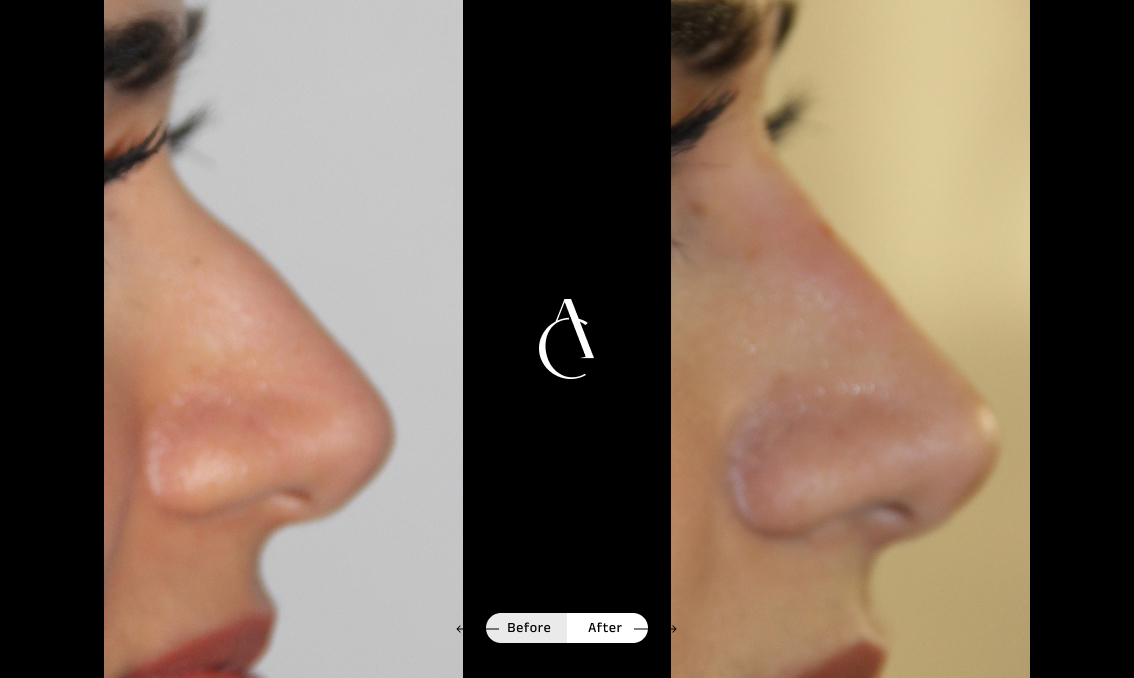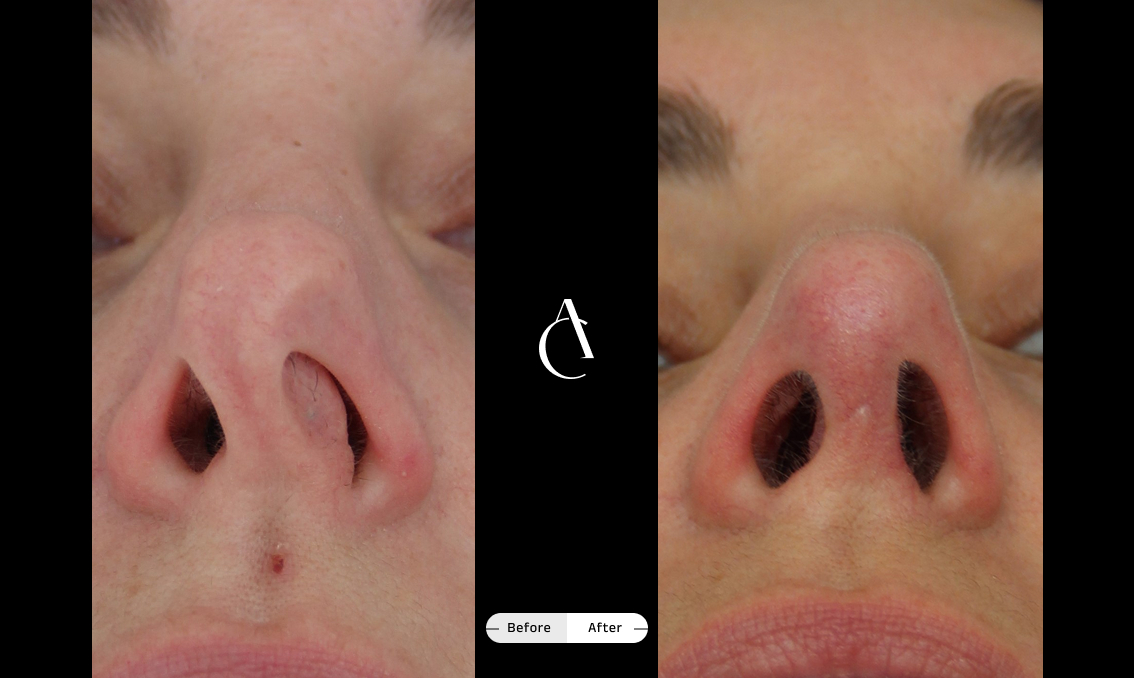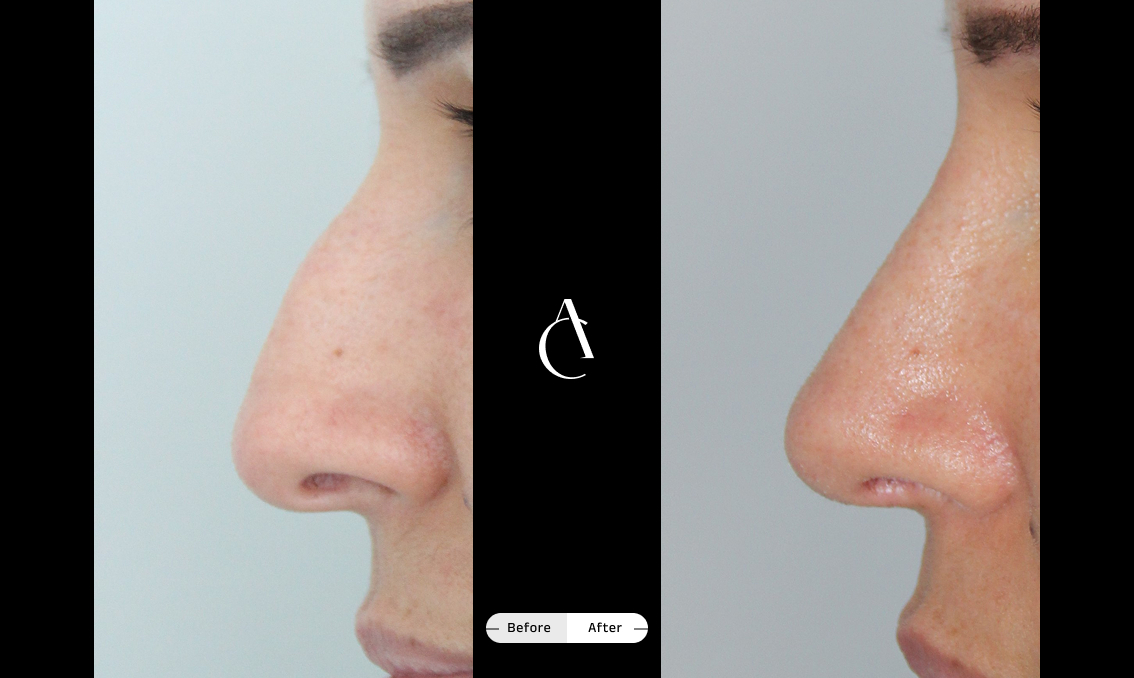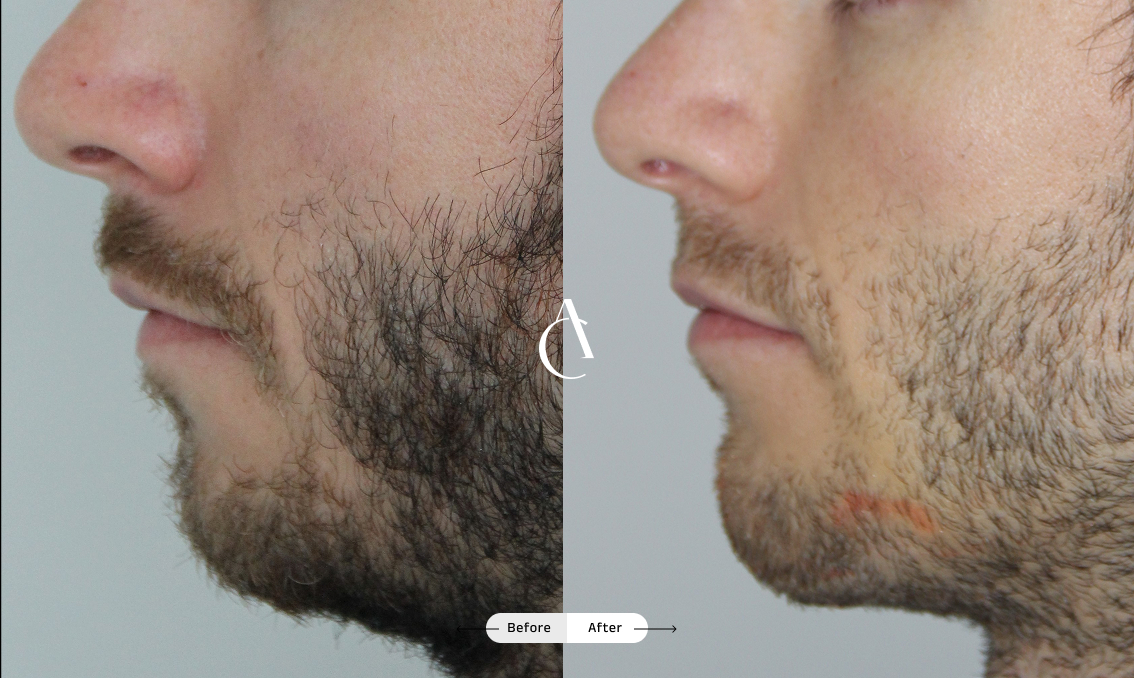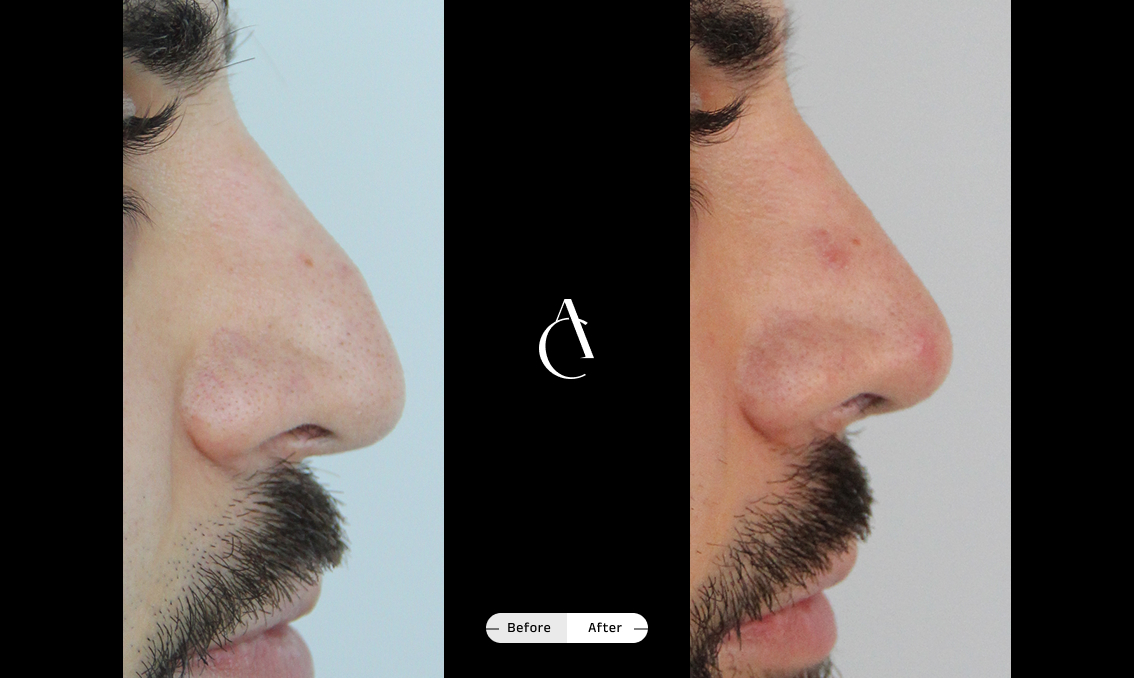

But while you’re likely to be thinking mostly about the results of your surgery, there’s the recovery period to go through before you can enjoy the more refined shape, boosted confidence or improved breathing that this surgery can bring about.
This requires some patience, as the results will reveal themselves gradually over a period of up to a year or more. In this article we’re going to take you through what to expect in the aftermath of your procedure so that you can embark on your rhinoplasty journey from an informed perspective.
Rhinoplasty healing stages: what to expect week by week
Everyone’s different, so your own recovery journey may not look exactly the same as someone else who’s undergone rhinoplasty. However, most patients follow a similar recovery pattern, and here’s a breakdown of what you can typically expect to happen at each stage of the healing process.
Week 1: bruising, splints and swelling
There’s no getting away from the fact that week 1 after surgery is the most challenging. Most patients describe a feeling of congestion and pressure, like a heavy cold, rather than being in pain. However, rest assured that if you do experience any pain you can manage it with painkillers.
You can expect some swelling and bruising around your cheeks and eyes, which will be at its height around two to three days after surgery before gradually subsiding. This can look dramatic, but don’t worry – it should have disappeared within around seven to ten days.
You’ll have a protective splint over your nose to keep it safe from any accidental bumps, and sometimes also some internal packing or supportive splints to keep everything stable. By the end of the first week, the external splint is removed along with any stitches, so you’ll be able to see the initial shape of your new nose for the first time.
Weeks 2 to 3: major swelling subsides
Great news! Most patients notice rapid improvement in weeks two and three after surgery. During this time, the bruising on your face should fade significantly, along with most of the swelling around your eyes. Any dissolvable internal stitches will disappear, and while your nose will still appear a little ‘puffy’, it will be starting to look more refined by now. By week two, most patients are happy to return to work or school.
1 to 3 months: subtle swelling and sensitivity
This stage requires patience, because although your nose will be well on the road to recovery, you’ll likely notice some subtle but persistent swelling – particularly at the tip of your nose. This may be more noticeable first thing in the morning, or after you’ve been doing something that involves being physically active.
Your nose may also feel more sensitive, potentially with a tingly feeling – or it may feel stiff and numb. While you’ll be able to resume most of your daily activities (except for strenuous exercise and heavy contact sports, which we’ve talked about in this guide to exercising after rhinoplasty), it’s important that you continue to avoid anything that risks trauma to your healing nose. That includes wearing glasses that sit on the bridge of your nose.
6 to 12 months: the final shape settles
Longer-term, your rhinoplasty healing process will become more about refinement. As any residual swelling slowly subsides, you’ll usually find that the tip of your nose is the last part to slim down to its final state. However, scar tissue within your nose will continue to change, and although most patients can enjoy the final outcome of their surgery after a year, it’s still possible that minor changes may continue for up to two years after surgery if you’ve had a complex revision rhinoplasty.
How long does it take for a nose job to heal completely?
One of the most common questions Dr. Cuno gets asked here at his clinic in Geneva is “how long does rhinoplasty take to heal?” The answer is “it depends”. There are two phases of healing – functional healing, when you feel “normal” again, and aesthetic healing, when your nose looks refined and its new shape is apparent. Here’s what you can expect at each of these healing stages:
- Functional healing: this happens at around two to three weeks into the recovery period, and it’s when you should be able to go back to work, breathe comfortably and restart non-strenuous day-to-day activities.
- Aesthetic healing: this is when your nose is fully healed, with visible swelling usually mostly gone by three to four months, but subtle changes potentially continuing for up to a year or more.
The difference between these two healing phases is that while you may feel comfortable enough with your appearance at two weeks to go out and about, and look ‘normal’ to friends by a few months, it will be at least 12 months after your rhinoplasty surgery that you see your finished results.
How delicate is your nose after rhinoplasty?
It won’t come as much of a surprise that your nose is in a vulnerable state after rhinoplasty surgery, so you’ll need to take extra good care of it. Even the lightest pressure on your nose can impact the healing process during the first few weeks, so you’ll need to be careful when sleeping – lying on your stomach or side can put pressure on the delicate bones and cartilage in your healing nose.
It’s important to make sure you avoid situations where your nose could accidentally get bumped into by children, pets or sports, as this could jeopardise your results. You’ll also need to wait for the go-ahead from your surgeon before wearing glasses again – usually around six to eight weeks after surgery – as these shouldn’t rest on your nose while it’s in the early stages of healing.
The good news is that your nose will usually be much stronger by around three to four months after surgery, but you should work on the assumption that it will be 12 months or more before you achieve complete structural stability and full tissue healing.
When can you touch or rub your nose again?
If you’re wondering when it’s safe to touch your nose again after rhinoplasty surgery, the main thing is to wait until your splint has been removed at the end of week one or two. At this point, it’s safe to touch your nose lightly, such as gentle cleaning with saline spray and lightly patting it dry.
However, it’s important to avoid rubbing or pressing your nose, blowing your nose or wearing tight glasses, as these can all make swelling worse and impact how quickly your nose heals after surgery. What’s more, too much pressure too early can lead to the formation of internal scar tissue, which may result in a distorted finished result that requires a revision rhinoplasty to correct.
How to prevent scar tissue after rhinoplasty
It’s normal and natural for scar tissue to form during the healing process, but what you don’t want is excessive scarring – known as fibrosis – as this can affect the outcome of your surgery. Here are some tips to help you lessen the risk:
- No unnecessary pressure – make sure you don’t accidentally bump your nose, and don’t press or massage it unless your surgeon advises you to
- Attend post-op consultations – don’t miss your appointments with your surgeon, as they can treat internal scarring with steroid injections or other minor interventions if it’s detected early enough
- Treat keloid risk early – let your surgeon know if you have a history of keloids (thick raised scars), as they may be able to take preventative steps
- Stay healthy – lifestyle choices such as eating nutritious food, avoiding smoking and staying hydrated will help to keep inflammation down and support proper healing

Images source: Freepik
Rhinoplasty surgery recovery tips
To help your recovery process go smoothly after rhinoplasty, follow these dos and don’ts:
- DO keep your head elevated, even when you’re sleeping, for at least one to two weeks
- DON’T blow your nose – use saline spray for congestion and follow the tips in our article on when it’s safe to blow your nose after rhinoplasty
- DO use cold compresses around (but not on) your nose – this should help reduce swelling in the first few days
- DON’T take hot showers or baths, as these will increase swelling
- DO wear loose, front-opening clothing to avoid pulling tops and jumpers over your face
- DON’T return to the gym until your surgeon says it’s ok to do so (usually around four to six weeks after surgery)
Making small changes like these can significantly reduce the chances of complications and make the recovery process more comfortable for you.
Is it possible to speed up rhinoplasty recovery?
Recovery from surgery is a waiting game and requires patience, as there are no shortcuts. However, you can give your body the best possible chance of a speedy recovery by taking these steps:
- Eat anti-inflammatory foods – such as berries, leafy greens and oily fish
- Stay hydrated – this helps keep tissues supple and boosts circulation
- Avoid alcohol, smoking and sun exposure – these can delay healing and worsen swelling
- Get plenty of rest and sleep – this is particularly important in the first two weeks
- Closely follow your post-op instructions, from saline sprays to avoiding strenuous exercise
When to resume normal activities after rhinoplasty
It’s important to ease gradually back into your normal activities after surgery. Here’s a timeline of when you can expect to resume different aspects of your life:
- Work or school: usually after one or two weeks, if bruising has subsided and you feel comfortable
- Exercise: light walking is fine after a few days, but no strenuous workouts for four to six weeks and only when you have the clearance of your surgeon
- Wearing glasses: usually not for at least six weeks, but you may be able to use lightweight frames or tape supports
- Flying or travel: it’s safe to do this after two to three weeks, but bear in mind that cabin pressure may worsen swelling
- Makeup/skincare: avoid this until sutures are removed and incisions are healed, which usually takes around two weeks. Resume with gentle, non-irritating skincare
Potential complications during rhinoplasty recovery
Although rhinoplasty is generally safe, there are always possible risks with any surgery and post-op recovery. Some of the issues you could potentially encounter include:
- Excess scar tissue inside your nose – this can lead to stiffness or asymmetry
- Infection – this is rare, but would require antibiotics
- Nasal obstruction – this can happen due to swelling or internal scarring
- Graft shifting – this is where cartilage or implants shift from where they should be
- Asymmetry – this may improve as the swelling subsides, but could also require revision in some cases
If you’re ever unsure about anything, or something doesn’t feel right, contact your surgeon as soon as possible to help minimise these risks.

Images source: Freepik
Summary: healing takes time – trust the process
So, how long does rhinoplasty recovery really take? Well, within three weeks you should be feeling normal again and the bruising and swelling should have subsided. Within the first three months you’ll be able to do most activities again, but you may notice some subtle swelling and stiffness persist. A year after your surgery, you’ll be fully healed and get to enjoy the final results of your surgery.
Recovery from any surgery takes patience, but following the tips in this article and making sure you stick to your surgeon’s instructions will help you heal. If you’re exploring the possibility of rhinoplasty surgery, the first step is a personal consultation with Dr. Cuno at his clinic here in Geneva. Your path to natural, balanced results starts here: book your appointment with Dr. Cuno today.
Images source: Freepik